
Anchorage Winter Guide 2026: Aurora, Skiing & What to Expect
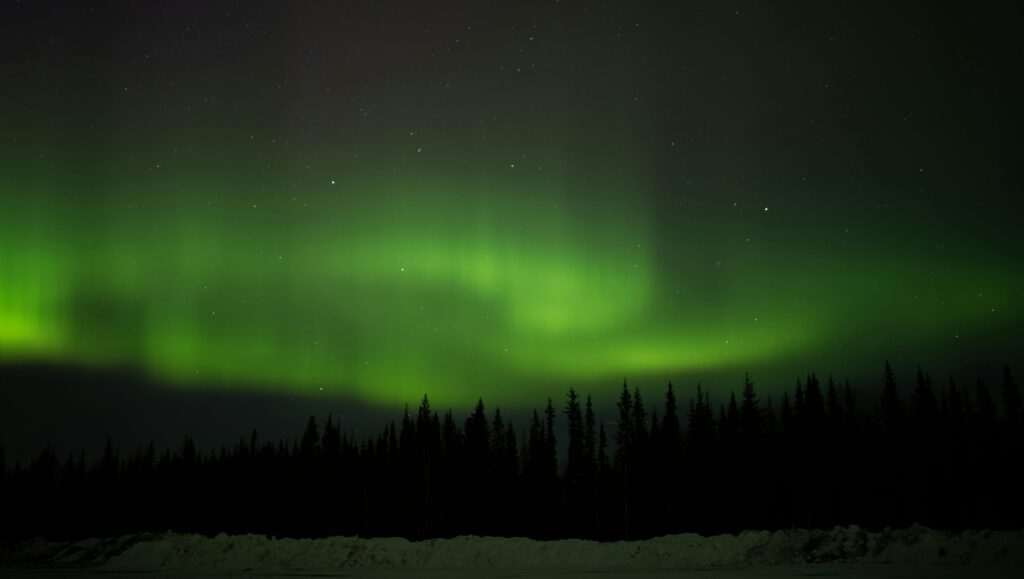
Anchorage in winter is not a compromise version of an Alaska trip. It is a different trip entirely — darker, quieter, colder, and in its own way more Alaskan than the tourist-heavy summer months. The aurora borealis appears overhead two or three nights a week from October through March. Snow stays on the ground from October to April. The ski mountain forty minutes from downtown is world-class. And the restaurants, bars, and cultural institutions that serve a city of 300,000 year-round residents operate at full strength regardless of what the sun is doing — which, in January, is very little. Here is what to actually do, expect, and pack for a winter visit to Anchorage.
What the Darkness Actually Looks Like
Anchorage bottoms out at 5 hours and 28 minutes of daylight on December 21. Sunrise arrives around 10:15 AM; sunset is at 3:42 PM. This is the reality, and there is no use pretending it is not significant. The practical effect on a visitor: you need to front-load outdoor activities into the late-morning and early-afternoon window, and you will be doing dinner, museums, and bars in complete darkness at 5 PM. Most visitors find this atmospheric after a day or two of adjustment, particularly once they realize that darkness is exactly what makes the aurora visible.
By February, daylight is recovering quickly — 9 hours by month’s end — and March arrives with 12 hours. A late-winter trip (February–March) gives you the full winter experience plus significantly more usable daylight. January is the darkest and most committed option; it is also when you are most likely to see the aurora and least likely to share the trail with anyone.
Aurora Borealis
The aurora is the primary reason many visitors choose Alaska in winter. Anchorage itself has too much light pollution for optimal viewing, but the Eagle River valley northeast of the city — 20 minutes by car — provides dark-sky conditions on clear nights. The Knik River corridor along the Glenn Highway (the same road that leads to Matanuska Glacier in summer) is another standard destination. Chugach State Park trailheads on the south side of the city also work when the sky is clear and geomagnetic activity is high.
Practical aurora advice: download the SpaceWeatherLive or My Aurora Forecast apps to track the Kp index. A Kp of 3 is visible from dark suburban locations around Anchorage; Kp 5 or higher will show from the city itself. The forecast window is typically 1–2 hours, so flexibility in your evening plans matters. Clear cold nights in January and February are your best bet — cloudy periods can ground viewing for days at a time. Do not book a single-night Anchorage trip specifically for the aurora; build in three or four nights and treat good viewing as a bonus on top of the rest of the trip.
Skiing at Alyeska
The 40-minute drive south on the Seward Highway lands you at Alyeska Resort in Girdwood — one of the best destination ski resorts in the United States, largely undiscovered by the Lower 48 ski crowd. The mountain rises 3,939 vertical feet from base to summit, with 76 named runs and terrain ranging from groomed groomers for beginners to steep chutes and tree runs for experts. Annual snowfall averages 669 inches. The ski season typically runs December through April, with the deepest snowpack accumulating in February and March.
Alyeska operates a gondola (the same tram that runs in summer) for sightseeing and access to the upper mountain lodge. For visitors staying in Anchorage, a day trip to Alyeska is the standard structure: drive down, ski 9 AM to 3 PM, drive back. Lift tickets run $80–$110/day; rentals available at the resort base. Weekdays are significantly less crowded than weekends, when Anchorage residents fill the mountain.
Nordic Skiing and Snowshoeing in the City
Anchorage has more groomed Nordic ski trails within city limits than almost any city in North America. The Hillside Park Nordic Skiing Trails system offers over 45 km of groomed trails ranging from flat beginner loops to hilly intermediate tracks through spruce forest. Trails are lit for night skiing until 10 PM on most weeknights, which means you can ski after dark on the longer January evenings without any loss of experience. Rental equipment is available at local ski shops; the trails are free to use. Snowshoeing is also permitted on designated routes.
The Chester Creek Trail and the Tony Knowles Coastal Trail transform into cross-country ski routes after consistent snow accumulates, typically by late November. The coastal trail offers winter views of Cook Inlet and the Alaska Range on clear days, with the added possibility of seeing beluga whales that occasionally appear in the inlet even in winter.
Fur Rendezvous (Fur Rondy)
Anchorage Fur Rendezvous, known universally as Fur Rondy, is Alaska’s largest winter festival and has run continuously since 1935. The February festival spans ten days and centers on downtown Anchorage, with events ranging from the Running of the Reindeer (exactly what it sounds like — reindeer chasing participants down 4th Avenue) to the World Championship Sled Dog Races on the city streets, an outdoor carnival on the Delaney Park Strip, and the Grand Parade. Fur Rondy is the event that most clearly shows what Anchorage is as a city: not a frontier outpost, but a genuine northern metropolis that celebrates winter rather than enduring it. Book accommodations early for Fur Rondy weekend — the city fills.
Indoor Winter Culture
Anchorage Museum
The Anchorage Museum is a genuine world-class institution in a city that many visitors underestimate. The permanent collection spans Alaska Native art and culture, Arctic science, and the history of the region from prehistoric settlement through the oil boom. The Smithsonian Arctic Studies Center, a permanent partnership installation, contains one of the most significant collections of Alaska Native artifacts and cultural objects anywhere outside Washington, D.C. Winter visiting is unhurried — no tour-bus crowds, full access to everything — and the museum’s café is a solid lunch stop. Open Tuesday through Sunday.
Alaska Native Heritage Center
The Alaska Native Heritage Center operates year-round and offers both indoor exhibits and outdoor demonstrations that continue even in winter conditions. The center represents all eleven Alaska Native cultural groups with demonstrations of traditional arts, crafts, and storytelling. Winter visits have a different character than summer — fewer visitors, more intimate interactions with staff and artists — and are particularly valuable for anyone interested in understanding Alaska beyond its landscape. Located 20 minutes from downtown Anchorage.
Dining and the Bar Scene
Winter is when Anchorage’s restaurant scene earns its keep for locals. Glacier Brewhouse (downtown) runs its full dinner menu year-round, with wood-fired entrées and the production brewery visible from the dining room. 49th State Brewing closes its rooftop deck but keeps the main floor running through winter. Midnight Sun Brewing in South Anchorage — Anchorage’s most adventurous brewer, specializing in barrel-aged stouts and sours — is actually best experienced in winter, when a Obliteration Imperial Stout or a barrel-aged Sozzled variant makes obvious sense in the cold.
Temperatures and What to Pack
Anchorage averages highs in the low-to-mid 20s°F (around -5°C) from December through February, with lows near 10°F (-12°C). Wind chill off Cook Inlet can make downtown feel colder than the thermometer reads. Temperatures below -10°F (-23°C) occur a few times per winter but are not typical sustained conditions.
Essential winter gear for a visitor:
- Insulated waterproof boots rated to at least -20°F (-29°C). This is not optional. Cold feet end winter days faster than anything else. Sorel, Baffin, and similar brands are available at local REI and sporting goods stores if you need to purchase locally.
- Heavyweight base layers. Merino wool or synthetic moisture-wicking fabric. No cotton against skin.
- Down or synthetic-fill parka. Mid-thigh or longer; hood essential.
- Hat covering ears, neck gaiter, warm gloves with liners.
- Traction devices (Yaktrax or microspikes) for icy sidewalks — Anchorage streets and trails ice over and are not always sanded promptly.
- Sunglasses. Snow reflection in February and March is intense even on overcast days.
Accommodation and Flight Pricing
Winter is the shoulder/off-season for Alaska tourism, and rates reflect it. Flights from Seattle, Los Angeles, and the Lower 48 hub cities to Ted Stevens Anchorage International Airport run 30–50% lower in January and February than in July. Hotel rates at downtown properties like the Sheraton Anchorage and the DoubleTree Downtown drop significantly off-peak; last-minute winter availability is generally good. If Fur Rondy is your target, book at least 6–8 weeks ahead.
For Alyeska day trips, staying downtown is practical — the Seward Highway drive is straightforward and well-maintained in winter conditions (drive to road conditions and carry an emergency kit, standard Alaska winter practice). Girdwood lodging at the Hotel Alyeska is available for ski-in-ski-out convenience at a premium.
What Is Closed in Winter
Summer-specific operations that shut down fully by October: float plane tours to remote lodges, most rafting operators, Kenai Fjords boat tours, Matanuska Glacier guided walks, and the majority of wildlife viewing boat tours. The Alyeska Aerial Tram continues operating for sightseeing, and helicopter flightseeing over the Chugach peaks runs year-round weather permitting. Many lodges and outfitter operations take winter reservations for the following summer season but have no on-ground winter programming.
A winter Anchorage trip requires a different mental orientation than the summer version. Stop chasing long days and start chasing dark skies. The aurora, the silence on a lit ski trail at 8 PM, the uncrowded museum galleries, and the genuine local warmth of the restaurant scene in February are the reasons to come. They are sufficient reasons.
Featured photo by John De Leon on Pexels.

No comments yet.