
Alaska Summer Hiking Trail Difficulty Ratings Guide
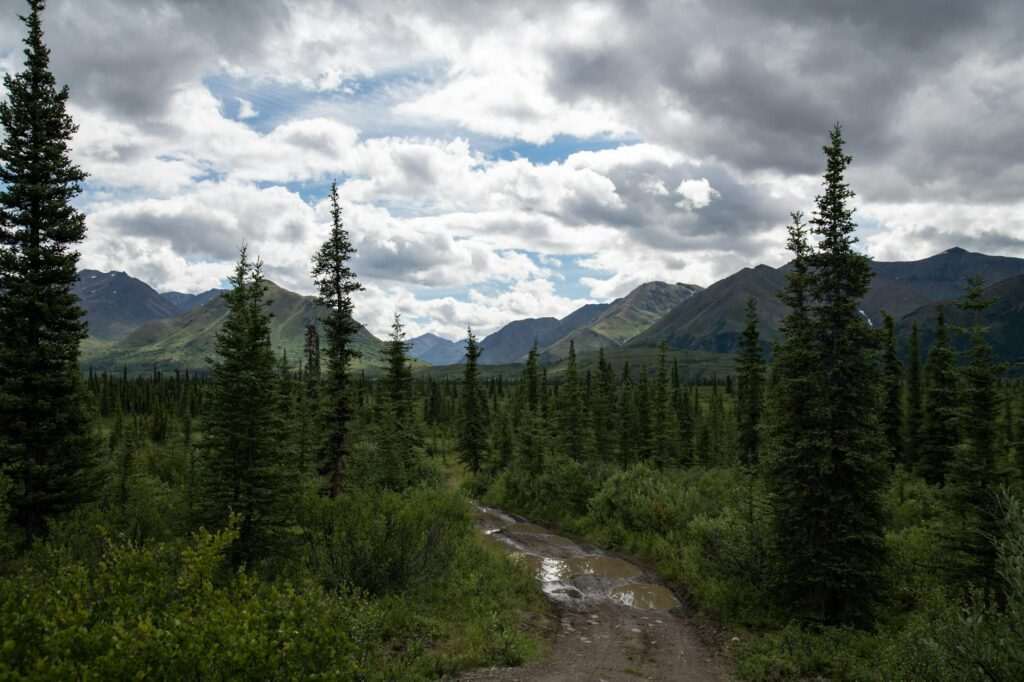
Planning your Alaska summer hiking adventure? Understanding trail difficulty ratings isn’t just helpful—it’s essential for a safe and enjoyable experience in the Last Frontier. Alaska’s hiking terrain challenges even experienced hikers with unpredictable weather, wildlife encounters, and rugged landscapes that are “a step or three above what you’ll find in the Lower 48 states.”
This comprehensive guide breaks down Alaska’s hiking difficulty system, from beginner-friendly nature walks to advanced backcountry expeditions. You’ll learn how to choose trails that match your skill level, what to expect at each difficulty rating, and how to prepare for Alaska’s unique challenges.
Understanding Alaska’s Trail Difficulty System
Alaska uses a specialized boot rating system that accounts for the state’s extreme conditions and challenging terrain:
- 1 Boot: Basecamp/dayhike easy
- 2 Boots: Easier backpacking trip
- 3 Boots: Intermediate level trip
- 4 Boots: Intermediate to advanced backpacking
- 5 Boots: Advanced challenging trips
This system differs significantly from Lower 48 ratings because Alaska’s wilderness presents unique challenges: rapid weather changes, wildlife encounters, unmarked trails, and limited rescue access.
Beginner Trails (1-2 Boots): Perfect Starting Points
What Makes a Trail Beginner-Friendly
Beginner Alaska trails typically feature 3-7 miles distance, 1,500 feet or less elevation gain, and well-maintained paths. These trails offer spectacular scenery without requiring advanced mountaineering skills.
Top Beginner Trail Examples
Flattop Mountain Observation Point at Glen Alps Trailhead offers an easy, paved quarter-mile loop with stunning views of Anchorage, the Alaska Range, and Cook Inlet. It’s perfect for families wanting that Instagram-worthy Alaska photo.
Eagle River Nature Center provides an easy two-thirds mile loop through Alaska’s wilderness. The visitor center offers educational displays about local wildlife and plants, making it ideal for first-time Alaska hikers.
Beginner Preparation Essentials
Even on easy trails, pack layers for sudden weather changes, bear spray, a map, and emergency whistle. Alaska’s weather can shift from sunny to stormy in minutes. Consider shopping at Big Ray’s for quality Alaska-tested hiking gear before your adventure.
Intermediate Trails (3 Boots): Stepping Up the Challenge
Intermediate Trail Characteristics
These trails span 5-9 miles with up to 4,800 feet of elevation gain. Expect some steep sections, stream crossings, and potentially unmarked portions requiring basic navigation skills.
Notable Intermediate Adventures
Rabbit Lake Trail starts as an easy old road bed before transitioning to singletrack leading to a gorgeous alpine lake. The moderate climb rewards hikers with pristine wilderness views and excellent photography opportunities.
Twin Peaks Trail covers 2.6 miles with 1,800 feet of elevation gain. Above the timberline, you might spot Dall sheep—one of Alaska’s iconic wildlife species that draws visitors from around the world.
The Williwaw Lakes Trail offers an excellent intermediate challenge with comprehensive alpine scenery and proper difficulty assessment for experienced day hikers.
Intermediate Safety Considerations
Stream crossings can be dangerous during snowmelt or heavy rain. Always test water depth with a hiking pole and cross at your widest, shallowest point. Pack waterproof boots and extra socks.
Advanced Trails (4-5 Boots): Expert Territory
Advanced Trail Demands
Advanced Alaska trails feature 7-10 miles distance, up to 4,800+ feet elevation gain, unmaintained paths, and potential glacier crossings. These require excellent physical conditioning, advanced navigation skills, and extensive backcountry experience.
Premier Advanced Challenges
Flattop Mountain Summit (different from the observation point) involves 1,300 feet of elevation gain with steep terrain and scrambling sections. The summit offers 360-degree views but requires sure footing and confidence on loose rock.
Wolverine Peak Trail presents a serious challenge: 4.7 miles with 3,500 feet of elevation gain. This trail tests your endurance and rewards summit climbers with panoramic Chugach Range views.
Crow Pass Trail spans 23.1 miles end-to-end with river crossings, glacier views, and backcountry camping requirements. Most hikers complete this over two days, though just the first four miles provide breathtaking Raven Glacier scenery.
Advanced Preparation Requirements
Carry a Garmin GPS with SOS capability for emergencies—cell service doesn’t exist in most backcountry areas. Pack 35-45 pound packs with overnight gear, emergency shelter, and 2-3 days of food even for day hikes.
Consider guided experiences through Chugach Adventures for your first advanced Alaska hike. Their expertise helps navigate complex terrain safely while learning advanced wilderness skills.
Alaska-Specific Safety Guidelines by Difficulty Level
Universal Alaska Hiking Safety
Make noise to alert bears of your presence—bells or talking loudly work well. Hike in larger groups when possible, as bears typically avoid human groups. Never approach wildlife, even from a distance that seems safe.
Weather changes rapidly in Alaska. Pack rain gear regardless of morning conditions, and turn back if storms approach. Hypothermia can occur even in summer temperatures.
Beginner Safety Focus
Stay on marked trails and inform others of your hiking plans. Carry emergency contacts and estimated return times. Even easy trails can become dangerous if you’re unprepared or injured.
Intermediate Safety Additions
Learn basic first aid and carry a comprehensive kit. Practice stream crossing techniques before attempting Alaska trails. Consider avalanche awareness courses if hiking in shoulder seasons.
Advanced Safety Requirements
Master wilderness first responder skills and carry satellite communication devices. File detailed trip plans with Alaska State Troopers for extended backcountry travel. Practice glacier travel and crevasse rescue techniques for glacier-adjacent trails.
Seasonal Considerations for Summer Hiking
Alaska’s summer hiking season typically runs May through September, but conditions vary dramatically by elevation and location.
Early Summer (May-June): Lower elevation trails accessible, but alpine areas may have snow. Stream levels run high from snowmelt. Mosquitoes emerge in force.
Peak Summer (July-August): All trails generally accessible with best weather windows. Wildflowers bloom at higher elevations. Tourist season peaks, so start early for popular trails.
Late Summer (September): Fall colors begin, weather becomes more unpredictable. Snow can fall at higher elevations. Fewer daylight hours require earlier starts.
Essential Gear by Difficulty Level
All Difficulty Levels
Layered clothing system, waterproof shell, insulating layer, moisture-wicking base layer, sturdy hiking boots, day pack, water (more than you think you need), high-energy snacks, map and compass, bear spray, emergency whistle, first aid kit, and headlamp with extra batteries.
Intermediate Additions
Trekking poles for stability and stream crossings, waterproof boots, extra socks and clothing, detailed topographic maps, basic repair kit (duct tape, multi-tool), emergency bivy or space blanket.
Advanced Requirements
GPS device with SOS capability, overnight gear for emergencies, advanced first aid supplies, rope and basic rescue gear for glacier-adjacent trails, water purification system, camping permits for multi-day trips.
Frequently Asked Questions
How do Alaska difficulty ratings compare to other states?
Alaska trails are generally “a step or three above” Lower 48 difficulty levels due to unpredictable weather, wildlife, and remote locations. A 2-boot Alaska trail might feel like a 3-4 difficulty elsewhere.
What’s the biggest mistake beginners make?
Underestimating Alaska’s weather and wildlife challenges. Even easy trails require bear awareness and weather preparation that might seem excessive for similar trails in other states.
When is the best time to hike in Alaska?
July and August offer the most reliable weather and trail access. June can have snow at higher elevations, while September brings beautiful fall colors but less predictable conditions.
Start Your Alaska Hiking Adventure
Alaska’s hiking trails offer unmatched wilderness experiences, from gentle nature walks to challenging backcountry expeditions. Understanding difficulty ratings helps you choose trails that match your skills while staying safe in this incredible but demanding environment.
Remember: there’s no shame in choosing easier trails while you acclimate to Alaska’s unique conditions. Even beginner trails here offer scenery and wildlife encounters you won’t find anywhere else. Take time to build your Alaska hiking skills gradually—the mountains will be here when you’re ready for bigger challenges.
Start planning your Alaska summer hiking adventure today, and prepare for landscapes that’ll leave you planning your return trip before you even leave.
Featured photo by John De Leon on Pexels.



No comments yet.