
Moose Watching in Anchorage 2026: Where to See Alaska Moose Safely
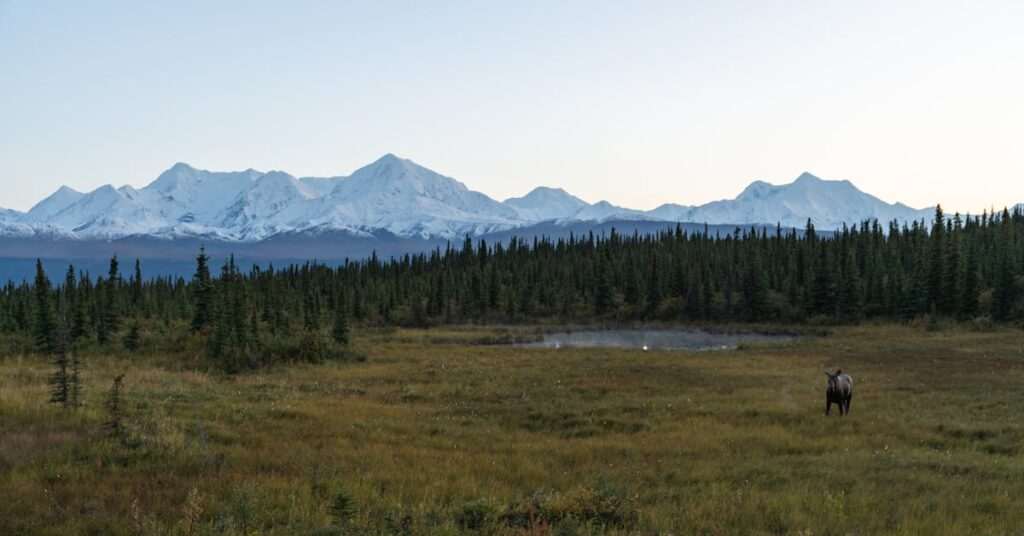
Alaska is famous for bears, salmon, and glaciers — but for most visitors, the wildlife encounter they remember longest is the moose. An estimated 250–350 moose live within Anchorage city limits year-round, making this one of the few cities on Earth where you can genuinely expect to see a 1,000-pound wild animal on your morning walk. Moose graze campus lawns, block bike trails, and browse suburban backyards as casually as white-tailed deer in New England. For visitors, a moose sighting is practically guaranteed with a little patience and the right locations.
This guide covers where to find moose in and around Anchorage, how to watch them safely, what to do if one charges, and seasonal behavior patterns that affect where and when you’re most likely to spot them.
Why Anchorage Is Extraordinary for Moose Watching
Anchorage was built through — and around — prime moose habitat. The city sits at the head of Cook Inlet — also home to Cook Inlet Beluga Whale Viewing opportunities — flanked by wetlands, spruce forest, and birch-willow thickets that are exactly what moose need: dense browse for food, standing water for summer cooling, and shelter from predators. As the city developed, the moose adapted, establishing year-round home ranges within the urban grid rather than retreating into the backcountry.
The result is a city where moose sightings are so routine that locals barely slow their coffee. For visitors, this casualness is part of what makes Anchorage remarkable: you share the city with megafauna. The city itself is the wildlife viewing area.
A Size and Safety Reality Check
Before getting into locations, one point deserves emphasis: moose injure more people in Alaska each year than bears do. A bull moose in fall can weigh 1,400 pounds and stand six feet at the shoulder. Cow moose defending calves are among the most aggressive large animals in North America. The combination of their size, their speed (35 mph when motivated), and their abundance in an urban environment creates genuine hazard for people who treat them like photo props.
Safe moose watching requires maintaining at least 50 feet of distance at all times. Read body language before raising your camera:
- Relaxed moose: Head down, ears forward, moving slowly, feeding. You can watch from a safe distance.
- Alert moose: Head up, ears rotating, watching you. Stop moving, give it space.
- Agitated moose: Ears pinned flat, hackles raised along the back, head low and swinging. Back away immediately — this animal may charge.
Never get between a cow and her calf. Never approach a moose to get a closer photo. If one walks toward you, move behind a solid object — a tree, vehicle, or building — and give it room to pass.
Best Spots for Moose Watching in Anchorage
Westchester Lagoon
Westchester Lagoon, at 15th Avenue and West Northern Lights Boulevard, is the single most reliable moose-watching location in Anchorage. The lagoon is ringed by dense willow and birch thickets — exactly the habitat moose prefer — and the perimeter trail puts you at the edge of that brush at close range. Moose are present here on most days year-round. Dawn and dusk offer the highest activity and best light for photography. The trail is flat, paved in sections, and accessible for all fitness levels. Walk slowly, scan the brush ahead of you before rounding corners, and be prepared for a moose to appear suddenly at arm’s length through the willows.
Kincaid Park
Kincaid Park occupies nearly 1,500 acres of forested land on the western tip of Anchorage. The dense spruce forest, interlaced with birch and willow stands, supports one of the highest moose densities in the city. The park’s network of trails — used by mountain bikers in summer and cross-country skiers in winter — doubles as excellent moose-spotting routes. Morning visits are most productive. The Coastal Trail passes through Kincaid’s southern edge, offering moose viewing alongside Cook Inlet scenery.
Tony Knowles Coastal Trail (Forested Sections)
The 11-mile Tony Knowles Coastal Trail runs from downtown Anchorage through Earthquake Park and along the Cook Inlet shore to Kincaid Park. The sections that pass through spruce and birch forest — particularly between Earthquake Park and Kincaid — are productive moose habitat. Early morning walkers and cyclists frequently encounter moose stepping onto the trail. Keep your speed down and be ready to stop; moose do not reliably yield to cyclists.
Chester Creek Greenbelt Trail
Chester Creek Greenbelt runs east-west through mid-Anchorage, following Chester Creek through a corridor of willow and birch that moose use as a travel route and feeding area. The greenbelt trail is accessible from multiple neighborhood entry points and is popular with dog walkers and joggers — encounters with moose in the willow thickets are common. The trail is flat and easy, making it a good option for families.
University of Alaska Anchorage Campus
The UAA campus, particularly its northern lawns and the adjacent Campbell Creek Greenbelt, is a reliable moose location in spring and early summer. Moose graze the open grassy areas without much concern for foot traffic, making for unusually close — though still maintain your 50-foot rule — viewing opportunities. Spring calves are sometimes visible on campus lawns with their mothers in May and June.
Near Anchorage: Day-Trip Moose Locations
Eklutna Flats (Mile 26, Glenn Highway)
The wetland complex at Eklutna Flats, about 26 miles north of Anchorage on the Glenn Highway, offers roadside moose viewing from your car alongside waterfowl, occasional bears, and mountain scenery. Pull into the turnout, scan the marsh edges with binoculars, and watch the alder and willow margins. This is a good location for families with young children since viewing is mostly from vehicles — no hiking required.
Palmer Hay Flats State Game Refuge
The Palmer Hay Flats, roughly 40 miles north of Anchorage on the Glenn Highway near Palmer, support a large resident moose population in an extensive wetland and grassland complex. Roadside viewing is excellent along the highway, particularly at dawn and dusk. This is one of the best places in the region to see multiple moose simultaneously during fall and winter when they congregate in the flats for shelter and browse.
Portage Valley
The wetlands along Portage Glacier Road, 50 miles south of Anchorage in the Portage Valley, frequently host moose feeding in the marshy areas alongside the road. Combine a moose-watching stop with a visit to the Alaska Wildlife Conservation Center or the Begich Boggs Visitor Center for a full day outing from Anchorage.
Seasonal Behavior: When and Why It Matters
Spring (May–June): Calving Season — Extra Caution Required
Late May and early June bring moose calves — long-legged, rust-colored, and remarkably unsteady on their feet for the first few days of life. The calves are charming, but this is the most dangerous time of year for moose encounters. Cow moose with calves are highly aggressive and will charge with little warning to protect their young. Give cows with calves extra wide berth — 100 feet minimum if possible — and retreat immediately if a cow shows any signs of agitation.
Summer (July–August): Calm and Accessible
Summer is the most relaxed time for moose watching. Bulls are visible with growing antlers still covered in velvet — the soft, blood-rich tissue that nourishes antler growth through July and August. Moose feed heavily during summer to build fat reserves for winter, making them active and visible throughout the day. This is generally the safest, most photogenic season for moose watching.
Fall (September–October): Rut Season — Bulls Are Unpredictable
The fall rut transforms bull moose from calm grazers into unpredictable, testosterone-driven animals. Bulls shed their velvet in early September, revealing hardened antlers, and spend the following weeks actively seeking cows and challenging rivals. Rutting bulls are aggressive, easily provoked, and may charge vehicles, people, and other perceived threats without significant warning. Keep extra distance from bulls in fall — even animals that seemed calm in summer may behave completely differently during the rut.
Winter (November–April): Urban Shelter Seeking
Winter drives moose into Anchorage’s residential neighborhoods, where dense spruce trees provide shelter from wind and the browseable shrubs along fences and in yards offer accessible food. Winter moose are common in suburban neighborhoods across east and south Anchorage. Look for them in spruce thickets, along creek drainages, and bedded down in sheltered spots. A moose resting in your driveway is a genuine possibility from November through March.
Photography Tips
Moose are large enough that you don’t need extreme telephoto glass for good images. A 70–200mm lens produces excellent frame-filling shots at the 50-foot safety distance. At Westchester Lagoon where moose often browse close to the trail, even a 50mm can work. For more distant subjects in open terrain like Eklutna Flats, a 200–400mm gives you better reach.
Early morning provides the best light — low angle, warm tones — and the most active feeding behavior. Overcast days produce even, flattering light on dark moose coats without harsh shadows. Shoot in burst mode during active behavior (shaking the head, stepping through water, interacting with a calf) and be patient: moose that seem stationary will often move into better positions if you wait quietly.
If a Moose Charges
Most moose charges are bluff charges — the animal stops short or veers away. But you cannot count on that. If a moose charges:
- Run and get behind a solid object: a large tree, a vehicle, a building. Unlike bears, running from moose is the right response.
- Do not run toward the moose or attempt to stand your ground in the open.
- If you fall, curl into a ball and protect your head. Most moose will stop stomping once they feel you’re no longer a threat.
- Do not crouch down — it can be interpreted as a threat posture.
After a charge, back away slowly while keeping an eye on the animal. Do not approach it again.
Plan Your Moose Watching Visit
The easiest moose watching itinerary from Anchorage: drive to Westchester Lagoon at dawn, walk the perimeter trail quietly for 30–45 minutes, then continue along the Coastal Trail toward Kincaid Park. Return in the evening for another session as light fades. Repeat on multiple mornings — patience is rewarded.
Anchorage’s moose are one of those wildlife experiences that feel almost too easy — until you’re standing 50 feet from a 1,200-pound bull and suddenly understand why Alaska is different from anywhere else. Keep your distance, read the body language, and you’ll come away with photographs and memories that no zoo or safari could replicate.


No comments yet.