
Alaska Highway Road Trip to Anchorage: Canadian Driver’s Guide
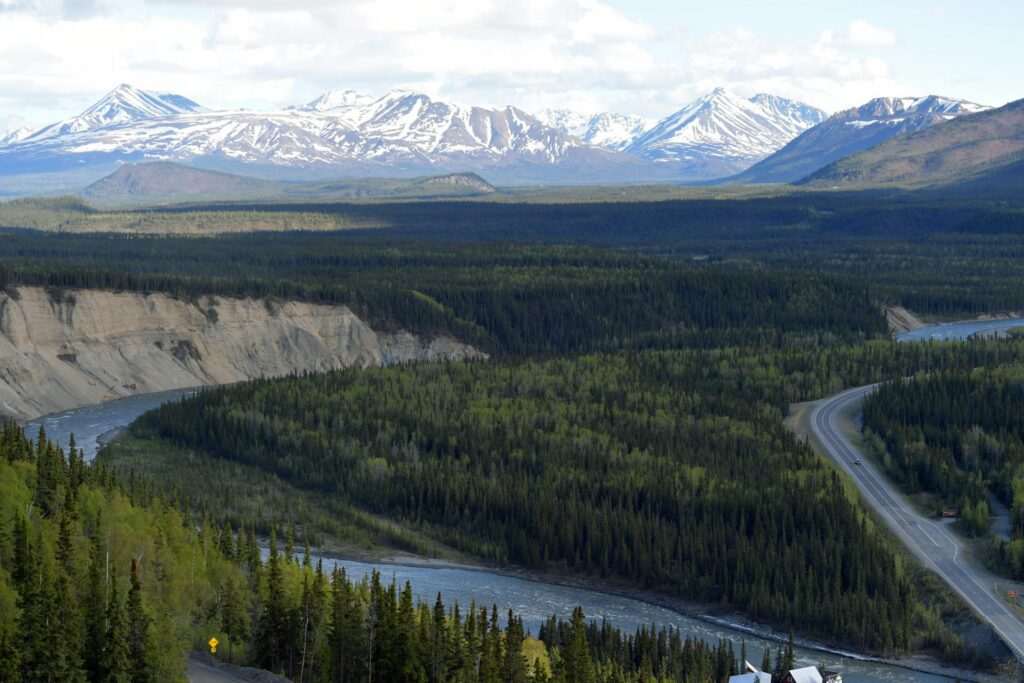
The Drive of a Lifetime Starts in Dawson Creek
You’ve made the decision: you’re driving to Anchorage. Whether you’re coming from Vancouver, Calgary, Edmonton, or anywhere else in BC or Alberta, the Alaska Highway is the classic overland route — and one of the great road trips in North America. The drive takes 4–5 days from Vancouver, 3–4 days from Calgary, and delivers you straight into Anchorage via some of the most dramatic landscapes you’ll ever see from a windshield.
This guide is specifically for Canadian travelers making the overland journey. We cover the key stopping points, the gas planning you can’t afford to skip, seasonal tips, and exactly what to do when you finally roll into Anchorage.
The Route at a Glance
The Alaska Highway officially begins at Mile 0 in Dawson Creek, BC, and runs northwest into Alaska. From Dawson Creek you’ll pass through Fort Nelson, cross into Yukon at Watson Lake, roll through Whitehorse, cross into Alaska near Beaver Creek, pass through Tok, and drop south into Anchorage via the Glenn Highway.
| Segment | Distance (km) | Distance (miles) |
|---|---|---|
| Vancouver → Dawson Creek, BC | ~1,060 km | ~659 mi |
| Dawson Creek → Fort Nelson, BC | 381 km | 237 mi |
| Fort Nelson → Watson Lake, YT | 522 km | 324 mi |
| Watson Lake → Whitehorse, YT | 450 km | 280 mi |
| Whitehorse → Tok, AK (via Beaver Creek) | ~575 km | ~357 mi |
| Tok → Anchorage (Glenn Highway) | ~500 km | ~310 mi |
| Vancouver → Anchorage (total) | ~3,488 km | ~2,167 mi |
The stretch from Dawson Creek to Anchorage is approximately 2,428 km (1,509 miles). Plan for two to three driving days on the Alaska Highway itself, separate from the Vancouver to Dawson Creek leg.
Best Stopping Points Along the Way
Fort Nelson, BC (km 381 from Dawson Creek)
Fort Nelson is your last major fuel and supply stop before the highway gets genuinely remote. Fill up here — the next long stretch toward Watson Lake has services, but they’re spread thin. The town has grocery stores, a few motels, and basic mechanical services. If you’re starting from Dawson Creek in the morning, Fort Nelson makes a natural first-night stop.
Watson Lake, YT (km 903 from Dawson Creek)
Watson Lake is famous for its Sign Post Forest — over 100,000 signs donated by travelers since 1942. It’s one of the most photographed stops on the entire route and takes about 20 minutes to walk through. Fuel up and grab supplies here too. The town also has the Northern Lights Centre if you’re traveling in shoulder season and want to understand the Aurora.
Whitehorse, YT (km 1,353 from Dawson Creek)
Whitehorse is the only real city between Dawson Creek and Anchorage, and it’s worth an overnight stop — not just a fuel break. The Yukon Wildlife Preserve, the Beringia Interpretive Centre, and the SS Klondike sternwheeler are all genuinely worth a few hours. There’s good food, grocery stores, and multiple RV parks and campgrounds. Plan to spend a night here if you can.
Beaver Creek, YT — US Border Crossing
Beaver Creek is the last Canadian community before you cross into Alaska at the Port of Alcan border station. Make sure your passport and vehicle documents are ready. The crossing is typically smooth for Canadian citizens in personal vehicles. Border hours vary by season — generally open 24 hours in summer, but verify before you travel.
Tok, AK (approximately km 1,928 from Dawson Creek)
Tok is the first Alaskan town of any size and a natural break point before the final push south. Fuel up here — you’re about 500 km from Anchorage, and while the Glenn Highway has gas stops, Tok prices are often lower. Tok also has an excellent Alaska Public Lands Information Center where rangers can advise on road conditions and wildlife watching ahead.
Gas Planning — Don’t Skip This Step
Fuel planning is the most common mistake first-time Alaska Highway drivers make. In Yukon especially, gas stations can be 100–160 km apart, and some run limited hours or close entirely in shoulder season. Follow these rules:
- Never pass a gas station with less than half a tank north of Fort Nelson or anywhere in Yukon
- The Milepost travel guide (updated annually) is the gold standard for current fuel stop locations, hours, and prices — download the digital version or grab a copy before you leave
- If you’re in an RV or towing a trailer, calculate your range conservatively — mountain passes and headwinds hit fuel economy hard
- Carry a 20-litre (5-gallon) emergency jerry can through Yukon for real peace of mind
Seasonal Notes
The Alaska Highway is open year-round, but the conditions vary a lot by season:
- May–September: Best for most travelers. Long daylight hours in summer let you drive later without fatigue. Watch for spring frost heaves (April–May) that create rough road sections through northern BC and Yukon
- June–August: Peak season — most services are open, wildlife is abundant, and the midnight sun means you’ve got all the daylight you need
- October–April: Possible but demanding. Expect snow, ice, limited daylight, and some services closed. A winter drive is genuinely beautiful but requires proper winter tires and emergency gear
The highway is paved throughout, though stretches in northern BC and Yukon are subject to ongoing construction and resurfacing. All-season or dedicated all-terrain tires are smart even for summer travel.
RV Tips for the Alaska Highway
A large share of Canadian Alaska Highway travelers make the drive in RVs, and the route handles them well. A few things to know before you go:
- Dump stations are available in most communities — Watson Lake and Whitehorse both have municipal RV parks with full hookups
- Propane is available at most fuel stops, but refilling takes time; plan stops around propane availability if you rely on it heavily
- Most RVers take 5–7 days rather than 4, using campgrounds along the route for a more relaxed pace
- If you’re towing a dinghy vehicle behind your RV, verify your setup at the US border — Alaska has specific requirements for tow-behind vehicles
Arriving in Anchorage — What to Do First
After days on the road, Anchorage feels like a genuine city — and it delivers. Here’s how to make the most of your arrival day:
Check in and stretch your legs. Downtown hotels like the Sheraton Anchorage or the DoubleTree by Hilton Downtown put you walking distance from the waterfront and the best first-day activities. RV travelers will find campgrounds a short drive from the city center.
Walk the coastal trail. The Tony Knowles Coastal Trail runs right along Cook Inlet from downtown — it’s flat, paved, and a perfect decompression walk after days of highway driving. On a clear day, you’ll see Denali from the trail.
Look for belugas. Cook Inlet’s resident beluga whale population is often visible from shore near downtown Anchorage, especially on incoming tides. The Cook Inlet beluga viewing spots are some of the best accessible wildlife watching you’ll find anywhere.
Plan your next adventure. Anchorage is the launch pad for the rest of Alaska — glaciers, fishing, wildlife tours, and flightseeing are all within reach. Chugach Adventures is a good starting point for guided outdoor excursions from the city.
How long does it take to drive the Alaska Highway from Vancouver to Anchorage?
Plan for 4–5 days from Vancouver — roughly 3,488 km (2,167 miles) total. From Calgary or Edmonton the distance is shorter at 3–4 days. Most travelers prefer 5 days to allow proper stops in Whitehorse and along the Yukon without rushing.
Where do I fill up on gas driving the Alaska Highway?
Never pass a gas station with less than half a tank north of Fort Nelson, BC, or anywhere in Yukon — stations can be 100–160 km apart in remote stretches. The Milepost travel guide lists current fuel stop locations and hours and is worth downloading before you leave home.
Can I drive the Alaska Highway in a regular car?
Yes — the highway is fully paved and accessible in a regular car. You don’t need a 4×4 for summer travel. That said, frost heaves in spring can be rough on low-clearance vehicles, and gravel chips can crack windshields on certain sections. All-season tires and a windshield protector are good investments.
What should I do first when I arrive in Anchorage after the drive?
Walk the Tony Knowles Coastal Trail along Cook Inlet — it starts right in downtown Anchorage, it’s flat, and within minutes you’ve got mountain and water views that make the whole drive feel worth it. Then check the waterfront for beluga whales, grab dinner downtown, and sleep well. You’ve earned it.
Start at Mile 0 — Anchorage Is Waiting
The Alaska Highway is the kind of road trip Canadians talk about for years. Anchorage is 4–5 days from Vancouver and worth every hour behind the wheel. Fill the tank, load the cooler, grab your passport, and start at Dawson Creek — we’ll be here when you arrive.
Featured photo by John De Leon on Pexels.

No comments yet.