Gold Panning in Alaska 2026: Day Trips from Anchorage to Real Gold Rush Sites
Alaska and gold have been inseparable since the late 1800s. The Klondike Rush of 1898, the Nome beach strikes, the Fairbanks placer fields — gold is woven into the state’s origin story, and it’s still being found today. For visitors, recreational gold panning is one of the most genuinely hands-on Alaska experiences available, and the two best sites are both accessible as day trips from Anchorage.
Crow Creek Mine: The Most Accessible Option
Crow Creek Gold Mine in Girdwood sits about 40 minutes south of Anchorage, making it the easiest gold panning day trip from the city. The mine has been producing gold since 1898, and several of the original buildings from that era still stand on the property — it’s a working slice of Alaskan gold rush history, not a reconstruction.
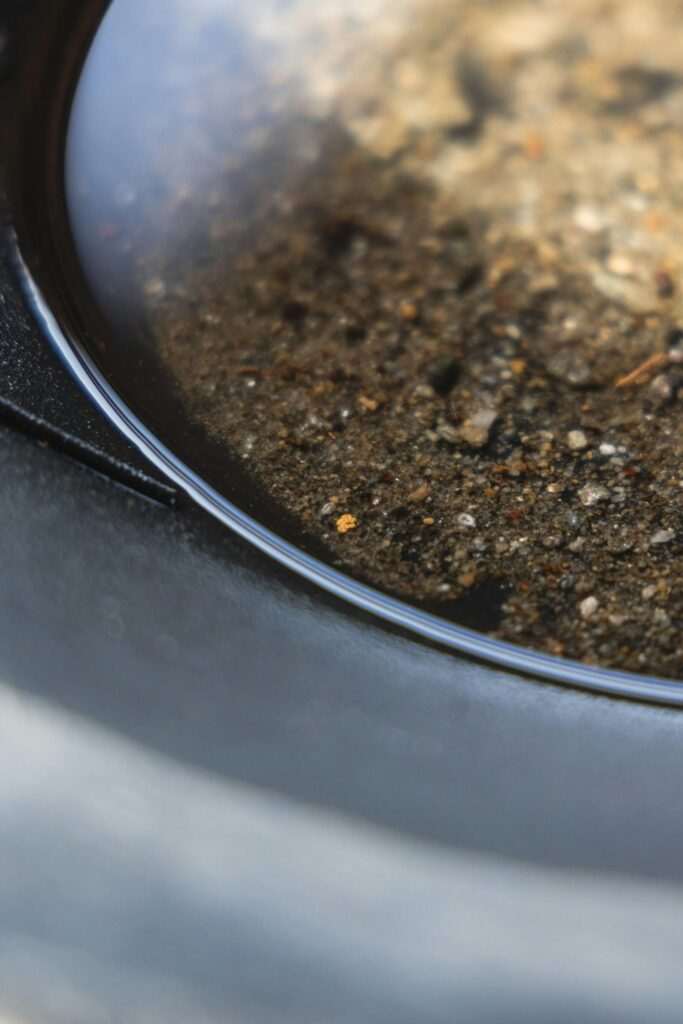
The operation provides everything you need: sluice boxes, pans, shovels, and high-grade gold-bearing gravel that has been enriched to give visitors a realistic chance of finding color. Staff show you the technique (it’s not complicated — swirl, tilt, let the heavy stuff settle), and you work the sluice until you find something. Most visitors do find gold flakes. Occasionally someone finds a nugget.
The property also includes hiking trails into the surrounding hills, the original mine structures, and the active gold-producing operations. Plan 2–3 hours. Admission covers the gold panning, and you keep everything you find. Crow Creek Mine is open seasonally (roughly May through September) — check hours before you go, as they can vary.
Hatcher Pass and Independence Mine State Historical Park
Hatcher Pass and Independence Mine State Historical Park is a different kind of experience — more about history and scenery than hands-on panning. Located about 90 minutes north of Anchorage in the Talkeetna Mountains, Independence Mine is the remnant of a hard rock gold mine that operated from the 1930s through 1943, producing millions of dollars in gold before the government shut down non-essential mining during World War II.
The mine buildings — mill, bunkhouses, mine manager’s house, shaft infrastructure — are preserved against the alpine backdrop of Hatcher Pass, which is stunning in any season. In summer, the tundra is carpeted in wildflowers. In fall, the colors are extraordinary. Guided tours of the mine complex are available, and the historical interpretation is excellent.
There’s no gold panning at Independence Mine itself, but the experience of understanding how hard rock mining worked — the scale of the operation, the isolation these miners lived with, the brutality of the labor — is a meaningful contrast to the recreational pan-and-find experience at Crow Creek. Combine both sites for a full gold rush perspective.
The drive to Hatcher Pass through the Matanuska-Susitna Valley is beautiful in its own right, especially the final section of winding road up into the alpine zone.
Gold Rush History Context
Alaska’s gold rushes were among the most consequential events in the territory’s development. The late 1890s saw tens of thousands of prospectors flood into Alaska and the Yukon — up through the Chilkoot Trail, down the Yukon River, out to the beaches at Nome. Anchorage itself didn’t exist yet (it was founded as a railroad construction camp in 1914), but the gold activity established Alaska in the national consciousness as a place worth the effort.
The Crow Creek area was part of the Girdwood rush of 1898, one of the smaller but productive gold fields along Southcentral Alaska’s coast. Local creeks still carry gold today, and active small-scale mining operations exist throughout the Chugach Mountains and interior Alaska.
Realistic Expectations
At Crow Creek Mine, with their enriched gravel, most visitors find gold flakes — small but real. The gold is fine, and collecting it requires patience with the pan, but it’s not a rare outcome. Finding a nugget is uncommon but happens.
Wild-creek panning, done without the enriched gravel at commercial sites, is more of a search-and-hope activity. Successful recreational prospectors spend significant time in stream beds known to carry gold, and results vary widely. Many Alaskan creeks do contain small amounts of gold, but casual panning without specific knowledge of productive locations is more about the experience than the yield.
The gold you find at a commercial panning site is yours to keep. Recreational panning on public lands in Alaska is generally permitted on many state and federal lands — check the Alaska DNR and BLM regulations for the specific area you’re considering if you want to try it on your own.
Practical Tips
Crow Creek Mine: Book in advance for peak summer days. Wear clothes you don’t mind getting wet or muddy. Bring cash — some rural Alaska sites don’t accept cards. The drive through Girdwood itself is worth the trip even if gold panning isn’t your primary interest.
Hatcher Pass: The road into Hatcher Pass is paved to a point but gravel beyond — a standard passenger car handles the main park access fine. Bring layers; the alpine elevation runs significantly cooler than Anchorage even in midsummer. The visitor center has interpretive materials worth reviewing before hiking the mine buildings.
Gold panning in Alaska connects you to something specific: the actual history and the actual geology that shaped this state. Finding even a tiny flake of real placer gold in your pan — something that washed down from a Chugach mountain over thousands of years and ended up in a creek an hour from one of North America’s major cities — is a quietly remarkable thing.
For guided gold panning day trips and adventure tours from Anchorage, check out Adventures by True North, which offers a range of Alaska outdoor experiences.

No comments yet.