
Alaska Berry Picking & Foraging Near Anchorage 2026 — Seasonal Guide
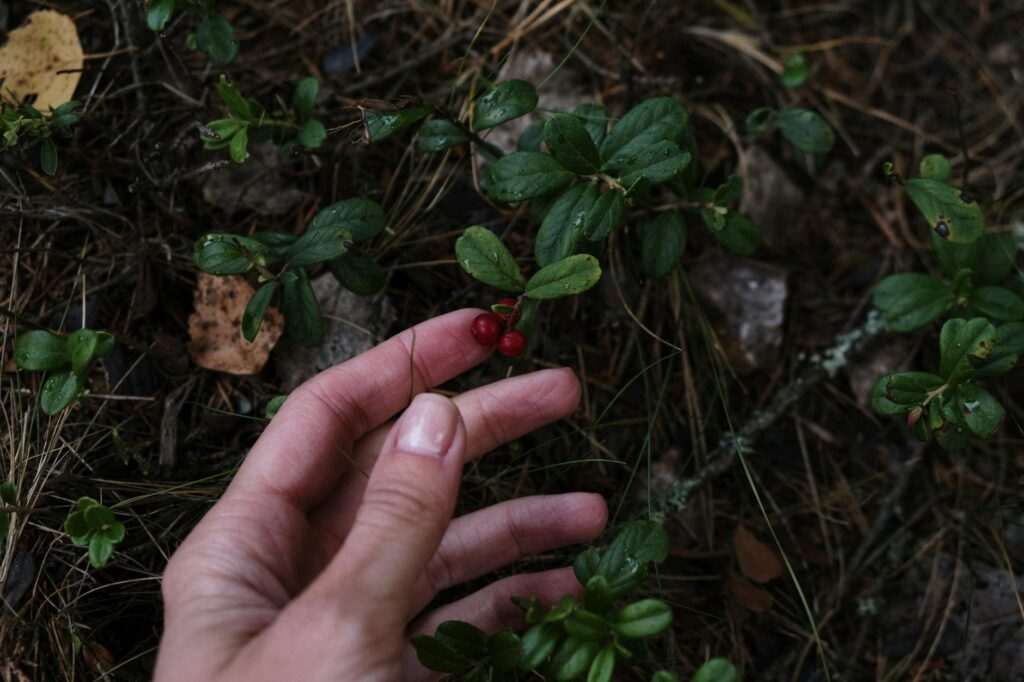
In Alaska, foraging isn’t a trend. Picking berries is something people have done on these hillsides for thousands of years, and in Anchorage it persists as a genuine late-summer ritual. Office workers duck off trails on their lunch break with a container. Families spend August afternoons on the Chugach foothills with grandparents who know exactly which slope to check. The berries are abundant, the land is public, and the flavors — particularly the wild blueberries — have an intensity that cultivated varieties never match. Here’s what grows near Anchorage, when to find it, and where to go.
Salmonberries — June Through July
Salmonberries are Alaska’s first berry of the season and the most visually striking — large, raspberry-shaped clusters that ripen from orange-gold to deep red, depending on the plant. They appear as early as late June in lowland areas and remain through July, making them the signal that summer foraging has officially begun.
Look for salmonberries in coastal wetlands, riparian corridors, and shaded hillside margins. The Ship Creek Trail corridor through downtown Anchorage produces reliable salmonberry patches along the creek banks. The McHugh Creek Trail south of the city has excellent salmonberry habitat in the lower canyon sections before the trail climbs into alpine terrain. Turnagain Arm hillsides also hold good patches accessible from highway pullouts.
The flavor is mild and lightly tart — pleasant fresh but truly excellent for jam and preserves. Salmonberries don’t keep long after picking, so plan to process them the same day.
Wild Blueberries — Late July Through Mid-August
The peak of Anchorage berry season. Wild lowbush blueberries grow across the Chugach foothills from roughly 800 to 2,500 feet in elevation, and in a good year the hillsides above the Hillside trail systems are purple with fruit. The berries are small — much smaller than anything sold in a grocery store — but the flavor concentration is extraordinary. One handful of wild Alaska blueberries delivers more taste than a whole pint of cultivated ones.
The Chugach State Park trail systems on the Hillside are the most accessible blueberry terrain in the city. The approaches to Flattop Mountain, Near Point, and the upper sections of the Glen Alps trails all pass through prime habitat. Go above the treeline and look for low-spreading ground-hugging plants with small blue-purple berries; the bushes grow as mats across open tundra rather than tall shrubs.
A berry comb — a wide-toothed plastic or metal scoop — speeds up picking considerably. REI Anchorage carries them, as do local fishing supply shops. Use a wide-mouth container rather than a bag; blueberries crush under their own weight if packed too deep.
Crowberries — August Through September
Crowberries look similar to blueberries at a glance but grow on low-spreading heather-like plants and have a distinctly different flavor — slightly bitter raw, with a mild astringency that mellows considerably after cooking or frost. They linger on the plant well into fall, often surviving the first hard freeze in good condition.
Find crowberries in high tundra and open alpine terrain: the Flattop Mountain summit area, the upper ridges of the Chugach foothills, and exposed south-facing slopes throughout Chugach State Park. They’re excellent in pies, muffins, and mixed berry preserves where their slight bitterness balances sweeter fruit.
Highbush Cranberries — September Through October
Highbush cranberries ripen in bright red clusters at forest edges and woodland margins, and they’re best after the first hard frost has broken down some of their initial tartness. They’re too astringent for comfortable fresh eating but produce outstanding jelly and cranberry sauce — a genuinely worthwhile project if you have access to a kitchen.
The Eagle River Nature Center trails pass through excellent highbush cranberry habitat, particularly in the mixed birch and spruce forest sections. The Eklutna Lake area also has good patches accessible from the trail along the lake’s north shore.
Bog Blueberries & Bog Cranberries — Late August Through September
The coastal wetlands and bog margins near Westchester Lagoon and the flats near Point Woronzof hold bog blueberries and bog cranberries — smaller and more tart than their upland counterparts, but abundant and easy to access without significant elevation gain. These patches suit foragers who want results without a long hike. The lagoon area is a pleasant place to spend a morning regardless of berry yields.
Wild Mushrooms — Advanced Foragers Only
Chanterelles, king boletes (porcini), and shaggy mane mushrooms all grow in Chugach forests and are genuinely excellent table fare. However, mushroom foraging in Alaska carries real risk — several deadly species occur in the same habitat as edible ones, and confident identification requires specific knowledge that casual foragers don’t always have.
If you want to forage mushrooms, connect with the Anchorage Mycological Society before heading out independently. They run guided forays during the season where experienced identifiers walk you through distinguishing edible species from dangerous lookalikes. Don’t eat anything you can’t positively identify from multiple field characteristics. This advice applies everywhere, but Alaska’s forests reward the cautious with enough chanterelles that there’s no reason to take chances.
Practical Tips & Bear Safety
Berry patches attract bears. Brown and black bears track ripening fruit across the same hillsides and creek corridors that foragers work, and late July through September concentrates both species in the same terrain. Make consistent noise while picking — talking, a bear bell, or periodic calls of “hey bear” — and be alert for signs of recent bear activity (tracks, scat, overturned ground). The Eagle River Bear Viewing Trail is one of the most reliable brown bear viewing spots in the Anchorage area during salmon season, which overlaps directly with peak berry season.
Public land foraging for personal use is legal throughout Alaska. The Chugach State Park and Chugach National Forest lands surrounding Anchorage are open for berry and mushroom picking without a permit. Respect private property boundaries, particularly on the developed Hillside neighborhoods adjacent to the park.
If you want to take Alaska wild berry products home without doing the picking yourself, Alaska Wild Berry Products carries jams, preserves, chocolates, and gift items made from wild Alaska berries — a useful stop near the end of your trip. And if your visit lands in late summer, the Blueberry Festival in Girdwood celebrates the season with a full community event worth the 40-minute drive from Anchorage.
The berries are free, the hillsides are public, and the season runs barely three months. Go early, go often, and bring enough containers.
Featured photo by cottonbro studio on Pexels.


No comments yet.