
Fishing Charters from Anchorage Alaska 2026
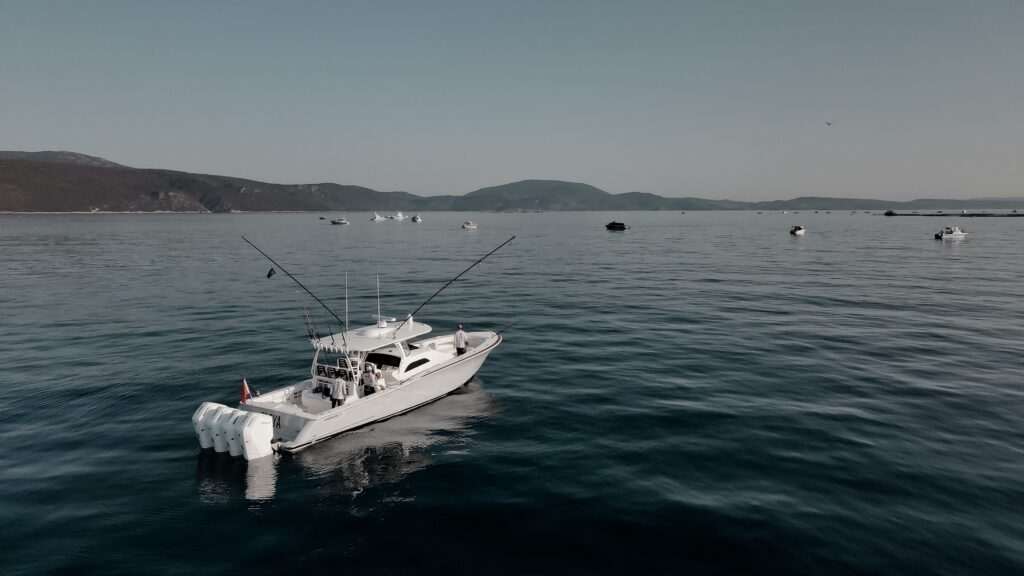
Anchorage sits at the center of one of the world’s most productive sportfishing regions. Within a two-hour drive, anglers can access Cook Inlet king salmon runs, world-class halibut grounds off Seward and Homer, and the Kenai River — a legendary salmon fishery that draws serious anglers from around the globe. For visitors without their own gear or local knowledge, fishing charters are the most efficient way into that fishery. This guide covers the main charter options accessible from Anchorage, what each offers, and how to choose the right one for your timeline and target species.
Combat Fishing at Ship Creek: King Salmon in the City
The most unusual fishing experience accessible from Anchorage requires no boat at all. Ship Creek flows through downtown Anchorage and hosts a run of king (chinook) salmon from late May through July, drawing hundreds of anglers shoulder-to-shoulder along its banks in what locals call “combat fishing.” The Ship Creek Salmon Viewing Area sits within walking distance of the downtown hotels and Convention Center — you can be casting for 30-pound king salmon within twenty minutes of checking in.
Combat fishing at Ship Creek is a genuine Anchorage institution, not a novelty put on for tourists. The fish are real Alaska kings ascending a tidal creek to reach spawning habitat. Gear rental and licensing are available from shops along the creek. The experience is crowded and chaotic by wilderness fishing standards, but for visitors with limited time, it provides an authentic encounter with Alaska’s salmon culture without a half-day drive.
Cook Inlet Charters: Salmon and Halibut From Anchorage
For anglers who want to fish from a boat, Cook Inlet charter operations depart from Anchorage and points south along the Seward Highway. The Inlet itself holds king salmon, silver (coho) salmon, and halibut, though the Inlet’s extreme tides and silty conditions make it a different fishing environment than the clearer waters of the Kenai Peninsula’s coast.
Cook Inlet Charters offers half-day and full-day guided trips targeting the species available in the Inlet during the applicable season. Cook Inlet charter fishing is best suited to anglers prioritizing convenience over maximum trophy potential — the Inlet’s fish are real and the experience is legitimate, but the Kenai Peninsula’s coastal waters typically produce larger halibut and more consistent salmon action.
For multi-species guided fishing experiences built around Anchorage as a home base, Big Time Alaskan Fishing Adventures provides guided trips that can combine Cook Inlet access with day trips to the Kenai Peninsula fisheries. Their guides can advise which species and locations are most productive for your specific travel dates — salmon run timing varies significantly by species and year.
Kenai River: Alaska’s Most Famous Salmon Fishery
The Kenai River, accessible via a 2–2.5 hour drive south of Anchorage on the Sterling Highway, is Alaska’s most celebrated salmon stream. The river holds all five Pacific salmon species at various points in the season, with king salmon runs from May through July and silver salmon from August through October. The Kenai’s king salmon are among the largest in the world — the world record king salmon, a 97-pound fish, was caught from the Kenai in 1985.
Drift boat fishing is the standard approach on the Upper Kenai; power boats and bank fishing characterize the Lower Kenai near Soldotna and Kenai. Most charters include transportation from Anchorage or meet clients at designated launch points along the river. A full-day Kenai River charter typically runs 8–10 hours on the water and includes gear, bait, and fish processing coordination. Expect to pay $250–$400 per person for a guided Kenai River day.
Booking timing matters critically on the Kenai. King salmon season has been subject to conservation-based closures in recent years as Alaska wildlife managers respond to returning run sizes. Check the Alaska Department of Fish and Game’s current-season regulations before booking — your charter operator will know, but confirming in advance avoids surprises. Silver salmon season in August and September tends to be more consistently open and offers some of the Kenai’s most reliable action.
Seward Halibut Charters: Pacific Halibut on the Open Ocean
Seward, located 127 miles south of Anchorage on Resurrection Bay, is Alaska’s preeminent halibut charter port. The bay opens directly onto the Gulf of Alaska, where Pacific halibut feed on the ocean floor at depths of 100–400 feet. Half-day and full-day halibut charters run from Seward’s small boat harbor from May through September.
Pacific halibut are large, flat, bottom-dwelling fish that fight hard at depth and make excellent table fare. Charter limits set by ADF&G allow two halibut per angler per day; most operators encourage keeping one large “dinner fish” (20–60 lbs) and one smaller fish rather than targeting the largest possible halibut, which are typically female brood stock. The day-trip logistics from Anchorage are straightforward: depart Anchorage by 5–6 a.m., reach Seward by 8–9 a.m. for a morning half-day charter, and return to Anchorage by early evening with filleted fish in a cooler.
Alaska Fishing Adventures operates guided trips targeting Kenai Peninsula species including Seward-area halibut. Most Seward charter operators process and vacuum-pack your catch dockside for transport; fish-shipping services can handle boxes back to the Lower 48 for an additional fee.
Homer: Halibut and Salmon Combo Charters
Homer, on the southern tip of the Kenai Peninsula approximately 5 hours from Anchorage, is known as the “Halibut Fishing Capital of the World” and hosts one of Alaska’s largest charter fleets. Homer’s charter boats operate in Kachemak Bay and the outer Gulf waters, targeting halibut and multiple salmon species. Combo charters — fishing for halibut in the morning and salmon in the afternoon, or targeting both species from the same grounds — are common and popular.
Homer is typically an overnight or multi-day destination from Anchorage rather than a day trip. The extra drive time is repaid in access to some of Alaska’s most productive halibut grounds and the scenic drama of Kachemak Bay’s mountains, glaciers, and wildlife. Most Homer charter operators offer multi-day packages that include lodging and guided fishing on consecutive days.
Fly-Out Fishing: Wilderness Access from Anchorage
For anglers seeking truly remote fisheries, fly-out fishing trips are accessible from Anchorage’s Merrill Field and Ted Stevens Anchorage International Airport. Float planes and bush planes carry anglers to lakes, streams, and rivers throughout Southcentral Alaska that hold rainbow trout, Dolly Varden, grayling, and all five Pacific salmon species in uncrowded or completely solitary settings.
Classic fly-out destinations from Anchorage include the lakes and rivers of the Alaska Range foothills north of the city, the streams of the Kenai Peninsula backcountry, and — for those with deeper budgets — the legendary Bristol Bay watershed west of the Alaska Range. One-day fly-outs typically run $400–$800 per person including the flight; multi-day lodge packages at remote wilderness lodges range from $2,000 to $6,000+ per person depending on the operation and duration.
What’s Typically Included in an Alaska Charter
- Gear: Rods, reels, terminal tackle, and bait are standard inclusions. You do not need to bring fishing equipment unless you have specific gear preferences.
- Fishing license: Not included — you must purchase your own Alaska sport fishing license before boarding. Non-resident licenses are available by the day, 3-day, or season from ADF&G’s website and at sporting goods retailers in Anchorage.
- King salmon stamp: Required in addition to the base license for king salmon fishing. Confirm with your charter operator which stamps you need for your specific trip.
- Fish processing: Many charters include or arrange basic filleting; vacuum packaging and shipping are usually add-ons.
- Food and beverages: Most half-day and full-day charters do not include meals. Bring snacks, water, and seasickness medication if prone to motion sickness on open water.
Tipping Your Guide
Guide tipping is standard practice in Alaska’s charter industry. The baseline expectation is 15–20% of the trip cost per person, scaled up for exceptional service or exceptional fishing. On a $300 guided day, $45–60 per person is appropriate; on a multi-day trip, tip at the end of the final day. Cash is the standard — guides pay income tax on tips but card processing through charter companies often results in delayed or reduced payouts to the actual guide.
Choosing the Right Charter
The most important decisions in charter selection are timing and species. Alaska’s salmon seasons are short and species-specific: king salmon run May–July; sockeye July–August; silver salmon August–October; halibut are available May–September. If you want to catch kings specifically, book well in advance and confirm the fishery is open before your trip.
Reputation and regulatory compliance matter in a market where operators range from highly professional to problematic. Look for operators licensed by ADF&G, with verifiable reviews on fishing-specific platforms. Your charter operator should be able to tell you exactly what species are running when you visit, what recent catches have looked like, and what the realistic expectations are — an honest operator is more valuable than an optimistic one.
For anglers new to Alaska who want a comprehensive introduction to the state’s sportfishing options, starting with a reputable guided Kenai River trip or a Seward halibut day charter provides the best balance of accessibility, trophy potential, and value. The fish are there — Alaska’s charter fleet exists because the resource is genuinely extraordinary.
Featured photo by Lamont Mead on Pexels.


No comments yet.