
Wax Resist Batik in Anchorage: Tjanting, Cap Techniques, and Alaska Design Motifs (2026)
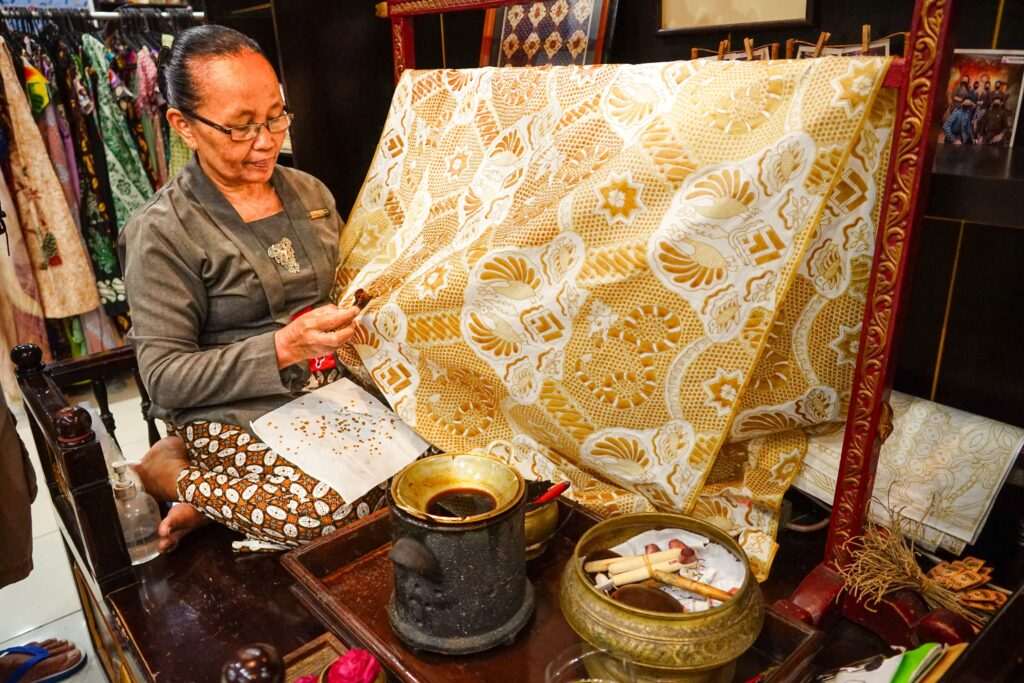
Wax resist batik is one of the world’s great textile traditions — a method of applying melted wax to fabric in controlled patterns, then dyeing the fabric so that waxed areas resist the dye and emerge undyed. The technique creates complex, multicolored designs through successive waxing and dyeing steps, with the characteristic “crackle” effect (fine lines of dye penetrating the wax where it has fractured) giving batik fabric its distinctive visual texture. Batik’s origins are in Java, Indonesia, where the tradition has been practiced for at least a thousand years and where the most sophisticated techniques — the tjanting (hand-drawn wax tool) and the cap (metal stamp) — were developed into an elaborate art form that UNESCO recognized as an Intangible Cultural Heritage of Humanity in 2009. Contemporary batik has spread globally, with artists adapting the traditional Javanese vocabulary to new subjects and design languages. In Anchorage, batik workshops offer one of the most visually dramatic textile craft experiences available, and Alaska-inspired design motifs — totem iconography, wildlife silhouettes, aurora borealis patterns — translate powerfully into batik’s graphic vocabulary. This guide covers tjanting and cap techniques, wax blend ratios, dye bath sequence, crackling effects, wax removal, and Alaska design applications for 2026.
Indonesian Batik Traditions: Tjanting and Cap
Traditional Javanese batik uses two primary wax application tools that produce distinctly different results:
Tjanting (Hand-Drawn Wax Work)
The tjanting (pronounced “chanting”) is a small copper bowl with one or more spouts, mounted on a wooden or bamboo handle. Melted wax is poured into the bowl, and the wax flows out through the spout as the tool is drawn across the fabric, creating lines of wax resist that define the design. Tjanting work is the most labor-intensive form of batik — a complex traditional piece can take months of continuous tjanting work to complete — but produces the finest detail and the most characteristically “handmade” quality.
Different spout diameters (available on different tjanting tools) produce different line weights. Fine-spout tjantings draw hair-thin lines for delicate detail; wider spouts fill broader areas more quickly. The temperature of the wax in the bowl determines its flow rate — too hot and it flows too freely, spreading beyond the intended line; too cool and it drags and clogs. Most tjanting workers keep their wax heated on a small electric skillet or wax pot set to 150–180°F (65–82°C).
Cap (Metal Stamp Batik)
The cap is a copper or brass stamp block with a raised design, dipped in molten wax and pressed firmly onto fabric to transfer the wax pattern. Cap batik produces repeating designs more quickly than tjanting work and was developed commercially in the 19th century when demand for batik exceeded what hand-drawing could supply. The traditional Javanese cap designs are extraordinary engineering feats — complex interlocking geometric and floral patterns machined into copper stamps that tile seamlessly across a cloth’s width.
In contemporary workshop settings, simplified cap stamps (made from copper wire bent and soldered onto a backing plate) can be fabricated by participants or purchased commercially. The cap approach is more accessible for beginners because it doesn’t require the continuous hand control that tjanting demands — a well-made stamp produces consistent wax coverage in a single press.
Wax Blend Ratios: Paraffin vs Beeswax
The wax blend determines the resist’s behavior on fabric and its crackle characteristics:
Beeswax
Beeswax is flexible when cool — it bends with the fabric without cracking, producing clean resist edges without the crackle penetration lines that paraffin causes. Batik made with pure beeswax can have very clean color boundaries, with waxed areas remaining pure white after dyeing. Beeswax is more expensive than paraffin and has a lower melting point, making it easier to work with at lower temperatures. Traditional Javanese batik uses beeswax extensively for fine detail where crackle would obscure the design.
Paraffin
Paraffin is brittle when cool — it cracks easily when the fabric is flexed, allowing dye to penetrate the cracks and create the fine-line “crackle” pattern that’s one of batik’s most recognizable visual effects. Pure paraffin produces maximum crackle; it’s cheaper than beeswax and works at slightly higher temperatures. Many practitioners deliberately crinkle a paraffin-waxed fabric before dyeing to create controlled crackle patterns throughout the design.
Blending for Control
Most batik practitioners blend paraffin and beeswax to control the degree of crackle. A common starting blend is 70% paraffin / 30% beeswax, which produces moderate crackle with some edge definition. Moving toward more beeswax (50/50 or higher) reduces crackle and improves edge sharpness. Moving toward pure paraffin maximizes crackle for textured, aged effects. Experimenting with blend ratios on test fabric before committing to the final piece is standard practice.
Dye Bath Sequence
Multicolor batik builds color through successive dye baths, with wax protecting previously dyed areas during each subsequent bath. The sequence moves from light to dark:
- First dye bath (lightest color): Undyed fabric goes into the first dye bath — usually a light yellow or the lightest color in the design. The entire cloth takes this color.
- First waxing: After drying, wax is applied to all areas that should remain the first color in the finished piece. These areas are now protected from all future dye baths.
- Second dye bath: A second, darker color overdyes the unwaxed areas. The previously waxed areas remain the first color; the newly dyed areas combine with the first color (if the first bath color was yellow and the second is blue, unwaxed areas become green).
- Continue waxing and dyeing: Each round adds another color by waxing the current color areas and dyeing with a new color. The number of colors possible equals the number of dye baths.
- Final dark bath: The darkest color — often black, dark brown, or deep navy — is applied last, dyeing all remaining unwaxed areas the deepest tone.
Fiber-reactive dyes (Procion MX, Dharma Trading’s “Fiber Reactive Dyes”) are the preferred dye type for contemporary batik on cotton — they bond chemically to the fiber without heat, which means the wax stays hard throughout the dyeing process. Acid dyes for silk and wool require heat, which complicates wax use; fiber-reactive or cold-process dyes are standard for most batik workshops.
Crackling Effects
Crackle — intentional or incidental — is one of batik’s most distinctive visual characteristics. To maximize crackle intentionally:
- Use a high-paraffin wax blend (80% or higher paraffin)
- Allow the wax to cool completely before handling the fabric
- Crumple the waxed fabric deliberately, flexing it in multiple directions to fracture the wax throughout the surface
- Dip in ice water before dyeing — cold wax is more brittle and cracks more aggressively
Crackle over a solid-color background produces a distinctive aged, distressed quality; crackle within a complex design can either enhance the textured feel or obscure fine linework depending on the design’s complexity. For fine detail (tjanting work, small lettering), a high-beeswax blend minimizes unwanted crackle that would destroy the precision of the line.
Removing Wax with Boiling Water
After all dyeing is complete, the wax is removed from the fabric to reveal the final design. Two methods:
Boiling Water
Submerging the waxed fabric in a pot of gently boiling water melts and floats the wax off the fiber. The wax rises to the surface and can be skimmed off, allowed to cool and harden, then collected for reuse. Multiple boiling-water rinses are needed to remove all wax from the fabric. This is the traditional and most thorough wax removal method — it leaves the fabric completely wax-free and fully flexible. The recovered wax, once cleaned of fabric debris, can be remelted and reused.
Ironing Between Newsprint
For small pieces, placing the fabric between layers of newsprint or brown craft paper and ironing draws the wax out of the fabric and into the paper through heat absorption. Multiple paper changes are needed until no more wax transfers. Ironing between paper doesn’t remove all the wax as completely as boiling — some residual wax remains in the fiber, giving the fabric a slightly stiff, waxy hand. For decorative wall hangings (where suppleness isn’t critical), ironing is adequate; for wearable scarves and garments that’ll be washed, boiling is preferable.
Alaska-Inspired Design Motifs
Batik’s graphic vocabulary — bold shapes, clear color fields, distinctive line quality — translates naturally to Alaska-specific design subjects:
- Totem and Northwest Coast iconography: The geometric, stylized animal forms of Northwest Coast Indigenous art (with awareness and respect for their cultural origin) translate beautifully to batik’s line and field structure. Alaska Native artists working in batik bring authentic cultural knowledge to these motifs; non-Native practitioners can take inspiration from the general graphic vocabulary of symmetry, transformation, and stylization without appropriating specific ceremonial designs.
- Aurora borealis: Sweeping, curved color fields in aurora greens, purples, and pinks — achievable through successive dye baths and arc-shaped wax application — produce dramatic wall hangings that capture the aurora’s movement. The crackle of paraffin wax adds texture to the sky areas.
- Wildlife silhouettes: Ravens, bears, salmon, and moose silhouettes waxed onto fabric (leaving the silhouette clear) and dyed in graduated background colors produce striking scarf designs with immediate Alaska character.
- Glacier and mountain compositions: The angular, layered geometry of glacial terrain — crevasses, ice fields, mountain ridges — works well in batik’s successive-layer color approach, with each layer adding depth to the composition.
Batik Workshops in Anchorage
Anchorage batik workshops typically run 3–4 hours for an introductory tjanting or cap session on a small piece (a scarf or fabric swatch), with multi-day formats for complex multicolor work. The boiling water wax removal is often done at the workshop’s conclusion so participants leave with a finished, wax-free piece. Workshop prices run $55–$100, with fabric, wax, dye, and tools provided. Anchorage craft workshop participants can show and sell their finished work at year-round events including the Anchorage Market & Festival, the Anchorage Native Arts & Culture Festival, and the Alaska State Fair. Our free things to do in Anchorage guide covers the textile arts community events and markets where Anchorage batik artists exhibit and sell scarves, wall hangings, and wearable art. Our Anchorage hiking guide covers the Alaska landscapes and wildlife environments that provide the most compelling source material for Alaska-specific batik design.
Photo by John Bastian on Pexels.
No comments yet.