
Valdez Alaska 2026: The Complete Visitor Guide to Prince William Sound’s Mountain Town
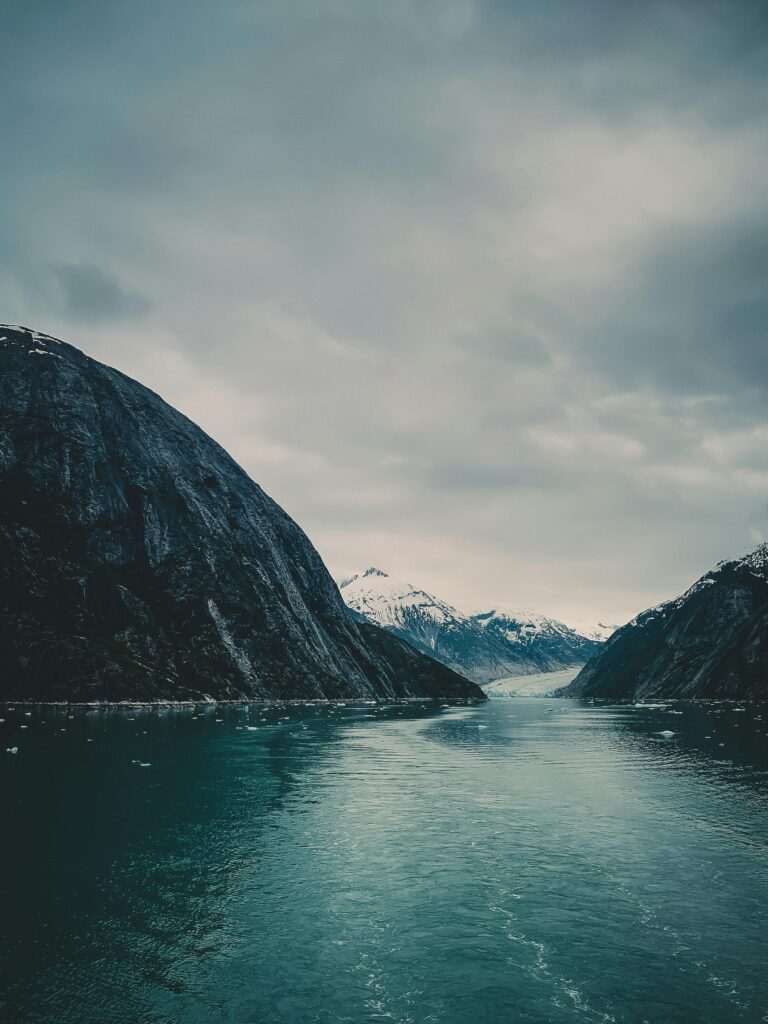
Valdez sits at the head of a deep fiord in Prince William Sound, surrounded by some of the most dramatic mountain-and-water scenery in Alaska. The peaks rise directly from sea level to over 5,000 feet, glaciers hang on the slopes, and the harbor is home to Columbia Glacier — one of the largest tidewater glaciers in the world. It’s a small city with an outsized amount of Alaska packed into a short radius, and it rewards visitors who make the trip from Anchorage.
Getting There: The Richardson Highway Drive
The drive from Anchorage to Valdez is approximately 5.5 hours (about 305 miles) via the Glenn Highway east and the Richardson Highway south through Thompson Pass. This is not a highway you endure — it’s a destination. The route crosses the Matanuska Valley, climbs into the Chugach Mountains, passes the Matanuska Glacier, continues through the high alpine terrain of Thompson Pass (2,678 feet) with waterfall views in every direction, and descends into the hanging valleys above Valdez before finally reaching the harbor.
Thompson Pass is one of the most heavily snowloaded areas in Alaska — the town of Valdez holds the North American snowfall record at 974.5 inches in a single season — and in winter the pass can be spectacular or road-closed depending on conditions. In summer, the same pass is flowering tundra and cascading waterfalls.
Alaska Airlines offers daily flights from Anchorage to Valdez (about 45 minutes), making the city accessible without the drive for visitors on tight schedules. But the drive is genuinely worth doing at least one direction.
Columbia Glacier
Columbia Glacier is the dominant natural feature of the Valdez area and one of the most significant glaciers in North America by any measure. It’s a tidewater glacier — one that terminates directly in the ocean — and it has been retreating dramatically since the 1980s, calving massive icebergs as it pulls back from its former terminus. The active calving front is now about 6 miles from where it was in the early 1980s, and the retreat has opened a glacier-filled fjord that didn’t exist 40 years ago.
Boat tours from Valdez access the glacier up close, navigating through floating bergs to reach the calving face. Prince William Sound Glacier Tours operates from Valdez with multi-hour Columbia Glacier tours that are among the most spectacular boat trips in Alaska. The combination of the glacier face, sea otters lounging on ice chunks, harbor seals hauled out on bergs, mountain goats on the cliffs above, and the constant sounds of calving ice makes this genuinely one of the great Alaska experiences.
Keystone Canyon and Bridal Veil Falls
Keystone Canyon is a short drive east of Valdez on the Richardson Highway — a narrow river canyon where the walls close in and waterfalls drop from ledges hundreds of feet above. In summer, Bridal Veil Falls and Horsetail Falls pour freely down the canyon walls. In winter, they freeze solid and become the ice climbing destination that draws technical climbers from around the world.
Even in summer, the canyon drive is spectacular and takes about 20 minutes. The roadside waterfalls are accessible without any hiking.
Heli-Skiing: Valdez’s Winter Identity
Valdez is Alaska’s heli-ski capital, and it’s regarded as one of the premier heli-skiing destinations in the world. The reason: Thompson Pass and the surrounding terrain receive extraordinary snowfall (record-setting in some years), the terrain is vast and varied, and the mountains above the pass provide extreme vertical descents that rival anything in North America.
Several heli-ski operators run out of Valdez during the ski season (typically February through April, snow-depth dependent). Trips are expensive — $1,000–$1,500+ per person per day is typical — and require intermediate-to-expert skiing ability at minimum. Beginner and intermediate skiers would be in over their heads in this terrain.
For advanced skiers who’ve wanted to heli-ski, Valdez is a legitimate bucket-list destination. The runs go on for thousands of vertical feet and the snow quality in a good year is extraordinary.
Sea Kayaking and Wildlife
The waters of Prince William Sound around Valdez are outstanding for sea kayaking — calm enough in the protected fiords for paddlers of all experience levels, rich with wildlife, and framed by glacier-topped mountains in every direction. Prince William Sound Sea Otter Sanctuary highlights one of the largest sea otter populations in Alaska; paddling among them is a quiet delight. Guided kayak trips operate out of Valdez through the summer season, ranging from half-day harbor tours to multi-day camping expeditions.
The 1964 Earthquake and Pipeline History
Old Valdez was destroyed in the 1964 Good Friday Earthquake — the city sits on glacial outwash soil that liquefied in the shaking and generated a tsunami that devastated the original waterfront. The current city of Valdez was built on more stable ground several miles from the original site. The Valdez Museum covers the earthquake in detail, with photographs and accounts from survivors that make the scale of the destruction vivid.
Valdez is also the southern terminus of the Trans-Alaska Pipeline — the 800-mile pipeline that carries North Slope crude from Prudhoe Bay to the Alyeska Marine Terminal, where it’s loaded onto tankers. The terminal facility is visible from the harbor and is one of the defining industrial features of the city. The pipeline is discussed in more detail in a dedicated post on the pipeline’s engineering and visitor history.
Practical Tips
Best season: Summer (June–August) for glacier tours, kayaking, and the Richardson Highway. Late winter/spring (February–April) for heli-skiing and ice climbing. Valdez in winter with deep snow is genuinely spectacular; in summer it’s lush and accessible.
Lodging: Valdez has limited accommodation options — book well in advance for peak summer and ski season. The Best Western Valdez Harbor Inn and Mountain Sky Hotel & Suites are the main full-service hotels.
Weather: Valdez gets significant rainfall in summer and legendary snowfall in winter. Pack rain gear for summer visits; proper layering is essential year-round.
Valdez is the kind of Alaska destination that stays with you. The setting is genuinely extreme — mountains too close, glaciers too large, snow too deep — in a way that resets your scale of reference for dramatic landscapes.


No comments yet.