
Whale Watching Near Anchorage 2026: Kenai Fjords, Cook Inlet & Day Trip Options
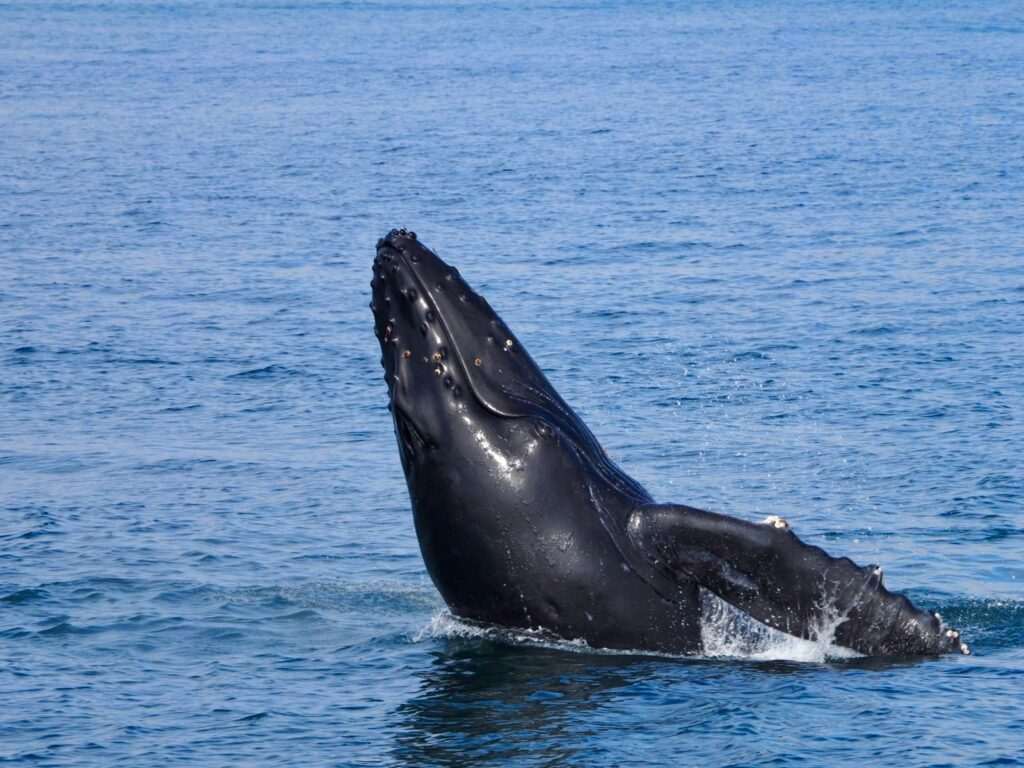
You don’t have to travel to Hawaii or the Pacific Northwest to witness humpback whales breaching in open water. From Anchorage, one of Alaska’s most spectacular wildlife experiences is just a day trip away. Whether you’re scanning Cook Inlet for beluga whales from a pullout along Turnagain Arm or boarding a wildlife cruise from Seward into the heart of Kenai Fjords National Park, whale watching near Anchorage in 2026 delivers the kind of encounters that stay with you forever. This guide covers everything you need to plan the perfect whale watching day from the city.
Whale Species You Might See
Alaska’s whale diversity is extraordinary. Kenai Fjords, just 2.5 hours south of Anchorage by car, is home to humpback whales that arrive each spring and stay through early fall to feed on herring and krill. Humpbacks are the stars of any boat tour — acrobatic breaches, dramatic tail flukes, and their haunting blow spouts make them unmistakable. Orcas (killer whales) are less predictable but regularly spotted in the area; transient pods that feed on marine mammals pass through several times a season. Minke whales and gray whales are occasionally seen as well, especially on longer offshore tours.
Closer to Anchorage, Cook Inlet supports a critically endangered population of beluga whales — small, all-white cetaceans that travel in pods and feed on salmon. Spotting them requires no boat at all, making them a unique and accessible highlight of any Anchorage-area wildlife itinerary.
Free Option: Beluga Point on Turnagain Arm
One of the best whale watching spots in the entire country is completely free and just 40 minutes south of Anchorage. Beluga Point, a signed pullout on the Seward Highway at Mile 110.4, overlooks the tidal flats of Turnagain Arm where Cook Inlet belugas often follow salmon runs in summer. You don’t need a boat, a guide, or a reservation — just patience and binoculars.
The best viewing windows are on an incoming tide when salmon push up the inlet and belugas follow. Visit between June and September for the highest likelihood of sightings. Keep your eyes on the water’s surface for the distinctive white humps rolling through the shallows. Beluga pods can number from a handful to several dozen animals. The Seward Highway scenic corridor along Turnagain Arm offers multiple additional pullouts for scanning the water as you head south toward Seward, making the drive itself part of the wildlife experience.
Getting to Seward: Drive or Alaska Railroad
The main gateway for whale watching boat tours is Seward, home to the Kenai Fjords National Park visitor center and the small-boat harbor from which tours depart. From Anchorage, Seward is roughly 127 miles south along the Seward Highway — a scenic two-to-two-and-a-half-hour drive depending on traffic and wildlife stops.
If you’d rather not drive, the Alaska Railroad runs the Coastal Classic train from Anchorage to Seward daily during summer. The train departs Anchorage in the morning, arrives in time for a full-day boat tour, and returns in the evening — it’s one of the most relaxing ways to make the trip and the mountain and glacier views from the rail cars are outstanding. Whichever way you go, plan to arrive in Seward at least 30 minutes before your boat tour’s departure time to check in and pick up any gear.
Kenai Fjords Boat Tours: What to Expect
Most whale watching cruises out of Seward are full-day wildlife tours that cover far more than whales. You’ll pass through fjords flanked by glaciers calving directly into the sea, encounter sea otters floating on their backs, watch puffins and murres nesting on coastal cliffs, and scan for Steller sea lions and harbor seals hauled out on rocks. Humpback sightings happen on most tours from May through September; some companies offer a wildlife guarantee — if you don’t see any whales, you get a free voucher for another trip.
Half-day tours typically focus closer to the bay and are a good choice if you’re prone to seasickness or traveling with young children. Full-day tours push further into the open Gulf of Alaska and significantly increase your chances of spotting orcas and humpbacks in deeper water. Expect four to eight hours on the water depending on which tour you choose. Seas can be rough beyond the shelter of the fjords, so prepare accordingly.
Tour Operators
Two major operators dominate the Seward whale watching scene and both have excellent reputations:
- Kenai Fjords Tours — one of the oldest and most established operators in Seward, running everything from three-hour bay cruises to all-day Kenai Fjords National Park trips. Their larger vessels are stable and comfortable.
- Major Marine Tours — known for their park ranger narration on longer trips and their onboard meal service. A popular choice for visitors who want the educational angle alongside the wildlife sightings.
Both operators offer advance online booking, which is strongly recommended in July and August when tours sell out days or weeks ahead. If you’d like a smaller-group experience or a guided half-day option closer to Anchorage on the water, check out Cook Inlet Charters Anchorage for guided excursions based in the city. For other Alaska wildlife and bear viewing trips near Anchorage, those tours often combine well with a whale watching day for a full two-day wildlife itinerary.
Best Time to Go
Whale watching season near Anchorage runs May through September, with peak sightings in June, July, and August. Humpbacks are present throughout the summer as they feed heavily to build reserves for their winter migration to Hawaiian breeding grounds. Orca sightings are less predictable but increase in late summer when salmon runs peak and transient pods follow the fish. Beluga whales in Cook Inlet are most visible from June through August, particularly on incoming tides that push salmon up the inlet.
Weather in Kenai Fjords can change quickly regardless of season — fog, rain, and wind are always possible even on a clear Anchorage morning. The fjords create their own microclimates and conditions offshore can be considerably rougher than in the protected harbor. Overcast days aren’t a reason to cancel; cloud cover often makes for better photography with softer light and whales are just as active in mild rain.
What to Bring
Even on a warm summer day, the water temperature in Kenai Fjords is cold and the wind at speed on a boat can cut through thin layers quickly. Dress warmer than you think you need to — layers are your best friend. Most experienced Alaska visitors bring:
- Binoculars — essential for scanning the horizon and spotting distant blows
- Waterproof rain jacket and pants — spray and mist come with the territory
- Warm base layers and a fleece — even in July
- Seasickness prevention — Dramamine or Bonine taken the night before is far more effective than taking it on the boat. Ginger chews are a good supplement if you’re sensitive to motion
- Snacks and water — some tours provide food, many don’t
- Camera with a zoom lens — phone cameras struggle to capture distant whale surfacings
Planning Your Full Day
A whale watching day trip from Anchorage to Seward works best as an early start. Leave Anchorage by 7:00 or 7:30 a.m. to arrive in Seward by 9:30–10:00 a.m. for a 10:30 or 11:00 a.m. boat departure. A full-day tour returns to Seward by 5:00 or 6:00 p.m., leaving time for dinner in Seward before the two-and-a-half-hour drive back to Anchorage.
If you’re combining the trip with other wildlife, consider pairing a morning whale tour with an afternoon sea kayaking paddle near Anchorage on another day — the marine perspective from a kayak is entirely different from a large tour boat and gives you close-up encounters with tidal zones and bird life. For the complete Kenai day trip experience, the Girdwood and Alyeska day trip guide covers the terrain between Anchorage and Seward and makes a great companion read for planning your Kenai Peninsula adventure.
Photo by Timon Cornelissen on Pexels.

No comments yet.