Bear Viewing Near Anchorage 2026 — Where to See Alaska Wildlife
Why Bear Viewing Near Anchorage Delivers
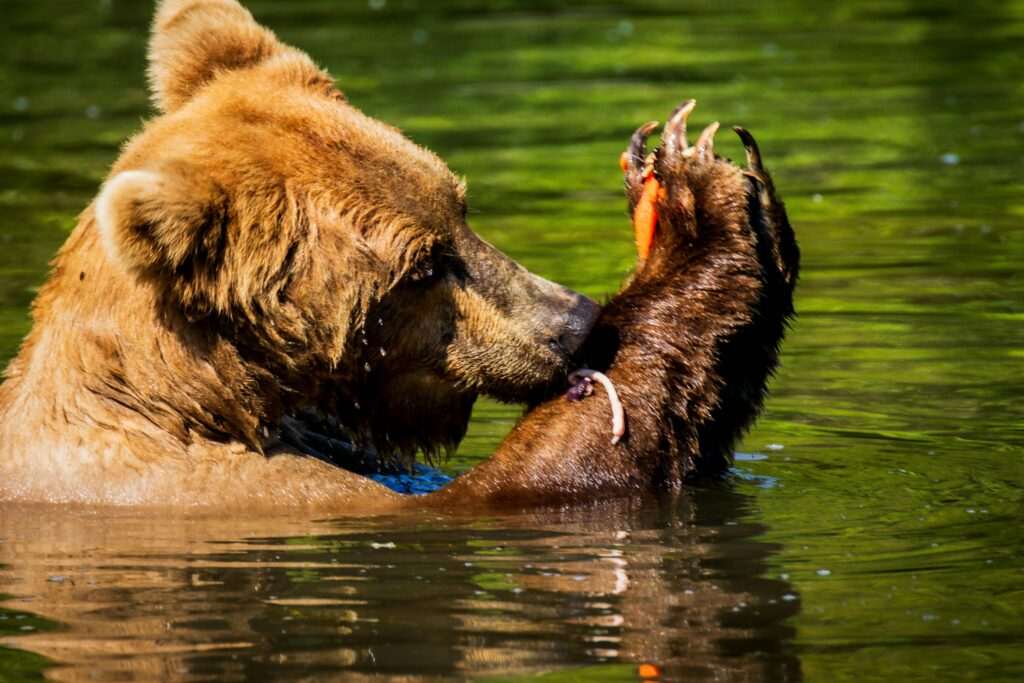
Few wildlife encounters compare to watching a brown bear in the wild — and Alaska makes that possible in ways no other destination can match. For visitors based in Anchorage, some of the most accessible bear habitat in North America sits within a 90-minute drive, with options ranging from roadside wildlife viewing to guided fly-out expeditions to remote river systems where bears gather by the dozens during salmon runs.
This guide covers the best spots for bear viewing near Anchorage in 2026, the right time of year to visit each, and everything you need to know to have a safe and memorable encounter — whether you’re going independently or booking a guide.
Best Bear Viewing Spots Near Anchorage
Alaska Wildlife Conservation Center — Portage Valley
For visitors who want a guaranteed close encounter with Alaska’s iconic wildlife without heading into the backcountry, the Alaska Wildlife Conservation Center (AWCC) is the clear first stop. Located 50 miles south of Anchorage in Portage Valley, AWCC is a 200-acre wildlife sanctuary that houses brown and black bears, wood bison, musk oxen, moose, caribou, and more.
The bears at AWCC aren’t tame, but they’re accustomed to human presence, which means you can observe them from close range without the unpredictability of a wild encounter. It’s one of the best spots in Alaska for bear photography — the animals are active, viewing distances are close, and the Chugach Mountain backdrop is genuinely dramatic. AWCC is open year-round, though summer and fall are when bear behavior is most active and interesting.
Chugach State Park — Black Bear Country
Chugach State Park, which borders Anchorage on three sides, has a healthy black bear population. Black bears are far more common than brown bears near the city and are regularly spotted on trails in the front-country zones — particularly during berry season from late July through September. Popular areas for sightings include the Flattop Mountain area, Glen Alps trailhead, and the Ship Creek Valley drainage.
These aren’t guaranteed encounters. This is genuine wild habitat, and bears are naturally alert and often slip away before hikers notice them. But for anyone hiking regularly in Chugach during summer, a black bear sighting isn’t unusual. Carry bear spray on every outing and be vocal on wooded sections of trail — surprising a bear is the main thing you want to avoid.
Kenai Peninsula — Brown Bear Self-Drive
The Kenai Peninsula, 2–3 hours south of Anchorage, offers some of the most accessible brown bear viewing in Alaska without a fly-out. The Russian River confluence with the Kenai River near Cooper Landing draws brown bears during salmon runs from late June through August, and viewing from the riverbank is both legal and popular. Kenai National Wildlife Refuge has backcountry zones with well-established bear activity, and the Sterling Highway passes through prime habitat throughout.
Drive-by viewing is realistic here: brown bears fishing salmon rivers don’t always bolt at the sight of a car. Arrive during the July–August salmon run window, early morning or evening when activity peaks. Keep at least 100 yards of distance and have binoculars ready — many of the best sightings happen from across the river at established vantage points. No special permits are required for most of these viewing areas.
Katmai National Park Fly-Out — Brooks Falls
For the experience that ends up on the cover of wildlife photography magazines, Brooks Falls at Katmai National Park is in a category of its own. Every July and again in September, brown bears congregate at Brooks Falls to catch sockeye salmon mid-air as the fish leap upstream — and the viewing platforms put you close enough to hear the water and the bears at the same time. It’s about a 90-minute floatplane flight from Anchorage, which makes it a full but achievable day trip.
FlyAKAir Bear Viewing Tours runs guided fly-out expeditions to bear viewing areas, including salmon river systems where brown bears concentrate in numbers. Their guided format means you’re not navigating remote airstrips alone — pilots and guides handle all logistics while you focus on the bears. Brooks Falls Bear Viewing at Katmai is the specific destination many visitors prioritize; National Park Service platform access fills months in advance for peak July visits, so book well ahead.
For a more flexible option, Alpine Air Alaska offers wildlife-viewing flights that can be routed based on current salmon run timing and bear activity. If you’re planning on short notice or want to cover more than one viewing area in a day, a customizable itinerary is worth exploring.
Best Time of Year
Bear activity follows the salmon calendar closely, and the best viewing windows align directly with the runs:
- Late June–July: Sockeye salmon begin entering Kenai Peninsula rivers. Brown bear activity near river systems picks up rapidly. Vegetation is lush, making for striking wildlife photos.
- August: Peak season at Brooks Falls and the Kenai rivers. This is when the greatest concentration of bears happens at popular viewing platforms. Blueberries and crowberries also bring bears into higher-elevation Chugach terrain.
- September: Second salmon run hits. Bears are in hyperphagia — intensive feeding before denning — and active for long hours. Crowds thin at popular spots while bear activity stays high through mid-month.
- May–June: Bears emerge from dens and are sometimes visible in open terrain. Viewing is less predictable without the salmon-concentration effect, but AWCC and Chugach black bear sightings start as early as mid-May.
Guided Tours vs. Self-Drive
Both approaches work well — the right choice depends on where you want to go.
Self-drive works well for: AWCC (entirely roadside), the Russian River area on the Kenai, and roadside wildlife along the Seward and Sterling Highways. Drive to the area, park, watch from a safe distance, and carry bear spray. No special expertise needed.
Guided tours are worth it for: remote river fly-outs where navigation, landing logistics, and bear behavior expertise genuinely matter. If you’re flying into a remote drainage to watch brown bears fish salmon, a guide who knows the area makes the experience dramatically better — and significantly safer. Fly-out guides also track which rivers are running hot with salmon at any given moment, something you can’t research easily from an Anchorage hotel.
Bear Safety Essentials
Alaska bears aren’t looking for conflict, but they deserve genuine respect:
- Carry bear spray and know how to deploy it. Bear spray is more effective than a firearm for stopping a charging bear at close range. Carry it in a hip holster — not buried in your pack — and practice the draw before you hit the trail.
- Make noise on the trail. Most encounters near Anchorage happen because a hiker surprised a bear. Talk, clap, or call out on dense wooded sections. Bears that hear you coming usually leave before you see them.
- Maintain distance. 100 yards minimum from brown bears, 50 yards from black bears. If a bear changes its behavior because of your presence, you’re already too close.
- Never approach cubs. A sow with cubs is the most dangerous wildlife encounter in Alaska. If you see cubs, immediately scan for the mother and give the entire family a wide, quiet berth.
- Don’t run. Running triggers a predatory response. If a bear notices you, stand your ground, speak calmly, and back away slowly. Bears bluff-charge far more often than they make contact.
What to Pack
- Bear spray — required, not optional, at every location
- Binoculars — 10×42 is the sweet spot; bears rarely pose at legal viewing distances
- Rain gear — Portage Valley and the Kenai Peninsula can be 20°F colder and significantly wetter than Anchorage on the same afternoon
- Telephoto lens — 400mm or longer if you’re shooting photos; the legal viewing distances make a long lens worth every pound
- Snacks and water for a full day — the best viewing sessions require patience, and you’ll want to stay put when activity picks up
- Layers — Alaska summer temperatures swing dramatically, especially near water
Whether you’re watching a sow and two cubs work a berry patch above Glen Alps, catching a brown bear mid-air salmon snatch at Brooks Falls, or simply pulling over on the Sterling Highway at the right moment, bear viewing near Anchorage rewards visitors who slow down and look. Alaska’s wildlife doesn’t disappoint — it just requires patience and the right preparation.
Featured photo by Lamont Mead on Pexels.


No comments yet.