
Salmon Fishing in Anchorage 2026 | Ship Creek, Kenai River & Charter Guide
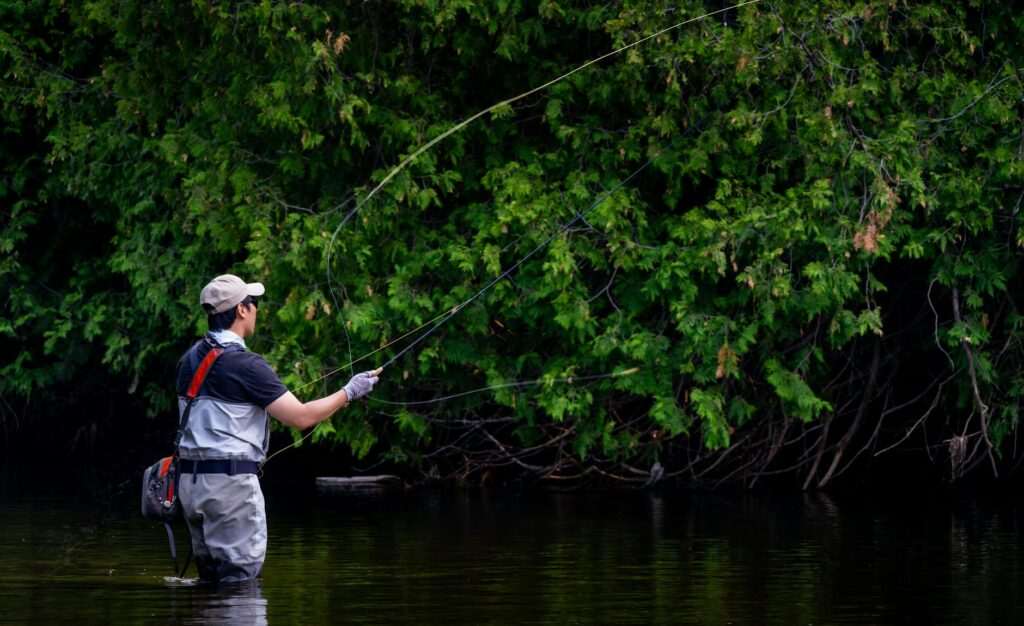
Anchorage offers something no other American city can match: world-class salmon fishing within city limits. Ship Creek runs through the industrial heart of downtown, and during peak season, anglers in hip waders stand shoulder to shoulder below the bridge catching king and silver salmon within sight of office buildings. Beyond the city, the Kenai River, Cook Inlet, and surrounding waters are among the most productive salmon fisheries on earth. This guide covers where to fish, when the runs peak, and how to plan a salmon trip from Anchorage in 2026.
Ship Creek: Urban Salmon Fishing in Downtown Anchorage
Ship Creek is the defining Alaska fishing experience for Anchorage visitors who aren’t planning a remote charter. The creek empties into the Knik Arm just north of downtown, and returning salmon pile into the tidal reach and lower channel during their upstream migration. The fishery is urban — you’re casting alongside a railroad yard, within earshot of traffic — and that contrast is exactly the point. Few places on earth let you catch a 40-pound king salmon from a city bridge.
Access is straightforward. Park in the downtown area or use the Ship Creek lot off North C Street. Waders are recommended but not required for bank fishing. The most productive spots are the lower tidal flats (for kings early in the run) and the creek channel above the dam. The dam itself is a visual reference point — fish staging below it are visible during low tide and the fishing can be intense when the run is peaking.
King Salmon Run Timing at Ship Creek
King (Chinook) salmon begin entering Ship Creek in earnest in mid-June and peak through early July. The run can vary by a week or two depending on water temperature and snowmelt timing, but late June is statistically the most productive window. Kings are the largest and most prized — fish in the 20–50 pound range are common, with occasional fish pushing 70–80 pounds during banner years. The season typically closes in late July once the run concludes.
A note on crowds: Ship Creek fishing during the king run draws serious anglers who’ve been planning this trip for months. Lines of waders working the productive holes, early arrivals staking out the best bank positions, and daily limit discussions are all part of the scene. Arrive early, be courteous, and don’t expect solitude — this is a social urban fishery during its peak.
Silver Salmon at Ship Creek
Silver (Coho) salmon arrive after the kings, typically from late July through September, with peak fishing in August. Silvers are smaller (8–15 pounds typical) but fight hard and are arguably better eating than kings. The creek sees consistent silver action into early fall, and the crowds thin compared to king season — shoulder-season timing at Ship Creek is a legitimate insider move for quality fishing with less competition.
Pink Salmon and Chum: The Overlooked Runs
Pink (humpback) salmon run in even-numbered years in enormous numbers and are active in the Ship Creek system and surrounding waters in July and August. They’re the smallest of the Pacific salmon species (4–6 pounds) but extremely aggressive and strike readily. In even-year summers, Anchorage-area streams can see pink runs dense enough that anglers have been known to limit out in under an hour. Chum (dog) salmon also enter the creek system in late summer and run larger than pinks, though they’re softer-fleshed and less prized for table fare.
Alaska Fishing License Requirements
Non-resident anglers need an Alaska sport fishing license ($25 for 1 day, $70 for 3 days, $145 for 14 days in 2026) plus a king salmon stamp ($25) to target king salmon legally. The license covers all other salmon species without an additional stamp. Licenses are available at Fred Meyer, Sportsman’s Warehouse, and many tackle shops throughout Anchorage, or online through the Alaska Department of Fish & Game. Do not fish without a license — Fish & Game enforcement on Ship Creek is active during peak season.
Gear and Tackle for Ship Creek
For kings at Ship Creek, a medium-heavy spinning or casting rod in the 8–10 foot range handles the current and the weight of large fish. Common effective lures include spinners (Blue Fox Vibrax, Mepps), spoons, and bait (cured salmon eggs are highly effective when legal — check current regulations). For silvers, lighter tackle works — a 7–8 foot medium-action rod is standard. Waders and wading boots give you access to the most productive positions; felt soles are prohibited in Alaska, so bring rubber-soled wading boots.
Guided Charter Operators for Kenai River
The Kenai River, approximately 2–2.5 hours south of Anchorage on the Sterling Highway, produces some of the largest king salmon on the planet. World-record-class fish come from the Kenai, and the river has been the focus of Alaskan sport fishing culture for decades. Guided half-day and full-day trips are the standard approach for visitors who want to fish the Kenai without navigating the regulations and access logistics independently.
Alaska Fishing Adventures operates guided trips on the Kenai and surrounding waters, with full equipment included. Fishermans Choice Charters is another established operator with Kenai River experience and combo options that include halibut and salmon in a single day. Both offer drift boat trips and bank fishing guide services depending on the current regulations governing each section of the river.
Cook Inlet Saltwater Fishing
Cook Inlet saltwater salmon fishing targets kings and silvers moving through the Inlet on their way to tributary rivers — including Ship Creek. Cook Inlet Charters operates from the Anchorage-area waterfront with combo salmon and halibut trips. Halibut are a natural add-on to any salmon charter in Cook Inlet — the fish run large and the meat is excellent. Saltwater halibut + salmon combo charters typically run a full day and cover both species, which makes the per-species cost reasonable for anglers who want a variety trip.
Bird Creek: Accessible Salmon Fishing South of Anchorage
Bird Creek, approximately 25 miles south of Anchorage on the Seward Highway, provides an accessible alternative to Ship Creek for pink and silver salmon. The creek runs along the Turnagain Arm shoreline and draws fish from the inlet in season. No guides are required — park at the Bird Creek campground or day-use area, walk to the creek mouth or lower channel, and fish. Pink salmon here in even-numbered years can border on ridiculous — dense runs with aggressive fish that make for excellent sport on light tackle.
Keeping Your Catch: Processing and Shipping
Anchorage has several fish processing services that can clean, vacuum-seal, and prepare your catch for airline transport or shipping. Most charter operators can refer you to local processors; several operate near the Ship Creek area. Frozen salmon packed in insulated boxes can be checked as airline luggage — call your airline for current policies on checked fish coolers. A chest cooler with dry ice, rented at most processors, keeps fillets frozen for the transit home. Same-day processing with overnight freezing is the standard workflow.
Fishing Regulations Overview
Alaska fishing regulations change annually and can vary by specific creek section, species, and date. Always consult the current year’s Alaska DFG Sport Fishing Regulation Summary booklet (available free at tackle shops and the DFG office) before fishing any Anchorage-area water. Key points for 2026: check current bag limits for each species at Ship Creek (these are managed closely due to run strength assessments), confirm whether bait fishing is currently permitted in the sections you plan to fish, and verify the season dates for each species. Regulations that applied last year may not apply this year.
Kenai Peninsula Day Trip Planning
The Kenai Peninsula is reachable as a day trip from Anchorage, though a two-day visit better fits a serious fishing itinerary. The drive to Soldotna (Kenai River access hub) takes about 2.5 hours via the Seward Highway and Sterling Highway — a spectacular drive past Turnagain Arm, through Girdwood, and across the Kenai lowlands. Lodging in Soldotna or Kenai runs significantly cheaper than Anchorage, and many anglers base themselves there for river fishing and cook their own catch at campground facilities or a rental cabin. If doing a single day trip, leave Anchorage by 5 AM to reach the river early and return by evening.
Beginners vs. Experienced Anglers
Ship Creek is genuinely accessible to beginner anglers — the fish are there in season, the access is simple, and the regulated fishery means the basics are well-documented. Beginners benefit from hiring a local guide for at least the first session to learn the productive spots, the most effective presentations for the current conditions, and the nuances of reading tidal influence on the creek. Experienced anglers already comfortable reading river currents and selecting tackle can fish Ship Creek independently and do well without a guide.
For the Kenai River, guiding is strongly recommended regardless of experience level. The river is large, the regulations are complex, and productive drift fishing requires specific local knowledge about run timing on specific sections. A good Kenai guide puts clients on fish consistently; self-guided trips to the Kenai often result in a beautiful drive and no fish.
Featured photo by Beth Fitzpatrick on Pexels.


No comments yet.