
Rock Climbing Near Anchorage 2026: Outdoor Crags, Indoor Gyms & Bouldering
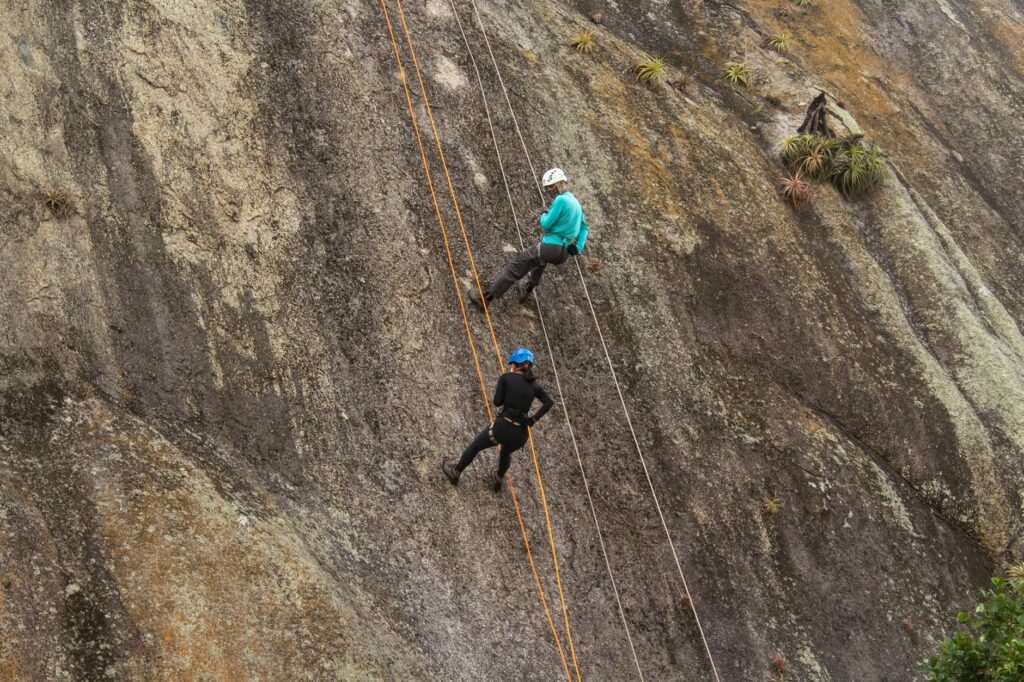
Alaska is better known for big mountains than for sport climbing crags, but the rock climbing accessible from Anchorage covers surprising range: multi-pitch granite in Hatcher Pass, sport and trad routes at Eklutna Canyon, a well-equipped indoor gym for year-round training, and a climbing community deep enough to support mentorship programs, club routes, and guided instruction for beginners. Whether you’re a first-timer looking for an introduction or an experienced climber wanting to know where the local rock is, here’s what you need to know about climbing in and around Anchorage in 2026.
Eklutna Canyon: Closest Outdoor Crags to Anchorage
The Eklutna Canyon area, roughly 40 minutes northeast of Anchorage via the Glenn Highway, is the most accessible outdoor climbing destination in the region. The canyon is better known for its ice climbing in winter, but the same formations offer rock routes through the summer months — primarily sport and top-rope lines on the canyon walls, with some trad possibilities in the upper reaches. The rock is predominantly schist and granite, with characteristics that differ from the Hatcher Pass granite but offer their own interest for visitors who want to climb close to the city.
The canyon is a multi-use area shared with hikers and, in winter, ice climbers, so expect to encounter other trail users and be courteous with line of sight and falling debris near established routes. Approach times are short — most climbing sectors are within 20–30 minutes of the trailhead — making Eklutna Canyon viable for a half-day session or an after-work climb during Anchorage’s long summer days. Conditions are best from late June through September; early season can bring lingering snow in shaded sections of the approach.
Hatcher Pass: Granite Bouldering and Trad Routes
Hatcher Pass, about an hour north of Anchorage beyond the Matanuska Valley, is the most serious rock climbing destination accessible as a day trip from the city. The pass sits at elevation — roughly 3,800 feet at the summit — and the surrounding terrain offers granite bouldering fields and longer trad routes on the higher faces. The rock quality is excellent by Alaska standards: solid granite with good friction and interesting feature variety, more reminiscent of a Pacific Northwest alpine crag than the polished sport crags of the Lower 48.
Bouldering circuits in the Hatcher Pass area are scattered across the open tundra and subalpine zones, with problems ranging from moderate single moves to committing highball lines that require spotters and crash pads. The area lacks the defined guidebook infrastructure of more developed destinations — beta travels through the local climbing community rather than from commercially available topos — which means local knowledge is valuable. The Mountaineering Club of Alaska (MCA) maintains information about established routes and is the best resource for visitors wanting specific beta. Snow can persist into July at the higher sectors; check before driving up, as the access road can be closed for extended periods after late-season storms.
Alaska Rock Gym: The City’s Primary Indoor Climbing Facility
For year-round climbing in Anchorage, Alaska Rock Gym is the hub. The gym offers top-rope, lead, and bouldering walls, with a range of setting difficulty that accommodates beginners through advanced climbers. Day passes are available for visitors without memberships, and the gym’s rental equipment program covers harnesses, shoes, and belay devices — so you can show up without gear and get on the wall the same day.
Alaska Rock Gym runs a structured beginner instruction program with learn-to-climb classes and belay certification, which is the right entry point for visitors who have never climbed indoors before. The gym’s setting team rotates problems and routes regularly, keeping the terrain fresh for members and offering visiting climbers a representative sample of the local climbing culture. Hours extend into the evening, which pairs well with Anchorage’s long summer daylight — it’s fully light outside until 10 PM in June and July, and the gym gives you a controlled environment to build technique on days when the weather discourages outdoor climbing.
Bouldering in Anchorage
Alaska Rock Gym’s bouldering cave is the primary in-city bouldering option, with a competition-style overhang section and moderate featured terrain suited to all skill levels. For visitors specifically interested in bouldering rather than roped climbing, the gym provides enough variety for a productive session without requiring a lead belay partner.
Outdoor bouldering is primarily located in the Hatcher Pass area rather than within the city limits or immediate foothills. The Chugach Front Range has some informal bouldering circuits, but the rock quality and established problem density is significantly lower than Hatcher Pass. If bouldering is your primary objective, Hatcher Pass is worth the drive; if you want to build movement skills before heading out, the Alaska Rock Gym bouldering section is the practical starting point.
Guided Climbing Instruction and Beginner Lessons
First-time climbers and visitors without local partners have several options for getting on outdoor rock with professional guidance. Alaska Adventure Guides offers guided climbing experiences that pair instruction with access to Southcentral Alaska’s outdoor rock — appropriate for visitors who want to learn outdoor skills rather than starting in the controlled environment of an indoor gym. Guide services typically cover gear, instruction, route selection appropriate to the group’s ability, and the logistical knowledge that makes Alaska outdoor climbing accessible to people without local experience.
Alaska Mountaineering and Hiking operates across the broader range of Southcentral Alaska alpine objectives, including guided climbing on longer routes appropriate for climbers looking to step beyond single-pitch rock and into multi-pitch or alpine terrain. The progression from sport climbing to alpine objectives is a natural path for Anchorage-based climbers, and guided instruction in that direction is available from several operators serving the region.
Alaska Rock Climbing Season: June Through September
The outdoor climbing season in the Anchorage area runs roughly June through September, with the peak window being July and August. June can bring late-season snow on the higher sectors of Hatcher Pass and Eklutna Canyon approach trails, and some routes remain wet from snowmelt into early July. August is typically the most reliable month for dry rock and settled weather. September offers excellent conditions on many crags — cooler temperatures that improve friction on granite, drier air, and less foot traffic — but the window can close quickly with early-season storms, and some higher-elevation routes become icy or snow-covered by late September.
Alaska weather is notoriously variable at altitude. A clear morning in Anchorage can become an afternoon rainstorm on Hatcher Pass. Pack a rain shell regardless of the forecast, carry more layers than you think you need, and have a flexible turnaround plan for any day objective. Daylight is not the limiting factor in summer — you’ll have 19+ hours of light in late June — but weather windows close and rock gets wet faster than Lower 48 climbers expect in their first Alaska season.
Gear and Rentals in Anchorage
Alaska Outdoor Gear Rental covers climbing hardware alongside other outdoor equipment, making it a practical resource for visitors who want to try outdoor climbing without investing in a full rack before the trip. For those planning to purchase, Big Ray’s is one of the longest-established outdoor equipment retailers in Anchorage, with climbing hardware alongside general outdoor gear for Alaska conditions.
Alaska Rock Gym rents shoes, harnesses, and belay devices at the gym for indoor climbing. For outdoor objectives, guide services typically include technical gear in their package pricing — ask when booking whether personal harness and helmet are included or whether to bring your own.
Leave No Trace Ethics at Alaska Crags
Alaska’s climbing areas are largely undeveloped and unpatrolled, which means climbers are directly responsible for the state they leave behind. A few principles specific to Alaska crags:
- Pack out everything. There are no trash services at Alaska crags. Every piece of packaging, tape, and food waste comes home with you.
- Stay on established trails. The alpine tundra surrounding Hatcher Pass is fragile and slow to recover from traffic. Use rock or established social trails where they exist, and avoid creating new trails through vegetation.
- Minimize chalk impact. Colored chalk to reduce visual impact is preferred at crags that have established low-impact norms. Brush holds after sessions to remove excessive chalk buildup.
- Respect wildlife corridors. The Eklutna and Hatcher areas have active bear and moose populations. Camp food and scented items securely if overnighting near climbing areas. Give wildlife appropriate distance and don’t approach animals to pass them on approach trails.
Mountaineering Club of Alaska: Community and Route Beta
The Mountaineering Club of Alaska (MCA) is the primary organizing body for recreational climbing in Southcentral Alaska, running scheduled group hikes, climbs, and mountaineering trips throughout the season with difficulty ratings ranging from beginner to advanced. For visitors who want to meet local climbers and access current beta on Anchorage-area crags, showing up to an MCA trip is the most direct route. The club’s trip schedule and membership information are published on their website; many visitors attend a single trip as a guest before deciding whether to join.
The MCA also maintains a library of route information, particularly for objectives in the Chugach Mountains and Talkeetna Range that are not covered by commercial guidebooks. For serious climbers planning multi-day objectives beyond Hatcher Pass, the MCA’s network and resources are the starting point.
Trad, Sport, and Bouldering: A Quick Reference
- Sport climbing (bolt-protected routes): Available at Eklutna Canyon and some developed sectors elsewhere in Southcentral Alaska. Requires lead belay competency or top-rope setup. Best option for climbers transitioning from indoor to outdoor.
- Trad climbing (gear-protected routes): Available at Hatcher Pass and Eklutna Canyon upper routes. Requires rack and trad lead experience. Alaska trad climbing often sits in more committing terrain than similarly graded routes at developed Lower 48 crags — be conservative with grade assumptions.
- Bouldering: Primarily Hatcher Pass granite, with indoor options at Alaska Rock Gym. No ropes required; crash pad recommended for outdoor problems. Problems can be serious highballs — scope routes from the ground before committing.
Featured photo by Felipe Queiroz on Pexels.
No comments yet.