
Kayak Fishing Near Anchorage 2026 — Lakes, Rivers & Cook Inlet Spots
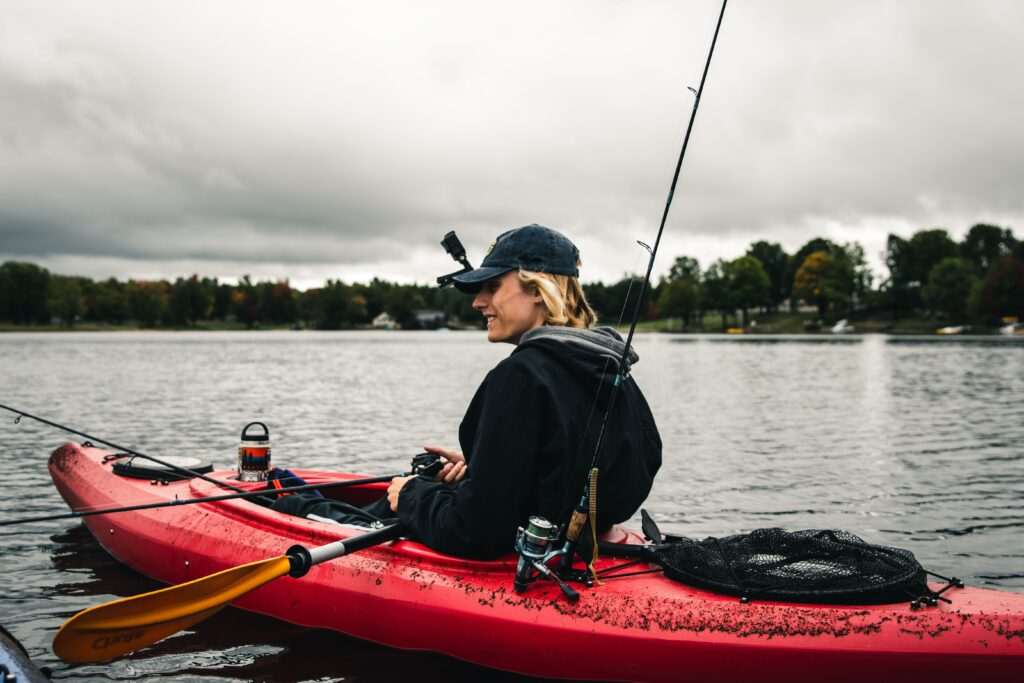
Kayak fishing near Anchorage combines two things Alaska has in abundance: navigable water and fish worth catching. The kayak gives access that a shore angler cannot reach and flexibility that a motorized charter cannot provide — the ability to hold position over a productive spot, move quietly without spooking fish in shallow water, and access creek mouths, lake shallows, and tidal flats that larger boats pass by. Within an hour of Anchorage, you can kayak fish a glacial lake for rainbow trout, a creek mouth for silver salmon stacked in tidal water, or a coastal flat for halibut with Cook Inlet opening behind you. The species roster changes by location and month. The access is consistent: most of the best kayak fishing near Anchorage is within forty miles of downtown.
Why Kayak Fishing Works in Alaska
Alaska fishing is dominated by shore angling and guided charters, which leaves a practical gap for kayak anglers who want something in between. Shore fishing puts you where the bank allows. A charter puts you where the captain decides. A kayak lets you position precisely over structure visible through clear water, follow salmon moving up a creek channel, or hold in a tidal rip at the exact depth where fish are holding. The draft required is inches, not feet. The noise profile is near zero. In the right environment, kayak fishing outperforms both alternatives — not because it covers more water, but because it covers the right water with more precision.
Eklutna Lake
Eklutna Lake, thirty-five miles northeast of Anchorage via the Glenn Highway, is one of the best kayak fishing environments in Southcentral Alaska for lake trout and rainbow trout. The lake is glacially fed, several miles long, and accessible from a campground and day-use area at its southern end. The water is cold year-round, which keeps fish active in summer when shallower lakes slow down. Trolling lures along the deeper portions of the lake or working the inlet streams at the north end produces consistent results through the open-water season.
Lifetime Adventures at Eklutna Lake rents kayaks and canoes from the campground concession — a practical option for visitors without their own gear who want to fish without committing to a shuttle. The launch is straightforward and the lake is calm on most summer mornings before afternoon winds develop. An Alaska sport fishing license with the appropriate freshwater stamp is required; confirm current regulations for Eklutna Lake specifically before fishing, as special restrictions may apply to certain species.
Bird Creek
Bird Creek, twenty-five miles south of Anchorage at mile 101 of the Seward Highway, produces some of the most accessible salmon fishing near the city. The creek mouth opens into a tidal section of Turnagain Arm where pink salmon arrive in July and silver salmon follow in August and September. Bird Creek fishing draws shore anglers in force during peak runs, but a kayak allows access to the tidal channel from water rather than bank — a significant positional advantage when fish are holding in the center of the creek mouth away from the shore crowd.
The tidal section of Bird Creek requires timing awareness. Turnagain Arm has extreme tidal swings — among the greatest in North America — and the creek mouth flats that are navigable at mid-tide are exposed mud at low tide and flooded at high tide. Launch at mid-incoming tide, fish the flood, and be off the water before the bore tide arrives. A tide chart specific to Turnagain Arm is essential equipment on every Bird Creek kayak fishing trip.
Ship Creek
Ship Creek runs through downtown Anchorage and produces king salmon and silver salmon within a mile of the city center — one of the more unusual urban fishing situations in North America. The lower section of Ship Creek near the Port of Anchorage is accessible on foot, but a kayak allows positioning in the tidal channel below the hatchery outflow where returning kings and silvers hold before moving upstream. King salmon arrive in June; silvers run August through September. The creek is heavily fished by shore anglers during peak runs; kayak access shifts the competition dynamic by putting you in the water column rather than on the bank.
Regulations on Ship Creek are specific and worth reading carefully before fishing — sections are designated flies-only or catch-and-release only during portions of the season. Check current Alaska Department of Fish and Game regulations before launching.
Cook Inlet Access Points
Cook Inlet halibut fishing from a kayak is possible from several access points south of Anchorage, though it is a serious undertaking that differs fundamentally from lake and creek fishing. Cook Inlet is a high-tidal-energy body of water with rips, standing waves, and current changes that require kayak-specific experience to navigate safely. The halibut are real — fish over 100 pounds are caught here — but the environment demands respect. Launch from protected coves on incoming tides, stay within your experience level, and do not fish Cook Inlet from a kayak without prior experience in tidal water.
For visitors who want the Cook Inlet species without the tidal complexity, Alaska Fishing Adventures runs guided Cook Inlet and Turnagain Arm fishing charters with experienced captains who know current conditions. A guided trip provides access to the same water with built-in safety margins and local knowledge that a solo kayak angler would take a season to develop.
Target Species by Location
Eklutna Lake targets rainbow trout and lake trout year-round with a peak in late spring and fall. Bird Creek targets pink salmon in July and silver salmon in August through September. Ship Creek targets king salmon in June and silver salmon through September. Cook Inlet access points target halibut on bottom structure and king or silver salmon in the tidal rips depending on the month. An Alaska sport fishing license covers all these locations; individual species may require additional stamps or endorsements depending on current regulations — verify before each trip.
Gear and Safety
A sit-on-top kayak is the most practical platform for fishing in Alaska conditions — stable enough to fight a large fish, easy to relaunch if capsized, and manageable solo in light current. Sit-inside kayaks are faster but less forgiving in the tidal and creek environments most common near Anchorage. A paddle leash keeps your paddle attached when both hands are on the rod. A personal flotation device is required by law and should be worn, not stowed — Alaska water temperatures run 38°F to 52°F in summer, which limits useful time in the water to minutes without a drysuit or wetsuit.
Waders are useful for launch and retrieval on rocky creek banks. A rod holder mounted to the kayak keeps your hands free for paddling between spots. Chest-mounted tackle storage systems designed for kayak fishing keep gear accessible without blocking the deck. A waterproof bag or dry compartment for electronics, licenses, and car keys is non-optional in any of these environments.
Where can I kayak fish near Anchorage?
The four primary kayak fishing environments near Anchorage are Eklutna Lake (lake trout, rainbow trout), Bird Creek at Turnagain Arm (pink and silver salmon), Ship Creek in downtown Anchorage (king and silver salmon), and Cook Inlet access points south of the city (halibut, king salmon). Each requires different tidal or seasonal timing — check Alaska Department of Fish and Game run reports before any trip.
Do I need a license to kayak fish near Anchorage?
Yes — an Alaska sport fishing license is required for all fishing in Alaska waters, including all locations near Anchorage. Licenses are available online through the Alaska Department of Fish and Game website or at local sporting goods retailers including REI and Cabela’s in Anchorage. Certain locations and species require additional endorsements; check current regulations for your specific target species and location before fishing.
Can I rent a kayak for fishing near Anchorage?
Lifetime Adventures at Eklutna Lake rents kayaks and canoes at the lake campground — the most accessible rental option for fishing specifically. Prince William Sound Kayak Center rents sea kayaks for coastal and inlet environments. For creek and tidal fishing at Bird Creek or Ship Creek, most anglers launch their own boats or use rental kayaks that accept light loads; confirm fishing-specific use when booking.
Is Cook Inlet safe for kayak fishing?
Cook Inlet requires significant caution for kayak anglers. The tidal range and current speeds create conditions that change rapidly — protected coves at slack tide can become dangerous within an hour as the current builds. Kayak fishing Cook Inlet is appropriate for experienced paddlers with tidal water training, a float plan filed with someone onshore, and proper cold-water immersion gear. First-time Cook Inlet anglers are better served by a guided charter that provides built-in safety infrastructure.
Kayak fishing near Anchorage rewards the angler who does the homework — on tides, run timing, regulations, and gear — and treats the water with appropriate seriousness. The fish are genuinely there. The access is genuinely good. Get the license, check the tide, and launch early.
Featured photo by Harrison Fitts on Pexels.

No comments yet.