
Anchorage to Seward Drive 2026: Scenic Road Trip Guide & Best Stops
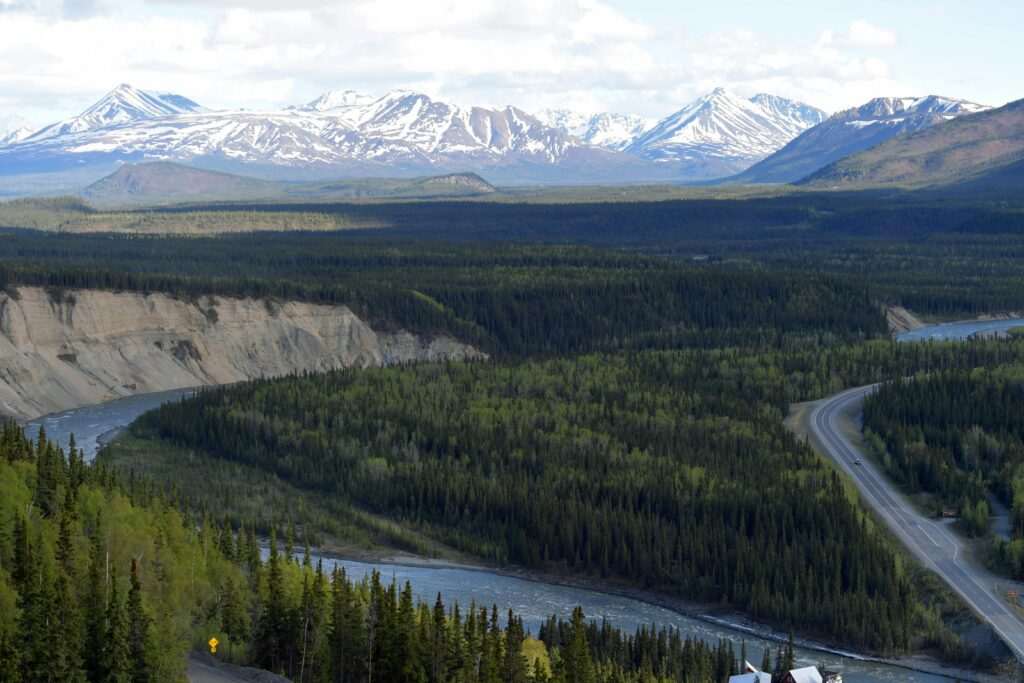
The Seward Highway is one of those drives that earns the superlatives. Consistently ranked among the most scenic drives in North America, the 127-mile route from Anchorage to Seward tracks along Turnagain Arm — a tidal inlet hemmed by cliffs and glacier-carved peaks — before climbing through Turnagain Pass and descending into the Kenai Peninsula toward Resurrection Bay. The drive takes about 2.5 hours nonstop. Nobody drives it nonstop.
Here’s how to do the Anchorage to Seward drive in 2026 — what to stop for, when to go, what the road throws at you, and what to do once you arrive in Seward.
Route overview
The drive follows the Seward Highway (AK-1 from Anchorage, transitioning to AK-9 after Portage) south from downtown Anchorage along the north shore of Turnagain Arm. After roughly 50 miles, the highway turns south through Portage Valley and then climbs to Turnagain Pass before descending into the Kenai Peninsula’s spruce and birch forests. At the Tern Lake Junction (Mile 37 from Seward), the Sterling Highway splits west toward Homer and the lower Kenai Peninsula; staying on AK-9 takes you south through Moose Pass to Seward and Resurrection Bay.
Total: ~127 miles. Typical drive time without stops: 2.5 hours. With meaningful stops: 4–6 hours. Most visitors heading to Seward build the drive into a full day from Anchorage.
For a detailed listing of the highway’s pullouts, milepost markers, and official points of interest, the Seward Highway Scenic Drive page covers the full corridor.
Turnagain Arm: the first 50 miles
The first stretch of the drive — from Anchorage to Portage — runs directly alongside Turnagain Arm, and it’s where the most dramatic roadside scenery concentrates. The Chugach Mountains rise almost vertically from the water on the south side of the arm. Dall sheep regularly appear on the cliffs above the highway, particularly between Windy Corner (Mile 106) and Bird Creek. Look for white shapes on ledges a few hundred feet above the road — in summer, they’re often clearly visible without binoculars.
Beluga Point — Mile 110
Beluga Point is the most visited pullout on Turnagain Arm and one of the best places in Alaska to see wild beluga whales from shore. It’s also an excellent spot for watching the bore tide — a tidal bore that travels up the arm on incoming tides, forming a visible wave front that moves against the current. The timing of both depends on the tide tables; a rising tide brings belugas into the shallower water near the arm and pushes the bore tide inland. The pullout has paved parking and interpretive signage about 20 miles from Anchorage.
Bird Creek — Mile 101
Bird Creek is primarily known as a fishing spot — silvers and kings run into the creek from mid-July onward, and the creek bank gets busy during peak runs. It’s also consistently productive for beluga sightings when the salmon are running, since the whales follow the fish. Black bears occasionally appear along the creek in the morning during salmon season; if you’re stopping here early in the day, scan the brush before you walk toward the water.
Portage Valley — Mile 79 Turnoff
At Mile 79, a spur road leads 5 miles into Portage Valley toward Portage Lake and the Portage Glacier. This is one of the most accessible glacier experiences near Anchorage — Portage Glacier Tours runs the MV Ptarmigan, a small cruise vessel that takes passengers directly up to the glacier face on Portage Lake. The boat tour lasts about an hour and brings you close enough to hear calving ice. Even without the boat, the valley itself — ringed by peaks, with the lake visible at the end — is worth the 10-minute detour off the main highway.
Turnagain Pass and beyond
South of Portage, the highway climbs away from the arm and enters Turnagain Pass — an avalanche-prone corridor that’s closed periodically in winter but spectacular year-round. The pass tops out around 1,000 feet, surrounded by steep mountain faces and alpine meadows. In late spring, snowfields persist on the upper slopes well into June while wildflowers are already blooming at the roadside. Summit Lake, about 10 miles south of the pass, is a clean glacially fed lake with a pullout and a small roadside lodge.
The Tern Lake Junction at Mile 37 marks the split between the Seward Highway and the Sterling Highway. If you’re heading to Homer or the Kenai River, bear right. For Seward, stay left on AK-9.
Moose Pass
Moose Pass is a small community at Mile 30 from Seward, worth a brief stop to stretch and get a sense of how Southcentral Alaska’s small highway towns feel. The community sits between steep forested walls on the Upper Trail Lake drainage. It’s quiet, genuinely small (population under 250), and a reminder that the drive is passing through actual inhabited Alaska rather than a tourist corridor.
Arriving in Seward
The highway descends into Seward along Resurrection Bay — a deep fjord that opens toward the Gulf of Alaska. The final miles, as the mountains narrow around the town and the bay comes into view, are among the most dramatic on the whole route. Seward sits at the far end of the road: a historic fishing port, the terminus of the Alaska Railroad, and the gateway to Kenai Fjords National Park.
Kenai Fjords National Park boat tours
A Kenai Fjords day cruise is the main event for most visitors to Seward. The tours run out of the small boat harbor and range from 4-hour half-day trips through Resurrection Bay to full-day 8–9 hour voyages out past the Kenai Fjords wilderness coastline. The wildlife density on the full-day tours is exceptional — humpback whales, orcas, Dall’s porpoise, sea otters, Steller sea lions, and a concentrated seabird colony at the Chiswell Islands that includes puffins, murres, and kittiwakes. Major Marine Tours operates out of Seward with multiple daily departures throughout summer and includes a hot meal on longer tours. Seward Ocean Excursions offers an alternative with smaller vessel options for more flexible itineraries.
Exit Glacier
Exit Glacier is a 9-mile drive from downtown Seward into the Kenai Fjords park. It’s one of the few glaciers in the park accessible by road, and the main trail brings you to within a short walk of the ice. Year markers along the Harding Icefield Trail show how far the glacier has retreated in recent decades — a stark and genuinely striking geological record. The upper Harding Icefield Trail (8.2 miles round trip, 3,000 feet of gain) is one of the best day hikes in the Kenai Peninsula if you have the energy after the drive.
Alaska SeaLife Center
The Alaska SeaLife Center is Seward’s anchor cultural institution — a marine research center and aquarium that houses harbor seals, Steller sea lions, seabirds, and a large exhibit on Gulf of Alaska marine life. It’s particularly good for seeing species up close that are hard to observe clearly on open-water boat tours. Worth 1.5–2 hours if you’re spending the night in Seward or want an indoor option on a wet afternoon.
Driving tips
- Wildlife on the road: Moose are common year-round on the Seward Highway, particularly in the forested sections south of Portage. Dawn and dusk are highest-risk windows. Drive the speed limit and scan the shoulders — moose on the pavement at night are one of Alaska’s most serious highway hazards.
- Pullout etiquette: When stopping to look at wildlife, pull completely off the pavement before stopping. Hazard lights on. Don’t stop in traffic lanes — the road is two lanes in most sections and vehicles pass at speed.
- Highway conditions: The Seward Highway is fully paved and maintained year-round, but Turnagain Pass gets heavy snow accumulation in winter and the road can be icy or closed during avalanche control. Check 511.alaska.gov for current conditions before a winter drive.
- Fuel: Fill up in Anchorage before leaving. There are limited fuel options between Anchorage and Seward. The gas station in Moose Pass is a reasonable emergency stop but prices run high. Seward has multiple fuel stations.
- Cell service: Spotty to nonexistent through the Turnagain Pass section. Download offline maps before you leave Anchorage if you’re relying on navigation.
Best time to drive
June through August is the peak window, with the most reliable weather, the most daylight (Anchorage gets 19+ hours in June), and the best odds of clear views into the peaks above Turnagain Arm. The bore tide and beluga sightings are most active in summer when the salmon runs push fish into the arm. However, the highway is beautiful in every season:
- Spring (April–May): Waterfalls running hard from snowmelt, patches of snow on the peaks above bare valley floors — the contrast is dramatic. Fewer crowds, shoulder season prices in Seward.
- Fall (September–October): The Kenai Peninsula’s birch forest goes gold and orange, and the low-angle autumn light on the peaks around Turnagain Arm is extraordinary. Bears are actively feeding before hibernation; moose are in rut. Quieter than summer.
- Winter: Turnagain Pass is a popular backcountry skiing and snowmobile area. The highway can close for avalanche control, and daylight is short, but the scenery in clear winter conditions — steep white faces, frozen lake inlets, the dark spruce forest — is unlike summer.
How long does the Anchorage to Seward drive take?
The drive is about 127 miles and takes approximately 2.5 hours without stops. With meaningful stops at Beluga Point, Portage Valley, Turnagain Pass, and Moose Pass, plan 4–6 hours. Most visitors heading to Seward for a Kenai Fjords boat tour build the drive into a full day from Anchorage, leaving in the morning and returning in the evening after their tour.
What are the best stops on the Seward Highway between Anchorage and Seward?
Beluga Point (Mile 110) for bore tide and beluga whale watching, Bird Creek (Mile 101) for salmon fishing and wildlife, the Portage Valley spur (Mile 79 turnoff) for Portage Glacier and the Portage Glacier boat tour, Summit Lake in Turnagain Pass for a scenic rest, and Moose Pass (Mile 30 from Seward) for a quiet highway-town stop.
What should I do in Seward after the drive?
A Kenai Fjords boat tour from the Seward small boat harbor is the top activity — Major Marine Tours and Seward Ocean Excursions both run full-day and half-day options with excellent wildlife. Exit Glacier, accessible by a 9-mile road from downtown Seward, gives you up-close glacier access and a challenging day hike option. The Alaska SeaLife Center is worthwhile for marine exhibits featuring harbor seals and Steller sea lions.
Are there bore tides on the Anchorage to Seward drive?
Yes — Turnagain Arm has one of the world’s largest bore tides, visible from pullouts along the Seward Highway between Anchorage and Portage. The bore tide timing is tied to the tidal cycle; it’s most dramatic 2–3 hours after low tide as the incoming water pushes up the arm as a visible wave. Beluga Point (Mile 110) and McHugh Creek (Mile 112) are the best viewing spots. Check tide tables before you leave Anchorage so you can time your stop.
The Anchorage to Seward drive is the kind of route that convinces people to skip whatever they planned to do in Seward and just drive it again. It doesn’t require planning beyond filling your tank, checking the tide table, and leaving enough time to stop whenever something catches your eye — which happens often.
Featured photo by John De Leon on Pexels.


No comments yet.