
Alaska Summer Activities Opening Guide 2026
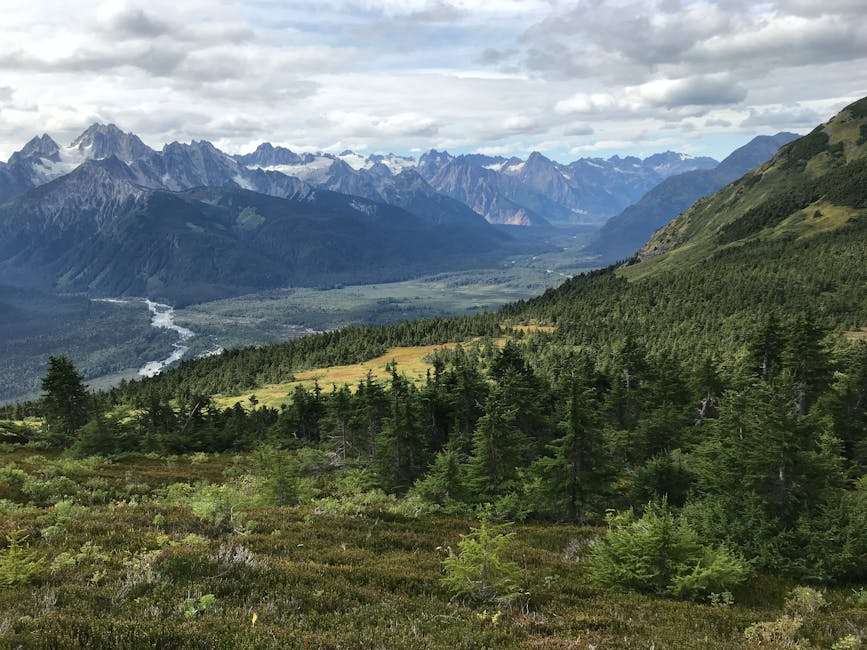
Planning for Alaska summer activities in 2026? The season doesn’t just magically start on June 1st. From late April through early June, Alaska’s outdoor adventure industry awakens in stages: trails shed snow, fishing charters launch their boats, tour operators dust off equipment, and wildlife viewing reaches prime timing. Knowing when everything opens—and how to prepare for early-season conditions—makes the difference between a smooth adventure and a frustrating scramble.
This opening guide covers the essential schedules, preparation tips, and insider knowledge you need for Anchorage outdoor activities in May and beyond. Whether you’re booking fishing charters for peak salmon runs or planning hiking adventures as trails become accessible, here’s your comprehensive roadmap to Alaska’s summer season.
When do Alaska hiking trails open for summer 2026?
Most Alaska hiking trails around Anchorage follow a predictable opening pattern, but elevation and exposure create significant variations. Tony Knowles Coastal Trail stays accessible year-round, but prime hiking conditions begin in early May. Flattop Mountain Trail typically opens for safe hiking by mid-to-late May, depending on snowpack.
Family-friendly options like Middle Fork Loop Trail in Eagle River usually clear by early May, while higher-elevation challenges such as Williwaw Lakes Trail don’t fully open until June. The Alaska State Parks system doesn’t publish exact opening dates—conditions vary year by year—but local hiking groups and recent trip reports provide the most accurate real-time information.
**Trail Opening Timeline (Typical Schedule):**
– **Late April**: Coastal and low-elevation trails become accessible
– **Early May**: Popular day hikes like Campbell Creek and Gasline trails clear
– **Mid-May**: Moderate elevation trails including Flattop and Bird Ridge open
– **Late May-Early June**: High alpine routes and backcountry trails become safe
Fishing charter season launches: timing and species schedules
Alaska fishing charters operate on strict seasonal schedules tied to salmon runs and halibut availability. Most Anchorage-based operators like Alaska Fishing Adventures and Cook Inlet Charters begin limited operations in early May, with full schedules launching by Memorial Day weekend.
**2026 Fishing Season Schedule:**
– **Early May**: Halibut fishing opens in Cook Inlet, weather permitting
– **Mid-May**: King salmon fishing begins, though runs peak later
– **Late May**: Silver salmon fishing starts in some areas
– **June-August**: Peak season for all species, daily departures
– **September**: Season winds down, weather becomes unpredictable
Booking early matters. Prime dates during Memorial Day weekend and peak summer fill months in advance. Many charter operators offer “weather guarantee” policies during shoulder season, allowing rebooking if conditions force cancellations.
Tour operator summer schedule rollouts
Alaska tour operators don’t all launch simultaneously. Major Marine Tours typically begins Prince William Sound departures in mid-May, while helicopter tour companies often wait until late May for optimal flying conditions. Ground-based tour operators have more flexibility but still coordinate with seasonal road access and wildlife viewing opportunities.
**Tour Industry Opening Pattern:**
– **May 1-15**: Glacier tours and wildlife viewing begin limited schedules
– **May 15-30**: Full summer itineraries launch, daily departures start
– **Memorial Day Weekend**: Peak scheduling begins, advance booking essential
– **June 1**: Most operators at full capacity with extended hours
Flightseeing tours depend heavily on weather conditions and daylight hours. Early May departures may face more cancellations, but you’ll also encounter fewer crowds and often lower pricing during soft-opening periods.
Wildlife viewing windows: when animals are most active
Alaska wildlife viewing follows predictable patterns tied to feeding, mating, and migration cycles. Bears emerge from hibernation in April but remain closer to den sites until late May. Moose become more visible as snow melts, revealing preferred feeding areas. Marine wildlife like whales and seals return to Alaska waters as ice recedes.
**Prime Wildlife Viewing Timeline:**
– **April-May**: Bears active near salmon streams, moose visible in valleys
– **May-June**: Bird migration peaks, whale watching season begins
– **June-July**: Peak terrestrial wildlife activity, long daylight hours
– **August-September**: Salmon runs attract bears to viewing areas
Early season offers advantages: animals haven’t been disturbed by summer tourist traffic, and cooler weather keeps them active during longer periods. However, access to remote viewing areas may still be limited by trail conditions.
Essential preparation for early-season Alaska adventures
May weather in Alaska demands versatile preparation. Temperatures can range from 35°F to 65°F in a single day. Snow remains possible at higher elevations well into June. Trail conditions vary dramatically—you might encounter ice, mud, snow, and dry trail within the same hike.
**Critical Gear for Early Season:**
– **Layered clothing**: Base layer, insulating layer, waterproof shell
– **Footwear**: Waterproof hiking boots with good traction
– **Navigation**: Map, compass, GPS device (cell service unreliable)
– **Safety**: Headlamp, first aid kit, emergency shelter
– **Weather protection**: Rain gear, warm hat, gloves
**Bear safety becomes critical** as animals emerge from hibernation hungry and potentially unpredictable. Carry bear spray, make noise on trails, and know proper food storage protocols. Alaska Department of Fish and Game requires bear safety education for many backcountry areas.
Booking strategies for peak early-season experiences
Smart travelers book Alaska summer activities in two phases: secure must-do experiences early, then add weather-dependent activities closer to travel dates. Fishing charters, popular tours, and accommodation fill first. Trail conditions and specific hiking plans can wait until 1-2 weeks before arrival.
**Booking Priority List:**
1. **Accommodation** (books 3-6 months ahead for peak dates)
2. **Fishing charters** (especially Memorial Day and July 4th periods)
3. **Popular tours** (glacier tours, flightseeing, wildlife viewing)
4. **Restaurant reservations** (surprisingly important in Anchorage)
5. **Backup activities** (indoor options for weather delays)
Consider trip insurance for early-season travel. Weather cancellations become more likely, and road closures can affect ground transportation to trailheads or tour departure points.
Safety protocols for transitional weather conditions
Early-season Alaska demands heightened safety awareness. Hypothermia risk increases with unpredictable weather. Stream crossings may be dangerous due to snowmelt runoff. Trail conditions change rapidly as snow melts and refreezes.
**Essential Safety Checklist:**
– Inform someone of your exact plans and expected return time
– Check current weather forecasts and trail condition reports
– Carry emergency communication device (satellite messenger recommended)
– Know signs of hypothermia and altitude sickness
– Understand Alaska-specific hazards (bears, river crossings, weather changes)
**Emergency preparedness** becomes more critical when fewer people are on trails and in remote areas. Alaska State Troopers recommend carrying survival gear even on day hikes during shoulder season.
Local insider tips for early-season success
Connect with local hiking clubs and fishing groups on social media for real-time trail and fishing condition updates. Alaska hiking Facebook groups post weekly trail reports that prove more reliable than official sources. Bait shops near fishing areas provide current information on what’s biting and where.
**Insider Strategies:**
– Monitor local weather patterns 7-10 days before arrival
– Build flexibility into your itinerary for weather delays
– Pack emergency snacks and warm beverages for longer outdoor days
– Research alternative indoor activities for inevitable weather days
– Consider guided trips for your first early-season Alaska adventure
Remember: Alaska’s beauty lies partly in its unpredictability. Early season visitors who embrace flexibility often experience the most memorable adventures.
FAQ: Alaska Summer Activities Opening 2026
When is the best time to start planning Alaska summer activities?
Start planning 3-6 months ahead for accommodations and major tours. Book fishing charters and popular excursions 2-3 months early. Monitor trail conditions and weather-dependent activities 1-2 weeks before travel for optimal timing.
Are early-season Alaska activities worth the extra preparation?
Absolutely. Early season offers fewer crowds, lower prices, active wildlife, and stunning scenery as Alaska awakens from winter. The extra preparation pays off with more authentic, less crowded experiences.
What’s the biggest mistake first-time early-season visitors make?
Underestimating weather variability and packing only for warm conditions. May in Alaska can feel like winter, spring, and summer in the same day. Proper layered clothing makes the difference between comfort and misery.
How reliable are early-season tour and charter schedules?
Established operators maintain reliable schedules but weather cancellations increase during shoulder season. Most offer flexible rebooking policies. Always have backup indoor activities planned for weather days.


No comments yet.