
Anchorage Urban Moose Viewing Guide: Best Wildlife Spots
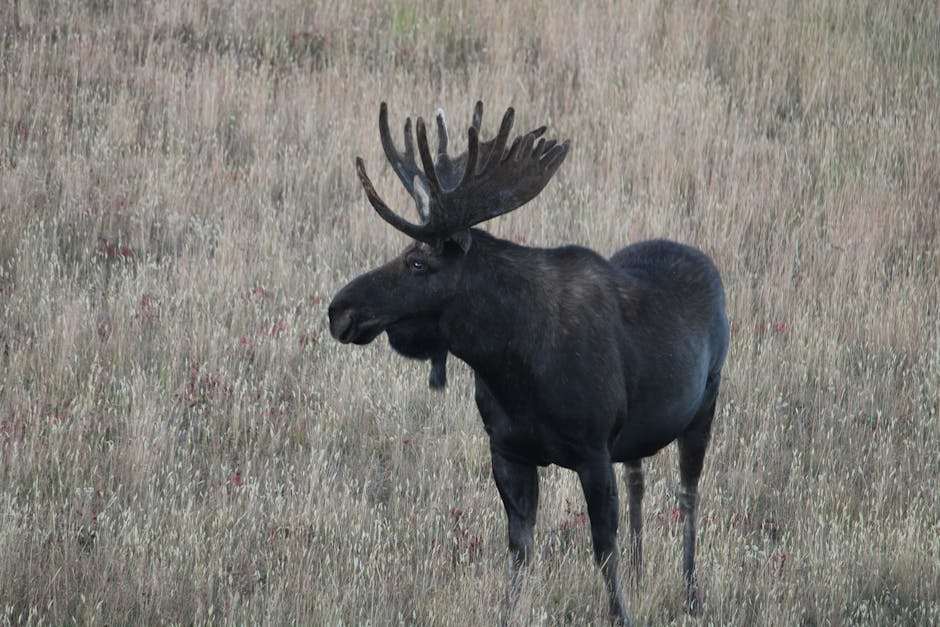
Planning Your Urban Moose Adventure
Experience Alaskas most iconic wildlife without leaving the city on this comprehensive self-guided urban moose viewing tour. Anchorage uniquely offers visitors the chance to observe these magnificent creatures in their natural habitat while enjoying the conveniences of urban amenities.
Prime Viewing Locations
Earthquake Park
Start your tour at Earthquake Park, where moose frequently graze in the early morning hours. The open meadows provide excellent visibility, and the parks elevated position offers panoramic viewing opportunities. Free parking available with restroom facilities nearby.
University of Alaska Anchorage Campus
The UAA campus is known for its resident moose population that roams freely through the grounds. These moose are particularly comfortable around people, making for excellent viewing opportunities. Check the campus map for current moose activity reports posted by security.
Kincaid Park
This expansive park offers excellent viewing opportunities along its trail system. The diverse habitat of meadows, forests, and wetlands attracts moose throughout the year. The Tony Knowles Coastal Trail provides multiple vantage points for wildlife observation.
Potter Marsh Boardwalk
While primarily known for bird watching, Potter Marsh provides a scenic backdrop for moose sightings during evening feeding times. The elevated boardwalk offers safe viewing distances while moose browse in the surrounding wetlands.
Optimal Viewing Times
Moose are most active during dawn and dusk hours. Early morning sessions (5:30-8:00 AM) and evening excursions (6:00-9:00 PM) offer the highest success rates. During winter months, moose become more visible throughout the day as they search for food sources in residential areas and parks.
Spring viewing (April-June) is particularly rewarding as mothers with new calves emerge from winter shelters. Fall months (September-October) bring rutting season, when bull moose are more active but require extra caution.
Essential Safety Guidelines
Maintain a minimum distance of 25 feet from all moose – theyre surprisingly fast and can become aggressive if they feel threatened. Adult moose can weigh up to 1,500 pounds and reach speeds of 35 mph.
Never approach a cow with calves, and be especially cautious during rutting season (September-October). If a moose displays warning signs like laid-back ears, raised hackles, or aggressive posturing, slowly back away while avoiding direct eye contact.
Keep dogs leashed at all times – moose perceive dogs as wolves and may charge. If a moose approaches your vehicle, remain inside and wait for the animal to move on.
Photography and Equipment Tips
Bring a telephoto lens or binoculars for the best viewing experience without disturbing the animals. A 300mm lens or longer is recommended for quality wildlife photography from safe distances.
Early morning light provides the most dramatic shots with warm, golden tones. Overcast days offer even lighting that reduces harsh shadows and provides better detail in the mooses dark fur.
Remember that flash photography can startle wildlife – use natural lighting whenever possible. Consider bringing a tripod for low-light situations during dawn and dusk viewing.
Self-Guided Tour Planning
Plan for 3-4 hours to complete the full tour circuit. Each location offers different viewing opportunities, so dont rush between spots. Allow extra time during peak viewing hours when moose are most active.
Download offline maps to your phone as cell service can be spotty in some park areas. Dress in layers as Alaska weather changes rapidly, and bring snacks and water for longer viewing sessions.
Check current wildlife activity reports at visitor centers before starting your tour. Local rangers often have updated information about recent moose sightings and any areas to avoid.


No comments yet.