
Anchorage Outdoor Gear & Equipment Rental Guide 2026
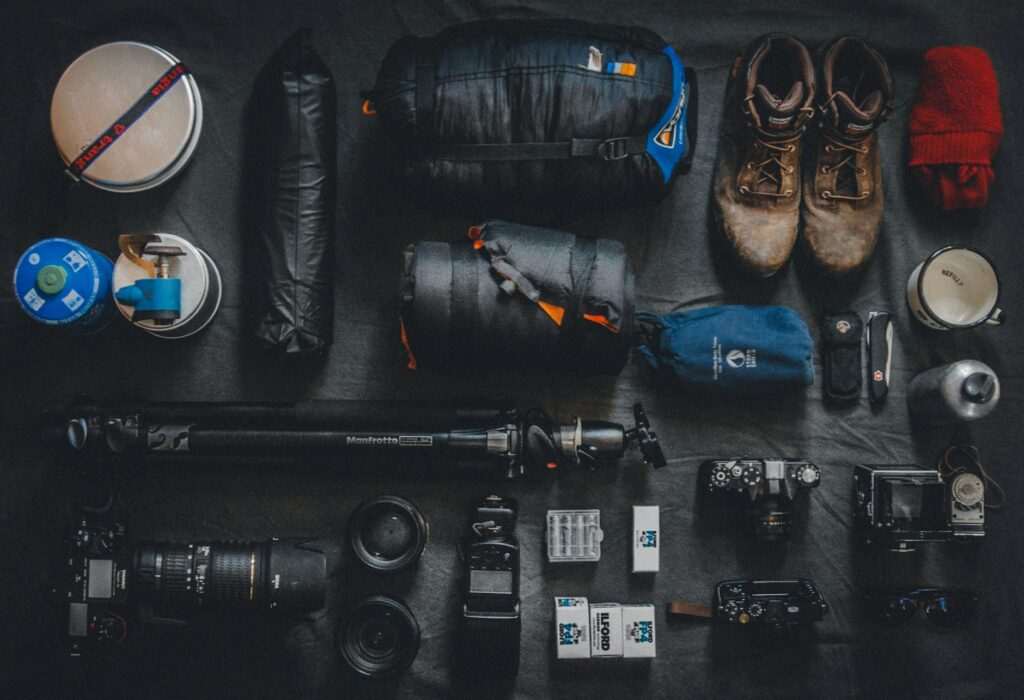
Planning an Alaska adventure but don’t want to haul all your gear to Anchorage? You’re in luck. The city offers excellent outdoor gear rental options that let you pack light and still experience everything from backcountry hiking to world-class fishing without the hassle of airline baggage fees or equipment you’ll only use once.
Whether you’re visiting for a weekend or staying all summer, Anchorage’s gear rental shops provide everything you need for memorable outdoor experiences. Here’s your complete guide to renting hiking, camping, fishing, and adventure equipment in Alaska’s largest city.
Why Rent Outdoor Gear in Anchorage?
Renting gear in Anchorage makes perfect sense for visitors. Alaska’s extreme conditions require specialized equipment that’s expensive to buy and challenging to transport. Plus, local rental shops stock gear specifically designed for Alaska’s unique environment – from bear-proof containers to cold-weather sleeping bags rated for unpredictable spring weather.
You’ll save money on airline baggage fees, avoid purchasing equipment you might not use again, and get access to high-end gear that’s perfectly maintained. Local rental shops also provide invaluable advice about conditions and gear selection that you simply can’t get from online research.
Big Ray’s: Anchorage’s Outdoor Gear Headquarters
For over four decades, Big Ray’s has been Anchorage’s go-to destination for outdoor equipment. Their rental department stocks everything from lightweight backpacking tents to heavy-duty fishing waders, with gear from trusted brands like Patagonia, REI Co-op, and local Alaska favorites.
What sets Big Ray’s apart is their expertise – staff members aren’t just salespeople, they’re active outdoor enthusiasts who’ve tested gear in Alaska conditions. You’ll hear recommendations based on real experience, like which sleeping bag works best for Denali’s unpredictable weather or which hiking boots handle Chugach State Park’s rocky terrain.
Their rental inventory includes:
- Backpacking and car camping tents (2-8 person options)
- Sleeping bags and sleeping pads for various temperature ranges
- Backpacks from day packs to multi-day expedition packs
- Hiking boots and waders
- Bear canisters and bear spray
- Fishing rods, reels, and tackle
- Camping stoves and cookware
Rental Process and Pricing
Big Ray’s operates on a straightforward rental system with competitive daily and weekly rates. They require a credit card deposit that covers the replacement cost of gear, but you’ll only pay rental fees unless equipment gets damaged or lost. Staff members explain gear operation and provide printed guides for complex items like GPS units or camp stoves.
Specialty Fishing Equipment Rentals
Alaska’s fishing opportunities are world-class, but specialized gear requirements can be intimidating for visitors. Alaska Fishing Adventures offers comprehensive fishing gear packages that include everything you need for specific types of fishing, from salmon runs to halibut charters.
Their rental packages often include rods, reels, tackle, waders, rain gear, and even lunch coolers – basically everything except the fish. You’ll get gear recommendations based on your specific fishing plans and current conditions, plus local knowledge about bait and technique that significantly improves your chances of success.
Many charter companies also offer gear rentals as part of their services, eliminating the guesswork about what equipment works best for Alaska’s unique fishing conditions. This is especially valuable for saltwater fishing, where gear requirements change dramatically based on species and season.
Adventure Tour Equipment Rentals
Adventure tour companies like Chugach Adventures offer equipment rental services that go beyond basic camping gear. They specialize in technical equipment for mountaineering, ice climbing, and backcountry skiing – gear that requires expertise to use safely.
These specialty rentals often include safety equipment like avalanche transceivers, helmets, and climbing harnesses, along with technical clothing systems designed for Alaska’s extreme conditions. What you’re really renting is peace of mind – knowing that equipment is properly maintained, correctly fitted, and appropriate for Alaska conditions.
Many adventure companies bundle gear rentals with guided experiences, providing everything you need for activities like glacier hiking or backcountry skiing without requiring you to understand complex equipment requirements.
Kayaking and Water Sports Equipment
Alaska’s incredible water recreation opportunities require specialized equipment that’s impractical for most visitors to bring. Prince William Sound Kayak Center offers comprehensive kayaking gear rentals including boats, paddles, safety equipment, and dry bags.
Water sports equipment rental typically includes everything needed for safe paddling: properly fitted personal flotation devices, spray skirts for cold water protection, waterproof storage, and emergency signaling devices. Rental shops also provide local knowledge about tides, weather patterns, and wildlife that’s crucial for safe water activities.
Budget-Friendly Gear Options
Not every Alaska adventure requires premium gear. Tikahtnu Commons shopping center houses several sporting goods stores that offer basic camping and hiking equipment rentals at budget-friendly rates.
These options work well for car camping, day hiking, or family adventures where technical performance is less critical than affordability. You’ll find solid gear that handles Alaska conditions without the premium pricing of specialty outdoor shops.
Many visitors combine budget rentals with one or two premium items from specialty shops – like renting a basic tent but splurging on a high-quality sleeping bag rated for cold temperatures. This strategy keeps costs reasonable while ensuring comfort and safety for the most critical gear.
Seasonal Considerations for Gear Rentals
Alaska’s dramatic seasonal changes affect gear requirements significantly. Spring rentals often focus on waterproof equipment and layering systems for unpredictable weather, while summer demands lightweight gear for extended daylight adventures.
Popular rental items change throughout the season. Early spring visitors need cold-weather sleeping bags and waterproof everything, while midsummer travelers focus on bug protection and lightweight hiking gear. Fall rentals shift toward hunting and photography equipment as wildlife activity increases.
Book popular rental items early during peak season (June-August). High-end camping gear, fishing equipment, and specialty items like bear canisters get reserved quickly, especially for popular destinations like Denali National Park.
Weather-Specific Gear Needs
Alaska weather can shift dramatically, even in summer. Rental shops stock gear for various conditions, but understanding what you might encounter helps with selection. Spring visitors should prioritize waterproof gear and warm layers, while summer travelers need sun protection and insect defense alongside traditional outdoor gear.
Rental Planning and Reservations
Successful gear rental requires advance planning, especially during Alaska’s busy summer season. Most rental shops accept reservations 30 days in advance, with some premium items available for longer-term booking.
When making reservations, provide specific information about your planned activities, group size, and experience level. This helps rental shops recommend appropriate gear and ensure proper sizing for items like boots, backpacks, and safety equipment.
Rental periods typically run from daily to weekly rates, with many shops offering discounts for longer rentals. Some shops also provide delivery services for large orders or groups, eliminating transportation challenges for gear-heavy adventures.
What to Expect When Renting
Professional gear rental involves more than just handing over equipment. Expect a thorough fitting process for items like backpacks and boots, demonstration of complex equipment operation, and detailed discussion of your planned activities.
Quality rental shops provide written instructions for complex gear, backup equipment recommendations, and 24-hour contact information for emergencies. You’ll typically sign a liability waiver and provide credit card information for damage deposits.
Most shops offer gear swaps if initial selections don’t work properly, recognizing that comfort and safety depend on proper equipment fit and operation.
Rental Costs and Budgeting
Outdoor gear rental costs vary significantly based on equipment type and quality level. Basic camping gear might cost $15-25 per day for items like tents and sleeping bags, while premium technical equipment can reach $50-75 daily for specialized items.
Many shops offer package deals that bundle related equipment at discounted rates. A complete camping package including tent, sleeping bags, cooking gear, and backpacks often costs less than renting items individually.
Budget approximately $30-50 per person per day for basic outdoor gear rental, with higher costs for technical equipment or premium brands. Compare these costs against airline baggage fees and equipment purchase prices to understand the value proposition.
Care and Return Procedures
Rental equipment requires proper care to avoid damage charges and ensure availability for other adventurers. Most shops provide cleaning instructions and care guidelines specific to each piece of equipment.
Return procedures typically involve equipment inspection, cleaning verification, and damage assessment. Minor wear from normal use is expected, but significant damage or loss results in replacement charges.
Clean equipment thoroughly before returning, especially items exposed to saltwater or muddy conditions. Many shops charge cleaning fees for excessively dirty returns, but they appreciate customers who take care of gear properly.
Seasonal Rental Specials and Deals
Many Anchorage gear rental shops offer seasonal promotions and package deals that provide significant savings for visitors. Spring shoulder season often features discounted rates as shops prepare for summer demand, while fall deals help clear inventory.
Group discounts are common for families or organizations renting multiple items. Many shops also offer repeat customer discounts for visitors who rent frequently during extended Alaska stays.
Check shop websites and social media for current promotions. Some shops partner with hotels or tour companies to offer package deals that combine accommodation or activities with gear rental at reduced rates.
Essential Rental Tips for First-Time Visitors
Start your gear rental process early in your Anchorage visit. This allows time for exchanges if equipment doesn’t fit properly and gives you opportunity to ask questions about operation and care.
Bring your own personal items like hiking socks and base layers for hygiene and comfort. Most shops don’t rent undergarments or personal clothing items, so pack these essentials from home.
Document equipment condition during pickup to avoid disputes during return. Take photos of any existing damage and discuss care requirements with rental staff to ensure proper treatment.
Frequently Asked Questions
How far in advance should I reserve gear for peak season?
Reserve gear 30 days in advance for summer visits (June-August). Popular items like bear canisters and premium camping gear book quickly during peak season.
What happens if rental gear gets damaged during use?
Normal wear is expected, but significant damage results in repair or replacement charges. Most shops provide damage guidelines and offer insurance options for expensive items.
Can I extend rental periods if my trip plans change?
Most shops accommodate extensions based on equipment availability. Contact the rental shop as soon as plans change to arrange extensions and avoid late fees.
Do rental shops provide instruction for complex equipment?
Yes, professional rental shops provide operation instructions and demonstrations for complex gear like GPS units, camp stoves, and safety equipment.
Featured photo by Alex Andrews on Pexels.
No comments yet.