
Whittier Alaska 2026: Day Trip through the Tunnel to Prince William Sound
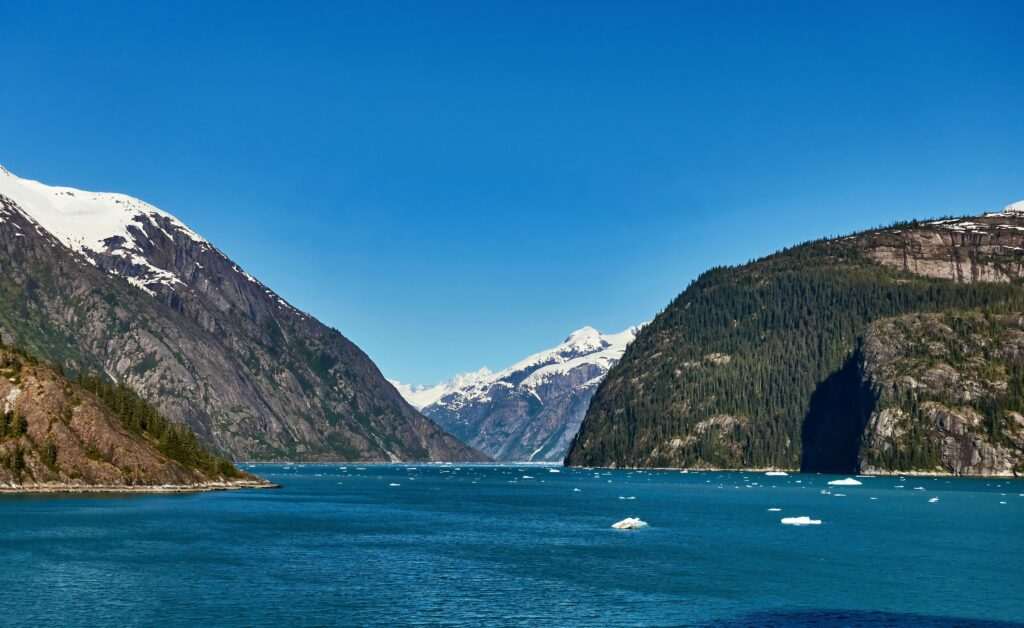
Whittier is one of Alaska’s stranger destinations — a small port town of roughly 200 residents that sits at the head of Passage Canal, a glacially-carved fjord on the western edge of Prince William Sound. Getting there requires driving through the Anton Anderson Memorial Tunnel, a single-lane bore through 2.5 miles of mountain that doubles as a railroad right-of-way and operates on a strict alternating vehicle/train schedule. The combination of the unusual access route, tidewater glacier cruises into Prince William Sound, sea kayaking in the fjord, and surprisingly productive silver salmon fishing makes Whittier a compelling day trip from Anchorage — about 60 miles southeast via the Portage Valley. Here’s what to know in 2026.
The Anton Anderson Memorial Tunnel
The Anton Anderson Memorial Tunnel is the longest combined highway-rail tunnel in North America — 2.5 miles through the Chugach Range connecting Portage Valley to Whittier. The tunnel is single-lane for vehicles, with a train track built into the roadway. This means vehicles and trains share the bore, and the tunnel operates on a controlled alternating schedule: vehicles go one direction for a set period, then the other direction, with train movements coordinated into the schedule.
| Detail | Info (2026) |
|---|---|
| Tunnel toll (one-way, outbound from Whittier) | ~$13 per vehicle |
| Inbound to Whittier | Free |
| Tunnel hours | Generally 5:30 a.m. – 11:30 p.m.; schedule at the portal |
| Wait time | Up to 35–45 minutes at peak periods; plan for a wait |
| Cell signal | None in tunnel; confirm your tour departure time before entering |
The tunnel schedule is the critical logistics variable for a Whittier day trip. The portal near Portage shows the next departure time, and vehicles queue at the portal. Peak summer Saturdays can see the full 35–45 minute maximum wait. Build extra time into both inbound and outbound legs, and don’t plan to catch the last outbound window of the evening — if you miss it, you’re camping in Whittier. Confirm your boat tour departure window against the tunnel schedule before you go.
Columbia Glacier Day Cruises
The primary draw to Whittier for most visitors is access to the tidewater glaciers and wildlife of Prince William Sound via boat tour. Several operators depart from Whittier’s small boat harbor:
Major Marine Tours and Phillips Cruises & Tours both run Columbia Glacier cruises from Whittier — the flagship experience is a 26-glacier cruise into the western sound, passing tidewater glacier faces, sea otters, harbor seals, Steller sea lions, and seabirds. Columbia Glacier itself is one of the most actively calving glaciers in Alaska, with a face that produces frequent small to mid-size calvings audible and visible from the boat. Full-day cruises (5–9 hours depending on operator and destination) run $160–200 per adult. Half-day options are available at lower cost and reach closer Sound destinations.
Book cruise tickets in advance for peak summer weekends — Whittier boat tours fill from Anchorage visitors, and walk-on availability on Saturday mornings in July offers no guarantee.
Sea Kayaking from Whittier
Passage Canal off Whittier’s harbor is sheltered, glacially-carved, and flanked by mountains that drop directly into dark water — outstanding kayak terrain. Several outfitters operate guided kayak tours from the Whittier boat harbor, including half-day tours of Passage Canal and full-day guided trips further into the Sound. Guided half-day tours run approximately $90–120 per person and handle all equipment and safety briefings. Passage Canal conditions are generally calmer than open Sound water, making it accessible to paddlers without prior sea kayaking experience. The combination of mountain scenery, waterfall visibility, and proximity to active marine wildlife (harbor porpoise, seals, and occasional orcas in the canal) makes guided kayaking a strong alternative to a boat cruise for visitors who prefer self-propelled travel.
Silver Salmon Fishing
Whittier sits at the mouth of several glacially-fed creek systems that support silver salmon runs in August and September. Charter salmon fishing from Whittier targets silvers in Passage Canal and nearby Sound waters — a half-day charter runs $175–225 per person for guided fishing with gear. The silver salmon run at Whittier overlaps with the peak summer visitor season and draws serious anglers from Anchorage who want Sound-caught silvers rather than river fish. Our salmon fishing near Anchorage guide covers other Southcentral fisheries including Ship Creek and Cook Inlet charters for comparison.
Begich Towers and the Town
Whittier is famously compact — most of the town’s 200 residents live in a single 14-story building called Begich Towers, which also contains a grocery store, a medical clinic, and apartments that house virtually the entire permanent population. This is a real place and a genuine Alaska curiosity: a World War II-era structure built to house military personnel that became the permanent residential hub for the tiny post-war town. The building is viewable from the harbor area and is a common photograph subject for day visitors.
The small boat harbor has a harbor master’s office, several food shacks, and a small cluster of restaurants. Wild Caught Seafood and the Varlakov Restaurant are the main dining options for a meal after a boat tour. Both operate seasonally and focus predictably on Prince William Sound seafood.
Planning Your Whittier Day
- Leave Anchorage early: A 7–8 a.m. departure puts you at the tunnel portal well before most day-tripper traffic and gets you to Whittier with time to spare before a 10 a.m. or 11 a.m. boat tour departure.
- Check the tunnel schedule: The Whittier Tunnel website publishes the daily schedule. Download or screenshot it before you lose cell signal at Portage.
- Book your boat tour in advance: Walk-on availability exists but peak Saturdays in July are frequently sold out by the week before. Book online 7–14 days ahead.
- Dress for the water: The Sound is cold. Even on warm days, bring a waterproof shell and a mid-layer — boat decks and kayaks put you directly in wind off the glaciers.
- Combine with Portage: The drive through Portage Valley passes the Byron Glacier trailhead, Begich Boggs Visitor Center, and the Alaska Wildlife Conservation Center — all worth a stop on the outbound leg if you’re not pressed for time.
The Alaska Public Lands Information Center on 4th Avenue carries Whittier boat tour operator contacts, Chugach National Forest information, and can help coordinate a Whittier day. Enterprise Rent-A-Car at Anchorage Airport is well-positioned for a Whittier run — the Seward Highway south from the airport is the direct route to Portage Valley. Our Seward Alaska day trip guide covers the alternative Kenai Peninsula coastal destination for visitors comparing Whittier and Seward as Prince William Sound vs. Resurrection Bay options.
Once through the tunnel, Prince William Sound Kayak Center in Whittier offers guided sea kayak tours into the bay — an excellent way to explore the glaciers and wildlife of Prince William Sound at water level.
Photo by Trace Hudson on Pexels.



No comments yet.