
Trampoline Parks in Anchorage 2026: Jump Zones & Foam Pits
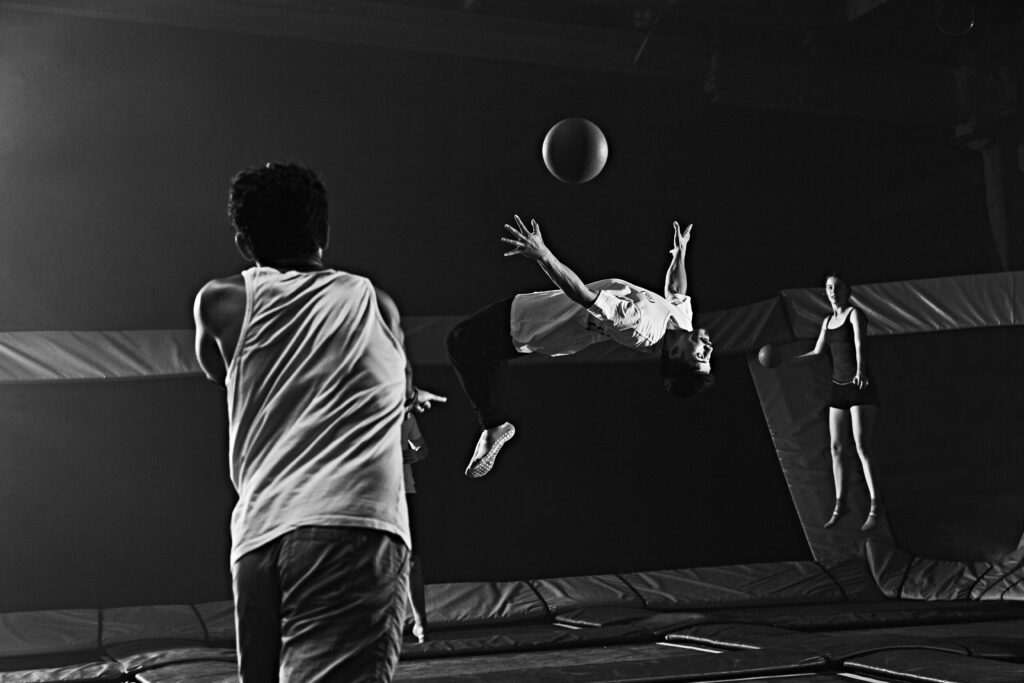
Anchorage gets an average of 16 inches of rain between June and August and roughly 74 inches of snow between October and April. That math makes a strong case for any activity that works regardless of what’s happening outside — and trampoline parks deliver on exactly that. Whether it’s a rainy July afternoon with bored kids or a January weekend when cabin fever sets in, Anchorage’s indoor jump venues offer a full hour of hard-to-replicate physical activity in an environment that manages to be simultaneously exhausting and entertaining for ages three through adult.
Fly Trampoline Park
Fly Trampoline Park is the primary dedicated trampoline park facility in Anchorage. The venue covers multiple connected activity zones across an open floor plan: open jump trampolines along the walls and across the main floor, a foam pit for safe landing practice, basketball slam-dunk trampolines, and a dodgeball court where participants use the trampoline surface to gain height while competing. The layout is designed for maximum movement — guests jump between zones rather than waiting in one spot, which keeps energy and engagement high through an entire session.
Fly Trampoline Park requires grip socks for entry; these are sold at the venue if you don’t bring your own and cost a few dollars per pair. Waivers are required for all participants — most parks allow electronic completion before arrival, which saves time at check-in. Arrive a few minutes early if it’s your first visit to handle the waiver and sock logistics before your session time begins.
What’s Inside: Activity Zones
The standard trampoline park layout in Anchorage includes several distinct zones:
Open jump areas make up the largest portion of the floor — connected trampolines that allow free jumping, flips for those with the skill, and general bouncing. These areas are the baseline experience and what most guests spend the majority of their time on.
Foam pits are a padded landing zone at the end of a jump runway, allowing participants to practice aerial moves with a safe, absorptive landing. These are the spots where more adventurous jumpers try flips and tricks; foam pit sessions often involve short waits during peak hours.
Slam dunk courts position basketball hoops above trampoline surfaces, allowing participants to reach rim height — or above — with a running bounce. These are consistently popular with older kids and adults who want a competitive element to their session.
Dodgeball courts use the trampoline surface as the playing field, adding bounce-height to a familiar game. Court sessions are typically organized in blocks with rotating teams, making them a natural fit for groups.
Toddler Zones and Ages
Most Anchorage trampoline parks maintain dedicated toddler areas — smaller trampolines separated from the main floor, padded walls, and age/weight restrictions that keep very young jumpers away from the higher-energy zones where older kids are moving fast. These areas are typically designated for children under a certain age or height (often 46 inches or under) and allow parents to jump alongside toddlers without competing with teenagers doing backflips next to them.
Check the specific age and height requirements at your venue before visiting — these vary and are strictly enforced for safety. The toddler zone scheduling also sometimes differs from open jump; some parks run dedicated toddler hours on weekday mornings that are quieter and better suited to very young visitors.
Fitness Jumping for Adults
Trampoline fitness classes — sometimes marketed as rebounding — have become a regular offering at Anchorage jump venues. A one-hour trampoline cardio class typically burns significantly more calories than the equivalent time on a stationary bike, with lower joint impact due to the absorptive trampoline surface. These classes are structured around instructor-led routines rather than free jump and appeal to adults who want a workout rather than a recreation session. Check venue schedules for class times; these are typically separate from open jump hours and require advance registration.
Birthday Parties and Group Bookings
Trampoline parks are a popular Anchorage birthday party venue, and most facilities have party packages that include reserved jump time, a private party room, and sometimes food and decorations. Packages vary significantly in price and inclusions — typically starting around $200–$350 for a group of 10–12 kids. Booking several weeks in advance is standard for peak summer and holiday weekends; January through March is generally easier to book with more flexibility. For school field trips and youth group outings, most venues offer group rates that require advance coordination with the park’s events team.
Safety and What to Know Before You Go
Every reputable trampoline park operates under a set of safety rules that exist because the environment — high-energy participants, shared equipment, variable skill levels — creates genuine hazards if not managed. The main rules at most Anchorage facilities: grip socks required at all times; no double-bouncing (two people bouncing in the same trampoline section simultaneously); no flipping without skill demonstration or in restricted zones; follow staff direction immediately. Waivers acknowledge the inherent risk of jumping and are non-negotiable for entry.
For children under approximately age 7, staying in the designated younger-jumper zones is both a rule and good practice — the open jump areas with older participants moving at full speed are genuinely difficult environments for small children to navigate safely without close supervision.
Pricing in 2026
Open jump sessions at Anchorage trampoline parks typically run by the hour: approximately $15–$22 per person for a 60-minute session in 2026. Toddler rates are often lower; most venues offer reduced pricing for children under age 3 or under a height threshold. Multi-session punch cards or memberships are available at some facilities for regular visitors. Grip socks, if you don’t bring your own, add $3–$5. Confirm current pricing when booking — rates can change and weekend peak pricing sometimes applies.
Combining with Other Indoor Activities
A trampoline park session pairs naturally with other indoor venues for a longer family day. Chuck E. Cheese in Anchorage offers arcade games, redemption prizes, and casual food in a family-entertainment format that covers the gaps a trampoline park doesn’t — sitting down, eating, and prize-hunting. For a more active combination, Putters Wild offers indoor mini golf and family gaming that provides a lower-intensity complement to a jump session, useful if younger children tire out before the older kids are ready to stop.
Do I need to bring special socks to Anchorage trampoline parks?
Yes — grip socks are required for entry at all trampoline parks. If you don’t bring your own, the park sells them at the front desk for approximately $3–$5 per pair. Grip socks can be reused on future visits, so keeping the pair from your first visit saves the fee next time.
What ages are trampoline parks appropriate for?
Most facilities accommodate children as young as 2–3 years old in dedicated toddler zones, through adults of all ages on the main floor. Age and height restrictions separate zones to keep younger jumpers away from high-energy areas. Check the specific facility’s age requirements before visiting — restrictions vary and are strictly enforced.
Can adults jump at Anchorage trampoline parks?
Yes. The main jump floors are open to adults, and many facilities also offer dedicated trampoline fitness classes structured as adult workout sessions. Adults often find the basketball slam-dunk zones and dodgeball courts particularly engaging. Fitness jumping is increasingly marketed to adults specifically for the cardiovascular benefit at lower joint impact than running.
How far in advance should I book a birthday party?
For summer weekends and school-year Saturdays, 3–4 weeks ahead is standard. January through March offers more flexibility. Contact the venue directly — most have a dedicated events or party booking line separate from general admission.
Featured photo by Jesse Perges on Pexels.
No comments yet.