
Terrarium Building Workshops Anchorage 2026
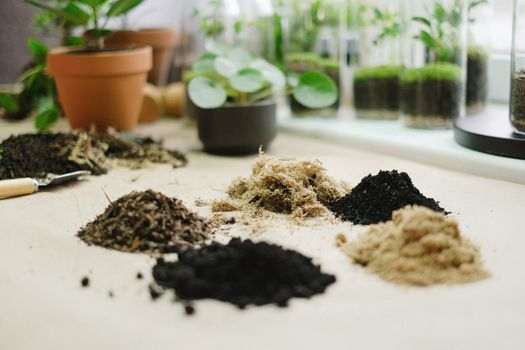
A terrarium is a contained garden — plants growing in a sealed or open glass environment that creates its own microclimate and, if built well, largely maintains itself through the water cycle it generates internally. The appeal in Alaska is particular: in a state where the outdoor growing season runs roughly 100 days before the first frost, a terrarium extends green living things into the long dark winter in a way that requires no special lighting, no special warmth, and surprisingly little attention once established. Anchorage’s craft workshop community has built terrarium building into its roster of hands-on experiences, and the Alaska-specific angle — native moss, local stones, lichen, and plant species adapted to the state’s conditions — gives locally made terrariums a character that’s distinctly different from the generic succulent-in-a-globe you’d build in a Phoenix workshop. This guide covers terrarium workshops near Anchorage in 2026, the types of terrariums that work in Alaska conditions, and how to maintain one through the winter.
Closed vs. Open Terrariums
The most fundamental terrarium design decision is whether to build a closed (sealed) or open system. Closed terrariums — glass containers with lids or narrow openings — create a self-sustaining water cycle: moisture evaporates from soil and plant surfaces, condenses on the glass walls, and returns to the soil. A well-built closed terrarium can go months without watering and is essentially a miniature ecosystem in a bottle. They favor moisture-loving plants: mosses, ferns, peperomia, and other humidity-dependent species thrive in the consistently moist environment.
Open terrariums are simpler to build and maintain, favor drought-tolerant plants (cacti, succulents, air plants), and don’t develop the internal humidity of a closed system. They’re more forgiving of beginner errors (overwatering a closed terrarium is the most common failure mode) and easier to adjust after building. The choice between them depends on the plants you want to grow and how much maintenance you’re willing to do — closed terrariums require almost none once balanced; open terrariums require periodic watering.
Alaska Moss Terrariums
Alaska’s boreal forests and muskeg produce an extraordinary variety of moss species that are both beautiful and resilient — qualities that make them ideal terrarium material. Sphagnum moss, cushion moss, hair-cap moss, and feather moss all grow abundantly throughout Chugach State Park and the Mat-Su Valley, and all transplant successfully into closed terrarium environments that replicate their preferred conditions: humidity, indirect light, and cool temperatures.
A moss terrarium built with Alaska native species creates something genuinely distinctive: the greens, textures, and forms of Southcentral Alaska’s forest floor in miniature, maintained indefinitely indoors without the outdoor growing season that limits every other form of Alaska gardening. Adding local stones (the quartz-flecked rocks of the Chugach are particularly striking), birch bark fragments, or pieces of well-dried driftwood from coastal beaches gives the composition a material authenticity that imported decorative elements don’t provide.
Collecting moss in Chugach State Park is permitted for personal use in small quantities. The key to successful moss collection is taking the moss with its associated soil layer intact rather than peeling it from the substrate bare — the soil carries the microorganisms that keep the moss alive in its new container. Wrap harvested moss in a damp cloth and use it within a day or two for best results.
Terrarium Workshops in Anchorage
Anchorage’s craft workshop studios include terrarium building in their rotating workshop calendars, typically offering it as a 90–120 minute session that covers container selection, layering (drainage layer, separation membrane, growing medium, decorative top layer), plant placement, and care instructions. The hands-on format works well for terrariums because the three-dimensional composition decisions — which plants to place where, how to create visual depth, how to incorporate stones and wood — benefit from live instruction and the ability to try a configuration and adjust it before committing.
Workshop prices typically run $45–$75, including the container, plants, substrate materials, and decorative elements. Sessions that use higher-quality containers (leaded glass geometric terrariums, large apothecary jars) run toward the higher end; those using standard geometric glass bowls or large mason jars are accessible at the lower end without sacrificing the quality of the finished piece.
Some workshops offer terrarium kits for participants who want to build at home rather than in a studio setting — these are worth asking about if your schedule doesn’t align with workshop dates or if you want to involve children in the building process in a more relaxed environment than a group workshop allows.
Plants That Work Well in Anchorage Terrariums
Alaska’s indoor climate is drier than most temperate zones because of forced-air heating — the same heating that makes Alaska winters livable removes humidity aggressively. Closed terrariums counteract this directly, creating the humidity their inhabitants need regardless of what’s happening to the air outside the glass. Open terrariums in Anchorage should favor drought-tolerant plants more strongly than the same designs in humid coastal cities; the combination of dry forced-air heat and Alaska’s low-humidity winters stresses moisture-sensitive plants in open containers.
Native Alaska plants that work in indoor terrarium conditions include several moss species (excellent), lingonberry (lowbush cranberry — stays compact and produces small berries in good light), and bog rosemary (Andromeda polifolia, which tolerates the acid, wet conditions of a sphagnum-based closed terrarium). Miniature ferns, particularly the native oak fern (Gymnocarpium dryopteris) found in Southcentral Alaska forests, also transplant successfully into closed humid terrariums.
Maintaining a Terrarium Through an Alaska Winter
The critical winter variable for indoor terrariums in Alaska is light. Alaska’s winter days are short — Anchorage gets about 5.5 hours of daylight at the solstice — and the light that reaches indoor plants through windows is weak and low-angle. Most terrarium plants tolerate low light reasonably well, but actively growing plants (as opposed to dormant ones) benefit from supplemental light during the darkest months. A simple LED grow light on a timer (12 hours on, 12 hours off) placed near the terrarium maintains growth through the winter at negligible electricity cost. Anchorage craft workshop participants can show and sell their finished work at year-round events including the Anchorage Market & Festival, the Anchorage Native Arts & Culture Festival, and the Alaska State Fair. Our free things to do in Anchorage guide covers other indoor activities and venues for the winter months, and our Anchorage hiking guide covers the outdoor terrain where Alaska’s native terrarium materials are most accessible for collection during summer foraging trips.
Photo by Yan Krukau on Pexels.

No comments yet.