
Snowmobiling Near Anchorage 2026: Trails, Rentals & Alaska Snowmachine Guide
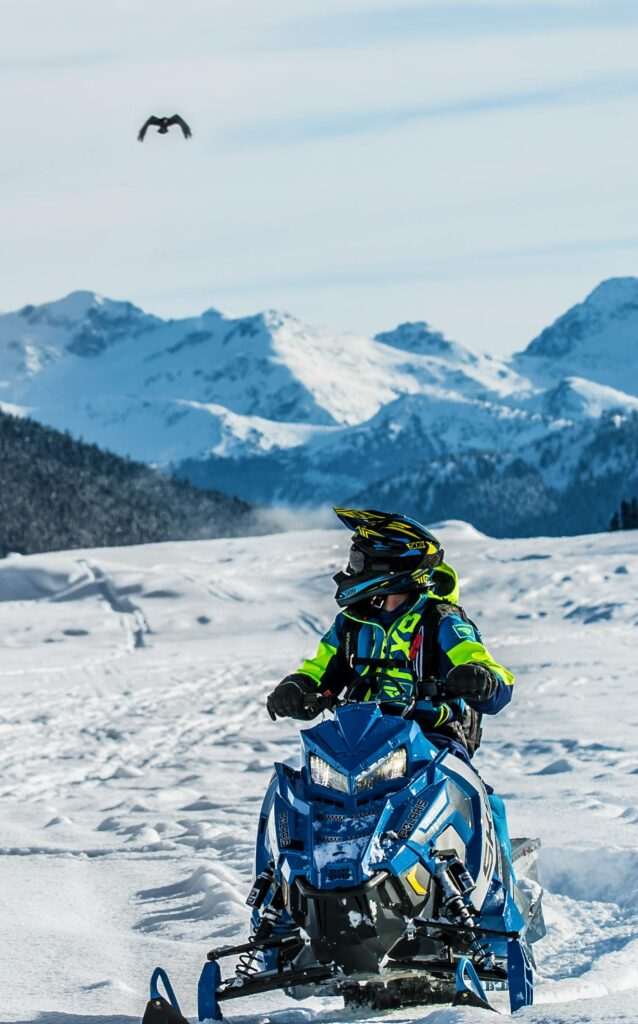
In Alaska, “snowmachine” is the word. Not snowmobile. If you ask about snowmobiling and get a slight adjustment in how someone responds to you, that’s the reason. It’s a small linguistic tell that separates Alaskans from visitors, and it reflects something real: snowmachines in Alaska aren’t just recreational equipment. In rural and remote communities across the state, they’re primary transportation — how people reach the store, the clinic, the wood pile, the fish camp. Understanding that context matters before you head out to ride one.
For visitors based in Anchorage, several world-class snowmachine riding areas are within a 1–2 hour drive. Here’s where to go, what to know, and how to stay safe.
Turnagain Pass: Alaska’s Premier Snowmachine Destination
Turnagain Pass, located on the Seward Highway about 57 miles south of Anchorage, is one of the most popular and most avalanche-prone snowmachine areas in Alaska — and those two facts are directly related. The terrain is extraordinary: high alpine bowls, open slopes, ridge systems with expansive views, and snow quality that draws riders from across the state and beyond when conditions are right.
The Turnagain Pass Recreation Area has dedicated snowmachine use areas on both sides of the highway. The area is managed by the USDA Forest Service; most access points are free and don’t require permits for day use.
Avalanche hazard is serious here. Turnagain Pass has some of the highest avalanche frequency in Southcentral Alaska, and people are killed in avalanche accidents here most winters. Before riding, check the Alaska Avalanche Center forecast (alaskasnow.org) — this is not optional. Carry an avalanche beacon, probe, and shovel. Ride with people who know how to use them. Take an avalanche safety course before venturing into steep terrain; one-day courses are available in Anchorage throughout the winter.
That said, Turnagain Pass also has accessible terrain for less experienced riders. The rolling terrain near the highway pullouts is lower-angle and appropriate for beginners who stay away from the steep bowls above. Family groups and beginner riders use the flatter areas regularly; the steep avalanche terrain is well up the slopes.
Hatcher Pass
Hatcher Pass in the Matanuska-Susitna Valley (about 90 minutes north of Anchorage) offers extensive snowmachine terrain in a different character from Turnagain: more open alpine, slightly less extreme terrain, and somewhat lower avalanche hazard on the standard routes (though not zero). The area around Independence Mine State Historical Park becomes a snowmachine gathering spot on winter weekends, and the scenery — dramatic Talkeetna Mountain terrain in every direction — is outstanding.
The Hatcher Pass area is also where Anchorage-area skiers and backcountry users go in winter, so the terrain is shared. Snowmachiners and non-motorized users have designated areas in some sections — check current posted signage and USDA Forest Service information for the specific areas you’re accessing.
Summit Lake Area (Parks Highway)
The Summit Lake area, about 70 miles north of Anchorage on the Parks Highway, is more accessible for family riders and beginners than Turnagain. The terrain is open tundra and rolling hills above treeline, with lower avalanche risk than the extreme alpine terrain at Turnagain. Visibility is good, the routes are intuitive, and the experience of riding through open Alaska winter landscape is excellent even for newer riders.
Rentals and Guided Tours
If you don’t own a snowmachine and aren’t hauling one from home, rental options are available in the Anchorage area and near the popular riding areas. Rental rates vary; expect to pay $150–$250+ per machine per day depending on machine type and rental location. Book in advance during peak winter weekends.
Guided snowmachine tours typically include machine, gear (helmet, suit, gloves), guide, and a route appropriate for the group’s experience level. Several operators run guided tours from Anchorage into the Chugach Mountains and nearby terrain. These are the right choice for first-timers who want supervision and instruction before heading out independently.
Required Gear and Safety Equipment
For any serious riding:
- Helmet: Non-negotiable. Snowmachine accidents happen and head injuries are the most preventable severe outcome.
- Avalanche beacon, probe, and shovel: Required if you’re anywhere near avalanche terrain. All three. And know how to use them before you need them.
- Layered insulation: Snowmachine suits are wind and waterproof outer layers; you layer underneath for temperature. Riding at speed creates significant wind chill even on calm days.
- Hand warmers and heated gear: At sustained cold temperatures, hand function deteriorates quickly. Heated handlebar grips and hand warmers are standard equipment.
- Emergency kit: Fire starter, space blanket, whistle, extra fuel.
Registration and Permits
Snowmachines operated in Alaska must be registered with the state. Registration is typically done in the rider’s home state for visitors. Some designated recreation areas require specific day-use permits or have seasonal operating restrictions — check with the managing agency (USDA Forest Service, Alaska DNR, or BLM depending on the area) for the specific location you plan to ride.
Season and Conditions
The reliable snowmachine season in the Anchorage-area riding zones is generally December through March, with some years extending into April. Early season (December) can be variable; late season snowpack is often the most consolidated and safest for avalanche travel but the deepest and most physically demanding. The ideal riding window in most years is January through early March.
Before any trip, check current snowpack and avalanche conditions through the Alaska Avalanche Center. Snow conditions at Turnagain Pass and other mountain areas can change dramatically within 24 hours after new snowfall or wind events.
Snowmachining in Alaska is one of the state’s most locally beloved winter activities. Done safely, with appropriate gear and avalanche awareness, it’s access to Alaska winter terrain that no other activity provides.


No comments yet.