
Alaska Seafood Guide for Anchorage Visitors 2026: What to Buy, Eat & Ship Home
You’re in Anchorage, which means you’re a short distance from some of the best wild salmon, halibut, king crab, and spot prawns on the planet. The question isn’t whether to eat Alaska seafood — it’s where to buy it, what to order, and how to get it home. Here’s the practical guide.
Best Fresh Seafood Markets in Anchorage
10th & M Seafoods
This is the go-to spot for visitors who want to buy retail-quality fresh and frozen Alaska seafood. 10th & M stocks salmon, halibut, king crab, and Dungeness crab, with most product coming directly from Alaska processors. The real value here is the vacuum-packing and boxing service: they’ll pack your purchase for the flight home, and frozen Alaska seafood travels remarkably well. Located in Midtown, close to most major hotels.
New Sagaya City Market
New Sagaya is a full-service specialty grocery that doubles as one of Anchorage’s best prepared-food stops. The fresh seafood counter is excellent, and you can buy sushi-grade salmon or halibut to cook in your accommodation. The prepared foods section — particularly the poke bowls and smoked salmon dips — is a great quick lunch option. Midtown location, easy parking.
Costco (Midtown)
Anchorage’s Costco is not what you’d expect. Because it sits at the hub of Alaska’s fishing industry, the seafood cases here carry wild-caught Alaska salmon, halibut, and king crab at prices that undercut specialty markets. If you’re buying in volume to take home — or feeding a large group — this is the most efficient option. Flash-frozen portions travel well and hold quality.
What to Order and Why
Wild King Salmon (Chinook)
If there is one Alaska seafood experience to prioritize, it’s wild king salmon in season. The peak summer run (June through August) means you can eat salmon that was in the water days ago. The fat content and flavor of a fresh king salmon in-season is something you won’t replicate at home — even if you buy frozen Alaska salmon later. Order it at any of Anchorage’s quality restaurants, or buy a whole fillet at the market and cook it yourself.
Halibut
Pacific halibut is Alaska’s other iconic table fish — mild, buttery, and incredibly versatile. Summer is peak season. Fresh halibut steaks or fillets from the market require almost no technique to cook well: season it, don’t overcook it, done. If you want to catch your own, halibut charters run out of Homer and Seward — both within a day trip of Anchorage.
King Crab
Alaska red king crab is the premium product. Be aware: king crab season runs in fall and winter, not summer. What you find fresh in summer is often Dungeness or Tanner (snow) crab, both excellent. “Fresh” king crab sold in summer is almost certainly frozen and thawed — still high quality, but understand what you’re buying. The markets and restaurants will be honest about this if you ask.
Spot Prawns
Alaska spot prawns are large, sweet, and almost never available outside Alaska and the Pacific Northwest. When they appear at the markets or on a restaurant menu, order them. They’re typically sautéed in butter or served in a shrimp cocktail format. Their season is limited — late spring through early summer is the window.
Ship Seafood Home
Both 10th & M Seafoods and several other Midtown processors offer vacuum packing and overnight shipping for purchase. If you’re buying whole fish (say, after a fishing charter), processors at Ship Creek and near Ted Stevens Airport can butcher, vacuum-pack, and box your catch for the flight home or direct shipping. Alaska Airlines allows frozen seafood as checked luggage — pack it in a hard-sided cooler with dry ice, and most product arrives in excellent condition.
Catch Your Own
Anchorage has a surprisingly accessible urban fishing scene. Ship Creek, a short walk from downtown, hosts a genuine king and silver salmon run in summer. You can buy a fishing license at any sporting goods store and fish the same day — it’s one of the stranger and better experiences in Alaska tourism, standing next to local fishermen in the shadow of downtown office buildings. The bite is real. Bring your own gear or rent from nearby shops.
Smoked Salmon: The Gift That Ships
Smoked Alaska salmon travels perfectly and makes the most practical edible souvenir. Look for vacuum-sealed packages at any market or gift shop — but prioritize producers who list a specific species and processor over generic “Alaska smoked salmon.” The best smoked salmon in Anchorage tends to come from small processors and Native-owned operations. Ask at the markets for locally smoked product versus commercially distributed brands.
Practical Notes
- Ask “is this fresh or frozen-and-thawed?” Reputable vendors answer honestly. Both are fine, but you should know what you’re getting and price accordingly.
- Wild vs. farmed: Almost all seafood sold in Alaska is wild-caught. You don’t need to ask — but it’s worth knowing that farmed Atlantic salmon occasionally appears in non-specialist stores.
- Airlines and seafood: Alaska Airlines, Delta, and United all allow seafood as checked baggage. Dry ice (up to 5.5 lbs) is allowed; gel packs must be frozen solid at screening.
- The Saturday Market downtown (late May through September) occasionally has vendors selling smoked fish and spot prawns — worth a lap to see what’s fresh that week.
Bottom Line
You’re in Alaska in summer. The seafood is as good as it gets anywhere on earth at this moment. Buy something fresh from the market, cook it simply, and eat it that day. Whatever else you do in Anchorage, this part is non-negotiable.
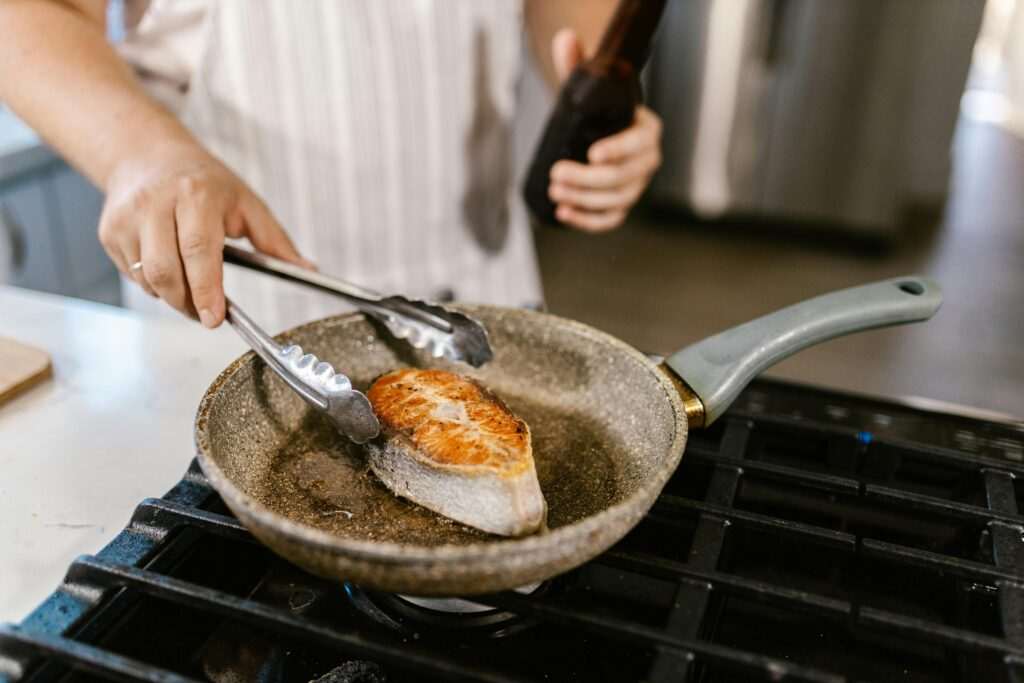
Photo: Pexels / Kindel Media



No comments yet.