
Sea Kayaking Near Anchorage & Whittier, Alaska 2026: Guided Tours & Rental Guide
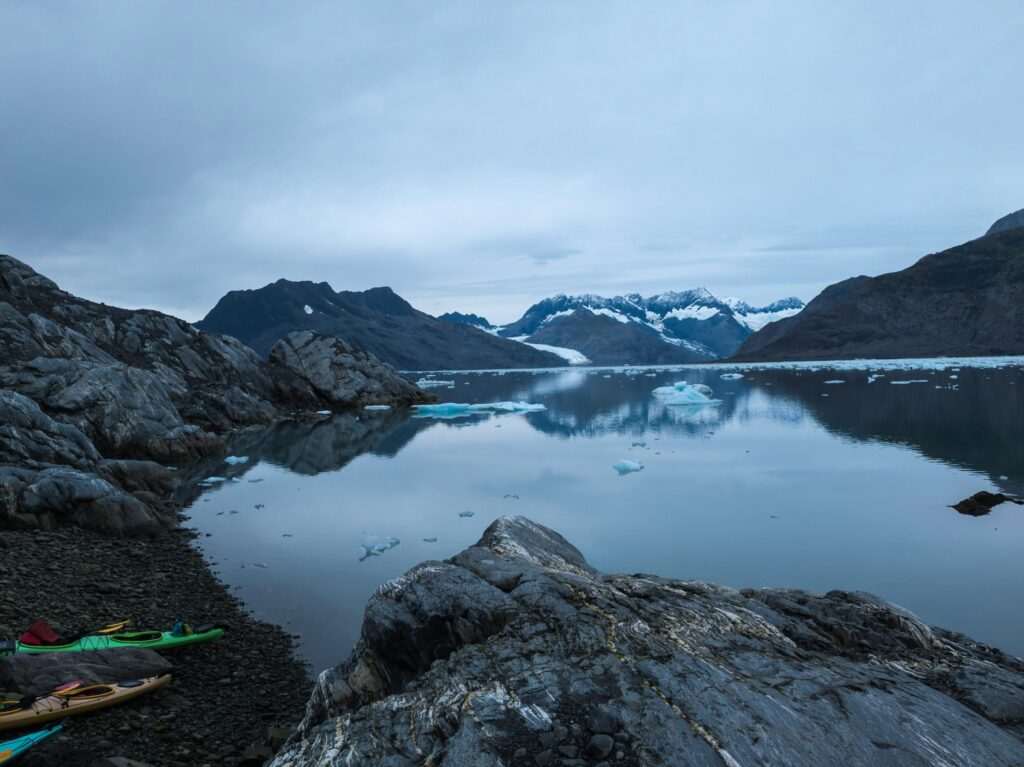
Sea kayaking near Anchorage puts you within reach of two very different paddling worlds. Stay close to the city and you’re on calm glacially fed lakes with mountain backdrops. Drive 60 miles southeast through the Anton Anderson Tunnel and you’re launching into Prince William Sound — glaciers, fjords, tidewater ice, and some of the most diverse marine wildlife in the Pacific. Both are worth your time. Together, they make Southcentral Alaska one of the best kayaking destinations in North America.
Here’s how to plan sea kayaking near Anchorage in 2026 — where to go, who to paddle with, what to rent, how to stay safe, and how to get to Whittier.
Whittier: the gateway to glacier kayaking
Whittier sits at the head of Passage Canal on the northeast corner of Prince William Sound. It’s a small, unusual, and utterly distinctive town — almost all of its residents live in a single highrise building, and the only road access from Anchorage runs through the Anton Anderson Memorial Tunnel, a 2.5-mile bore through the Chugach Mountains that also serves as a rail corridor. The drive from downtown Anchorage takes about 60 miles and roughly an hour, plus however long you wait for the tunnel.
Anton Anderson Tunnel schedule: The tunnel operates on an alternating one-way schedule, with vehicles traveling in one direction at a time. Wait times at the portal typically run 20–45 minutes depending on the time of day, and the tunnel is closed for a short window overnight. Check current tunnel schedules from the Alaska Department of Transportation before you go — the schedule rotates throughout the day and doesn’t follow a simple clock pattern. Budget time for the wait so it doesn’t throw off your tour departure.
Once you’re through, Whittier opens directly onto some of the most spectacular sea kayaking water in Alaska. Passage Canal leads into Prince William Sound, where paddlers have access to Blackstone Bay, Harriman Fjord, and dozens of smaller inlets — all flanked by hanging glaciers, cascading waterfalls, and the dense spruce forest of Chugach National Forest. Marine wildlife in the Sound includes orcas, Dall’s porpoise, harbor seals, sea otters, Steller sea lions, and a remarkable density of seabirds including tufted puffins and common murres.
Guided kayak tours from Whittier
For most visitors, a guided half-day or full-day tour is the best way to experience Prince William Sound. Prince William Sound Kayak Center has been running guided trips out of Whittier for over 40 years — one of the longest-operating sea kayak outfitters in Alaska. They offer options at every level, from beginner-friendly day paddles in protected coves to multi-day camping expeditions deep into the Sound.
- Half-day tours (3–4 hours): Best for first-timers or visitors with limited time. You’ll cover protected water close to Whittier, with strong odds of spotting sea otters and harbor seals. No prior kayaking experience is required.
- Full-day tours (6–8 hours): Extend the range into Blackstone Bay or toward tidewater glaciers, where calving ice drops into the water around you. These tours need some paddling fitness but no technical skill.
- Multi-day expeditions: Camp-supported wilderness trips into Harriman Fjord or deeper sections of the Sound. These are for experienced paddlers or those willing to commit to instruction beforehand. The Sound rewards multiple days — the first day is orientation, the second is when the scale of it truly settles in.
Guided tours include all equipment — kayak, paddle, spray skirt, dry bag, and a dry suit or paddling jacket appropriate for water temperature. Whittier’s water is cold year-round, and guides will fit you with proper gear before you launch.
Sea kayaking near Anchorage: flatwater options
Not every paddle requires a tunnel or a glacier. Anchorage has two approachable flatwater options that work well for beginners, families, or anyone who wants to paddle without committing to a full Whittier day trip.
Goose Lake
Goose Lake sits in midtown Anchorage, surrounded by neighborhood parks and accessible in season. It’s small — about 20 acres — and calm, making it ideal for first paddle experiences or easy recreational outings. Rentals are available in summer. The mountain backdrop makes it considerably more scenic than most city lake paddles anywhere in the lower 48.
Eklutna Lake
Eklutna Lake is the best flatwater kayaking near Anchorage. It’s a 7-mile glacially fed lake about 30 miles north of the city in Chugach State Park, with Eklutna Glacier visible at the far end. The water is calm, protected, and a striking turquoise blue from glacial flour. You can paddle the full length of the lake, camp at the far end, or explore the near shore at your own pace. Rental kayaks and bikes are available seasonally at the campground trailhead.
For guided Anchorage-area paddling with a local operator, Anchorage Kayak Adventures runs urban and peri-urban paddles from their downtown base — a solid option if you want to kayak without leaving the city or if you’re fitting it into a day already focused on downtown Anchorage.
Kayak rentals: what’s included and what to expect
Sea kayak rentals out of Whittier come with a mandatory safety orientation before you launch — no reputable operator will hand you a boat without covering the basics. Expect a briefing that includes:
- Wet exit technique and paddle float re-entry
- Basic forward stroke and turning strokes
- The specific hazards of your launch area: tidal current, vessel traffic, and paddling conditions
Standard rental packages include the kayak (single or tandem options are typically available), paddle, PFD, spray skirt, and a dry bag for personal items. Cold-water protection — a dry suit or wetsuit — is usually included in Whittier rentals given the water temperature in Prince William Sound. If it’s not explicitly listed in your rental package, confirm before you book. Paddling Whittier waters without immersion protection is a genuine hazard.
For additional guided trip options that combine kayaking with broader Southcentral Alaska outdoor access, Alaska Outdoor Adventures offers kayak tours alongside hiking, wildlife viewing, and other excursions — useful if you’re traveling with a mixed group that wants different activities on the same day.
Safety essentials for Prince William Sound
Prince William Sound is as safe as the preparation you bring to it. A few hazards specific to this area:
- Cold water: Water temperatures in the Sound run 45–55°F (7–13°C) year-round. Cold water shock — the involuntary gasping and loss of muscle control triggered by sudden immersion — is the most immediate risk in a capsize. A dry suit or wetsuit dramatically extends your survival window. Don’t paddle without one.
- Tidal currents: Passage Canal and the outer Sound have meaningful tidal movement. Currents don’t typically create dangerous conditions in the main channels, but they can make paddling into the tide unexpectedly exhausting. Check tide tables before you launch and ask your guide or rental operator about current patterns for the day.
- Wildlife encounters: Orcas, bears on shorelines, and Steller sea lions (which can be territorial near haul-out rocks) are all present in the Sound. Keep distance from sea lions, don’t paddle directly toward orcas, and use standard wildlife camping protocols if you’re on a multi-day trip.
- Calving ice: Near tidewater glaciers, calving events create waves without warning. Stay at least 200 meters from active glacier faces and keep your bow pointed toward open water so you can respond quickly to a surge.
- Weather: Sound weather moves fast. Clear mornings can turn to wind-driven rain by afternoon. Guided operators build schedule flexibility for this. Independent paddlers should set a conservative turn-back time and carry a communication device.
When to go
The Whittier paddling season runs from late May through September. The peak window is June through August, when weather is most stable, wildlife is most active, and the salmon runs draw orca pods into the channels. June and July offer the added bonus of the midnight sun — guided evening paddles in mid-June put you on the water under amber-gold light that stretches well past 10 p.m., which is an experience that’s genuinely hard to describe.
September is excellent for experienced paddlers: fewer people, cleaner sightlines, cooler temperatures, and fall light that photographs beautifully against the glaciers. If you’re comfortable with changeable weather and enjoy solitude on the water, early September is one of the best months in the Sound.
How do you get to Whittier from Anchorage for sea kayaking?
Whittier is about 60 miles southeast of Anchorage via the Seward Highway and the Anton Anderson Memorial Tunnel. The tunnel runs on an alternating one-way schedule — expect a 20–45 minute wait at the portal depending on the time of day. Check current tunnel schedules from the Alaska DOT before leaving. Total travel time from downtown Anchorage to Whittier is typically 75–90 minutes including the wait.
Do you need experience to kayak in Prince William Sound?
No — guided half-day tours are designed specifically for beginners. Prince William Sound Kayak Center includes equipment, a safety briefing, and instruction as part of every guided tour. For independent rentals, a mandatory safety orientation covers wet exit technique and basic paddling before you launch. No prior experience is needed for guided flatwater or protected-bay trips.
What should I wear for sea kayaking near Anchorage?
Most Whittier operators include a dry suit or paddling jacket with rentals and tours — Prince William Sound water temperatures run 45–55°F year-round, so cold-water protection isn’t optional. Wear wool or synthetic base layers underneath (not cotton), bring a warm hat, and use waterproof pants and closed-toe water shoes. Your guide or rental operator will confirm what’s included in your package before you launch.
Where can I kayak near Anchorage without going to Whittier?
Goose Lake in midtown Anchorage is a beginner-friendly flatwater option with seasonal rentals. Eklutna Lake in Chugach State Park, about 30 miles north of the city, offers glacially fed turquoise flatwater with Eklutna Glacier visible at the far end. For guided paddles from downtown, Anchorage Kayak Adventures runs trips with full equipment from their Anchorage base.
Whether you’re drifting across Eklutna’s turquoise flats or threading through Blackstone Bay with calving glaciers off your bow, sea kayaking near Anchorage gives you an Alaska experience that’s different from anything you’ll get from a boat deck or a highway pullout. The water is cold, the scale is enormous, and Prince William Sound is large enough that no matter how many times you paddle it, there’s always a fjord you haven’t been into yet.
Featured photo by Yuanpang Wa on Pexels.



No comments yet.