
Resurrection Pass Trail Alaska: The Complete Backpacking Guide 2026
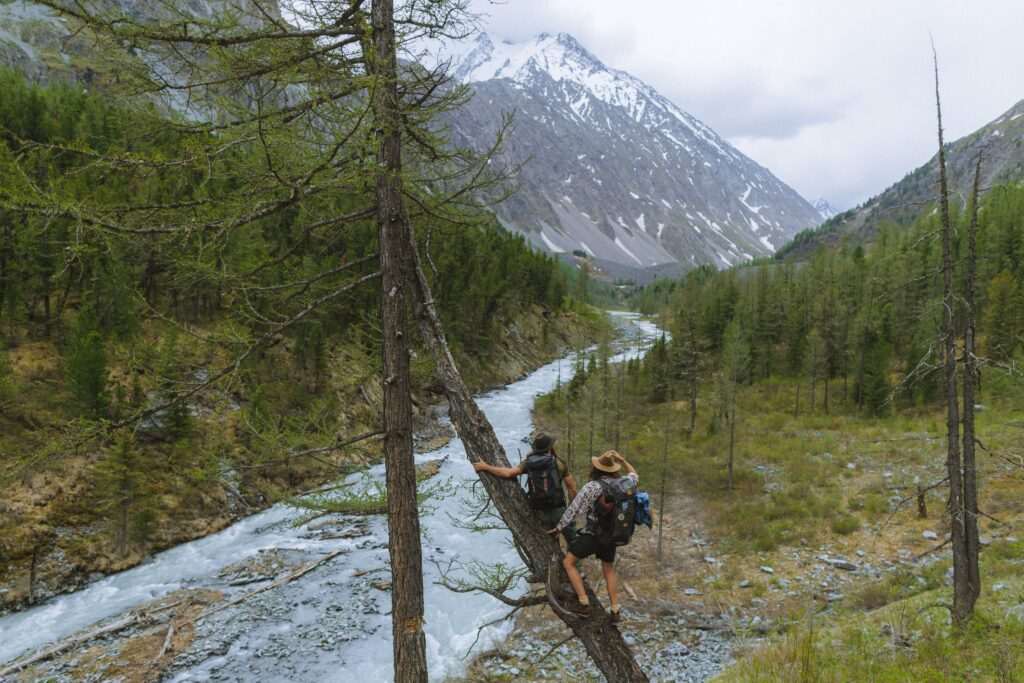
Most of Alaska’s wilderness is remote by necessity. The Resurrection Pass Trail is remote by choice — a 38-mile path through the heart of Chugach National Forest that you walk end to end over several days, sleeping in USFS cabins along the route, waking to creek sounds and the possibility of moose in the willows. The trail connects the small community of Hope on Turnagain Arm to Cooper Landing on the Kenai Peninsula, passing over Resurrection Pass at 2,600 feet of elevation and through a sequence of landscapes that shift from coastal spruce forest to open alpine tundra and back again. It is one of the most complete backcountry experiences accessible from Anchorage, and one of the best-maintained trails in the state.
The Route
The trail runs point-to-point between two trailheads: the Hope Trailhead at the end of Resurrection Creek Road near Hope, Alaska, and the Cooper Landing Trailhead off the Sterling Highway. Most hikers walk north to south, starting at Hope and finishing at Cooper Landing, though the reverse is equally valid. The full 38 miles gains and loses elevation gradually through forested creek drainages before climbing to the pass and descending into the upper Kenai River watershed.
The terrain is varied and consistently interesting. Lower sections follow Resurrection Creek through dense spruce and birch, with the creek audible most of the day. Above treeline near the pass, the trail crosses open tundra with broad views of the surrounding Chugach peaks. The descent into Cooper Landing drops through mixed forest and eventually joins the Kenai River corridor. There are no technical sections — no scrambling or route-finding — but sustained elevation gain near the pass and the overall distance make this a genuine backcountry undertaking.
The USFS Cabins
Eight public-use cabins are spaced along the trail at roughly four to six mile intervals, managed by the U.S. Forest Service and reservable through recreation.gov. Each cabin sleeps up to six people in a basic but functional shelter — wood stove, sleeping platforms, outhouse, and nearby water source. The cabins are the logistical backbone of most through-hikes; planning your itinerary around cabin availability determines your daily mileage and overall pace.
Book cabins as far in advance as possible. The reservation window opens six months ahead of the stay date, and popular summer weekends fill quickly. A typical three- to five-day itinerary spaces cabin stays at seven to twelve miles per day, which is comfortable for most backpackers carrying a moderate load. Tent camping is also permitted along the trail, which gives more flexibility but requires carrying a full shelter setup.
Wildlife on the Trail
Wildlife encounters are frequent throughout the trail corridor. Moose are the most commonly seen large mammals, particularly in the willow thickets along Resurrection Creek in the first ten miles from Hope. Black bears are present throughout; brown bears appear more frequently in the upper drainages and alpine sections near the pass. Bear canisters are strongly recommended and required in some sections — check current USFS regulations before departure. Dall sheep are occasionally visible on the ridgelines near the pass. Beaver dams and active pond systems appear repeatedly through the valley sections, and bald eagles are common overhead.
The trail sees enough foot traffic during peak season that wildlife tends to be alert and give ground early. Solo hikers should make regular noise in dense vegetation sections. The Chugach State Park and Chugach National Forest share the same ecological character, so visitors familiar with wildlife protocols from other Anchorage-area treks will feel at home here.
Shuttle Logistics
Because the trail is point-to-point, you need to arrange transportation between the two trailheads. The road distance between Hope and Cooper Landing is approximately 110 miles — not walkable and not a short detour. The standard approach is a vehicle shuttle: leave one car at Cooper Landing, drive together to Hope, hike south, and drive back from Cooper Landing. Alternatively, taxi and shuttle services operating out of the Kenai Peninsula can handle trailhead transfers for groups that prefer not to leave a vehicle unattended for several days.
Hope is reached via the Hope Highway turnoff at mile 56 of the Seward Highway. The Alaska Wildlife Conservation Center, near Portage at mile 79 of the Seward Highway, is a natural stop on the approach drive — particularly useful for families adding a wildlife center visit to a backpacking trip itinerary. The Alaska Railroad does not serve Hope directly, but the Seward train provides an alternative way to access the southern end of the trail at Cooper Landing for hikers willing to arrange a short connector.
Best Season and Conditions
The trail is typically snow-free from mid-June through early October. Early season (June) brings the highest snowpack at the pass and the most aggressive mosquitoes in the valley sections — pack accordingly. July and August offer the most reliable conditions and the longest daylight for evening camp exploration. September is often the finest month: cooler temperatures, minimal insects, early fall color in the birch and willow, and lower foot traffic than peak summer.
The trail surface can be wet and boggy in lower sections, particularly after rain. Waterproof boots are worth prioritizing over lighter trail runners for a multi-day trip. Stream crossings are generally bridged or easily fordable, though early season snowmelt can raise water levels.
Frequently Asked Questions
How long does it take to hike Resurrection Pass Trail? Most hikers complete the 38-mile route in three to five days. Fast hikers moving 15+ miles per day can finish in two days, but the standard itinerary takes three to four days using the USFS cabin system at comfortable daily mileages of eight to twelve miles.
Do I need a permit? No permit is required for hiking the trail. USFS cabin reservations are made through recreation.gov and require a nightly fee. Bear canisters are required in designated sections — check the Chugach National Forest website for current requirements before your trip.
Can I day-hike part of Resurrection Pass Trail? Yes. The first four to six miles from either trailhead offer excellent day hiking without committing to the full through-hike. The Hope end is particularly scenic along Resurrection Creek. The Anchorage Museum has exhibits on Alaska’s wilderness trails and natural history that are useful context before heading out.
What is the hardest part of the trail? The sustained climb to Resurrection Pass gaining around 1,500 feet over several miles. It is not technical, but hikers carrying full packs will feel the grade. Open tundra views at the top make the effort worthwhile.


No comments yet.