
Pottery & Hand-Building Classes Anchorage 2026
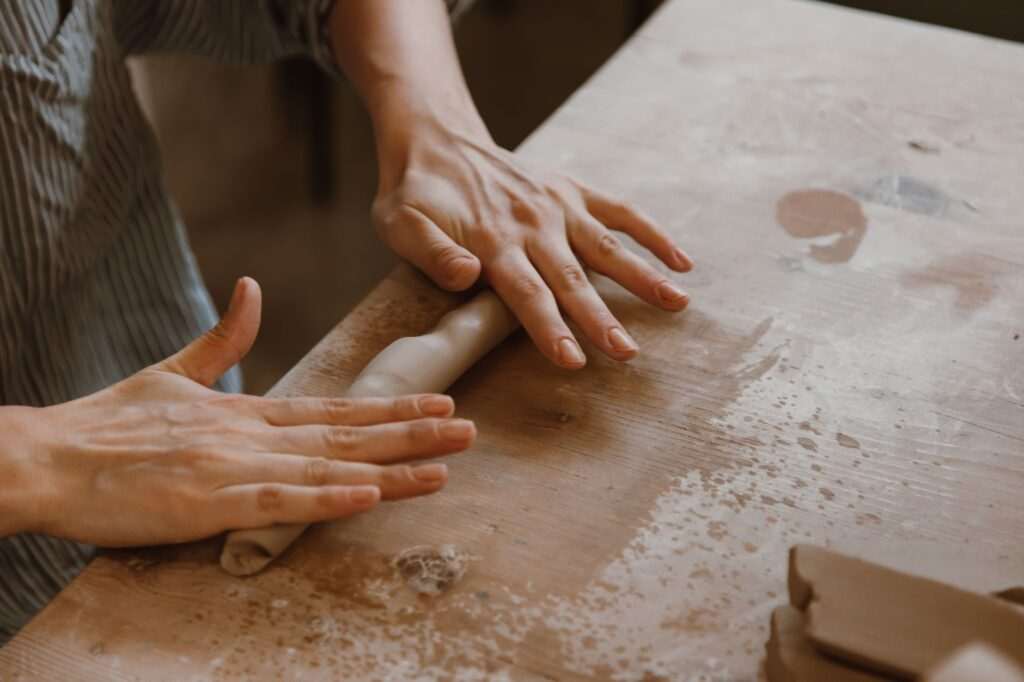
Pottery and ceramic hand-building sit at an unusual intersection in the craft world: the techniques are ancient and globally distributed, the material is fundamentally simple (clay, heat, time), and yet the learning curve extends indefinitely — skilled ceramicists with decades of practice still discover new possibilities in the same material they’ve been working since they started. Anchorage’s ceramic community has developed around a handful of teaching studios and the University of Alaska Anchorage’s art facilities, offering access to hand-building and wheel-throwing instruction that ranges from complete beginner to serious studio practice. This guide covers pottery and ceramic hand-building classes in Anchorage in 2026, the techniques involved, and how Alaska’s material culture connects to the contemporary ceramic practice available in the city.
Hand-Building vs. Wheel Throwing
Pottery class newcomers often assume that wheel throwing — the spinning-clay technique most associated with ceramics on screen — is the primary skill to learn. It’s one approach, but hand-building is equally valid, often more accessible to beginners, and in many ways more versatile for sculptural and functional ceramic work. Hand-building encompasses three fundamental techniques that don’t require a wheel:
- Pinch building: Shaping clay by pressing and rotating a ball in the hands to form walls from the center outward. Produces organic, expressive forms with visible hand marks. The most basic entry point into clay work — no tools required.
- Coil building: Rolling clay into long coils and stacking them to build walls, which are then smoothed inside and textured outside. Allows for larger, more complex forms than pinch building and is the foundation of many traditional ceramic traditions worldwide.
- Slab building: Rolling clay flat (using a slab roller or rolling pin), cutting shapes, and assembling them into forms using slip (liquid clay) as adhesive. Well-suited for architectural and geometric forms — bowls, boxes, tiles, and sculptural pieces with clean edges and flat surfaces.
Most beginner ceramic classes introduce all three hand-building methods before offering time on the wheel. This sequencing makes sense: hand-building develops clay literacy (how the material responds to pressure, moisture, and drying time) that makes wheel work more learnable when you eventually attempt it.
Ceramic Sculpture in Anchorage
Beyond functional ware (bowls, mugs, plates), ceramic sculpture uses clay as a medium for three-dimensional art without functional purpose. Anchorage’s ceramic community includes practitioners who work in sculptural modes — figures, abstract forms, architectural ceramics, and assemblage — alongside those focused on functional pottery. Workshop formats in the city accommodate both approaches, though most introductory sessions focus on functional forms that give beginners a clear structural goal.
Alaska’s natural imagery translates particularly well into ceramic sculpture: animal forms (bears, ravens, fish, moose) are a recurring subject across the city’s ceramic community, and the formline vocabulary of Northwest Coast Indigenous art has influenced many Alaska ceramic artists who work with its visual grammar in clay. Several Anchorage galleries carry ceramics from local artists, and the Anchorage Saturday Market during summer months includes ceramic vendors whose work reflects Alaska subjects and aesthetics.
Ceramic Studios and Classes in Anchorage
The University of Alaska Anchorage’s Art Department maintains ceramic facilities including hand-building tables, potter’s wheels, and kilns. Community access to these facilities is available through continuing education courses and periodic community workshops — these are the most fully equipped ceramic spaces in Anchorage and offer instruction from faculty with serious studio practices of their own.
The Anchorage Museum’s Studio programming has included ceramic workshops as part of its community arts calendar. Independent ceramic studios and teaching artists offer hand-building and wheel sessions in private studio spaces — these appear through Anchorage Eventbrite listings, local arts Facebook groups, and the Anchorage Community Calendar. The workshop market in ceramics is active enough that something is usually running within a few weeks of any given date.
Introductory hand-building workshops typically run 2–3 hours with a single project focus. Longer multi-session formats (4–6 weeks) are more common for wheel throwing instruction, which builds muscle memory that develops over repeated sessions rather than a single class. Both formats typically include glaze firing of finished pieces, which means there’s usually a 2–3 week wait after the workshop before the finished ceramic is available for pickup.
Glazing and Firing
The transformation from raw clay to finished ceramic happens in the kiln — two firings for most studio ceramics, with glaze applied between them. Bisque firing (the first fire, typically 1850°F) hardens the clay without vitrifying it; glaze firing (the second fire, 2200–2350°F for mid-fire stoneware) melts the glaze and vitrifies the clay body, producing the hard, nonporous surface of finished ceramics. Most Anchorage workshops handle firing for participants rather than requiring students to own or access their own kiln — the studio fires the finished pieces and contacts students when they’re ready.
Glaze selection is one of the most exciting and unpredictable parts of the ceramic process. Glazes that look dull and chalky unfired often transform dramatically in the kiln; glossy commercial glazes produce predictable results; hand-mixed glazes with ash, iron, or copper content produce effects that vary with kiln atmosphere, temperature, and placement. Workshops typically provide a selection of studio glazes for participants to apply; longer courses often include glaze chemistry as part of their curriculum.
Taking Your Practice Further
Ceramic practice develops with accumulated time at the clay — the feel of the material, the judgment about drying time and wall thickness, the intuition about what a form wants to become — in ways that can’t be shortcut by equipment or instruction alone. Many Anchorage beginners who catch the clay bug find their way to studio membership at a teaching studio, which provides open studio time (hours when the studio is available for independent work without instruction) alongside the kiln access and equipment that make home practice impractical without significant investment. Anchorage craft workshop participants can show and sell their finished work at year-round events including the Anchorage Market & Festival, the Anchorage Native Arts & Culture Festival, and the Alaska State Fair. Our free things to do in Anchorage guide covers the galleries and cultural venues where Alaska ceramic work is most visible, and our Anchorage hiking guide covers the outdoor environments whose forms — mountains, rivers, animal shapes — show up repeatedly in Alaska ceramic art.
Photo by ROMAN ODINTSOV on Pexels.



No comments yet.