
Birding at Potter Marsh Anchorage: Wildlife Refuge Guide 2026
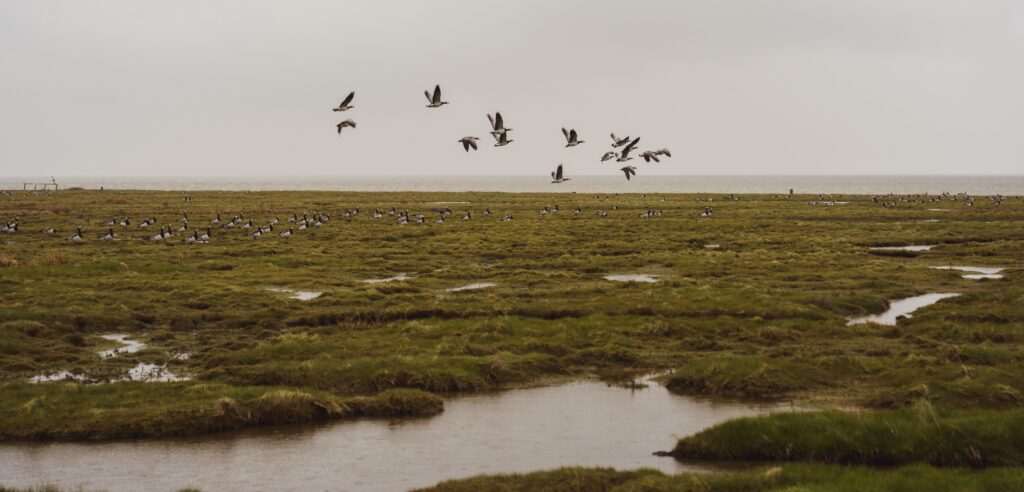
A 1,500-foot wooden boardwalk extends over the marsh at the southern edge of Anchorage, and in late May it is one of the noisiest places in the city. Arctic terns wheel overhead in tight, aggressive circles, defending nesting territory with sharp calls and occasional dive-bombs toward intruders below. Trumpeter swans glide through the channels between sedge islands. Sandhill cranes pick their way across the flats. A bald eagle lands on a snag at the marsh edge and surveys the water with the patience of something that has all day. Potter Marsh is free, accessible from the Seward Highway, wheelchair navigable, and consistently one of the best birdwatching sites in Southcentral Alaska. Most visitors spend thirty minutes here. Most birders stay for two hours.
What Is Potter Marsh?
Potter Marsh Wildlife Viewing Area is the most accessible section of the Anchorage Coastal Wildlife Refuge — a 4,000-acre complex of coastal marshes, tidal mudflats, and freshwater wetlands running along the eastern shore of Cook Inlet from south Anchorage to Potter. The refuge was established to protect the coastal wetland habitat that makes this stretch of shoreline so productive for migratory and resident wildlife. Potter Marsh itself was inadvertently created in the early twentieth century when the construction of the Alaska Railroad created a berm that trapped drainage from the Chugach foothills, forming the shallow, vegetation-rich marsh that now exists.
Access is off the Seward Highway at mile 117, just south of the city. A large parking area with interpretive signage sits directly off the highway, and the paved, wheelchair-accessible boardwalk begins immediately. No permit, no fee, no registration required. The site is managed by the Alaska Department of Fish and Game.
Birds: What to Expect by Season
Potter Marsh supports both nesting species and the full sweep of Pacific Flyway migrants — the wetland sits directly in the migratory corridor used by millions of shorebirds, waterfowl, and songbirds traveling between their southern wintering grounds and Arctic breeding sites.
May and June are the peak months. Arctic terns arrive in May to nest in the marsh, and the colony is large enough and defensive enough that boardwalk visitors routinely experience their alarm behavior — circling, calling, and occasionally striking hats and heads of people who get too close to nest sites. It is loud, animated, and unforgettable. Trumpeter swans nest in and around the marsh through early summer. Canada geese, mallards, pintails, and American widgeons are present in numbers. Common loons vocalize from the open water channels. Pied-billed grebes nest in the taller vegetation. Bald eagles hunt the marsh edge daily.
August and September bring the southward migration, with sandhill crane flocks staging nearby and shorebirds working the mudflat margins of the refuge. The silver salmon spawn in Potter Creek during late summer and fall, which draws eagles and creates the unusual spectacle of Arctic terns — birds more typically associated with open ocean — dive-bombing the shallows to pick off salmon fingerlings. Watching a tern hover and then plunge six inches into six inches of water to extract a two-inch fish is one of those wildlife moments that stays with you.
The Boardwalk Experience
The boardwalk extends 1,500 feet over open marsh, with several observation platforms offering unobstructed sightlines across the water and vegetation. Morning light — arriving from the east across the Chugach Mountains — falls favorably on the marsh surface in the first two hours after sunrise, making early visits ideal for photography. The boardwalk railing serves as a natural tripod rest for telephoto lenses. A 300mm lens or longer covers most of the active bird behavior at typical viewing distances; 500mm or more is useful for the tern colony and eagle perch shots.
The site is genuinely accessible. The paved boardwalk accommodates wheelchairs and strollers without difficulty, and the interpretive panels along the route identify common species and explain the marsh ecosystem. Families with young children find Potter Marsh works well because the active bird behavior keeps attention without requiring a long walk. A 30-minute boardwalk traverse is enough to see the highlights; extending the visit to an hour or more increases the species count substantially as different areas of the marsh become active.
Beyond the Boardwalk: The Broader Refuge
Potter Marsh is the anchor of the Anchorage Coastal Wildlife Refuge, but the refuge extends north along the coast toward downtown and connects to the broader coastal ecosystem. The Tony Knowles Coastal Trail runs parallel to the refuge boundary through much of north Anchorage, and the habitat transitions between the trail and the tidal mudflats produce their own birdwatching opportunities — particularly for shorebirds during spring and fall migration. The Alaska Wildlife Conservation Center, located further south on the Seward Highway near Portage, makes a natural second stop on a full day that begins at Potter Marsh in the morning.
Practical Tips
Arrive early — within the first hour of sunrise — for the best combination of light, active birds, and minimal human activity on the boardwalk. Mosquitoes can be significant in June and early July; bring repellent. The highway is immediately adjacent to the parking area and boardwalk entrance, so road noise is a background constant — something to account for if you are listening for bird calls rather than just watching. Binoculars are useful even from the boardwalk, as some species work the far margins of the marsh beyond comfortable naked-eye range.
Bring a birding app loaded with Pacific Northwest and Alaska species — eBird’s Alaska data for Potter Marsh shows over 130 species recorded at the site, and having a reference makes the visit significantly richer. The Anchorage Museum includes natural history exhibits that provide useful context on Alaska’s migratory flyways and coastal ecosystems — a good follow-up stop for visitors who want to deepen what they observed at the marsh.
Frequently Asked Questions
Do I need a fishing license to watch birds at Potter Marsh? No. The boardwalk and wildlife viewing area are free and open to all visitors without any license or permit. A fishing license is required if you are actually fishing Potter Creek during the salmon season.
When is the best single day to visit? A calm morning in late May or early June, ideally when the tern colony is active and the swans are still on nesting territory. Check recent eBird reports for the site before visiting to see what species are currently active.
Is the boardwalk accessible year-round? The parking area and boardwalk are accessible year-round, though winter visits are quieter — most migratory species have departed and the marsh is often partially frozen. The site sees its lowest visitor traffic and lowest bird diversity from November through March.

No comments yet.