
Potter Marsh Bird Observatory 2026: Anchorage’s Best Birding Boardwalk
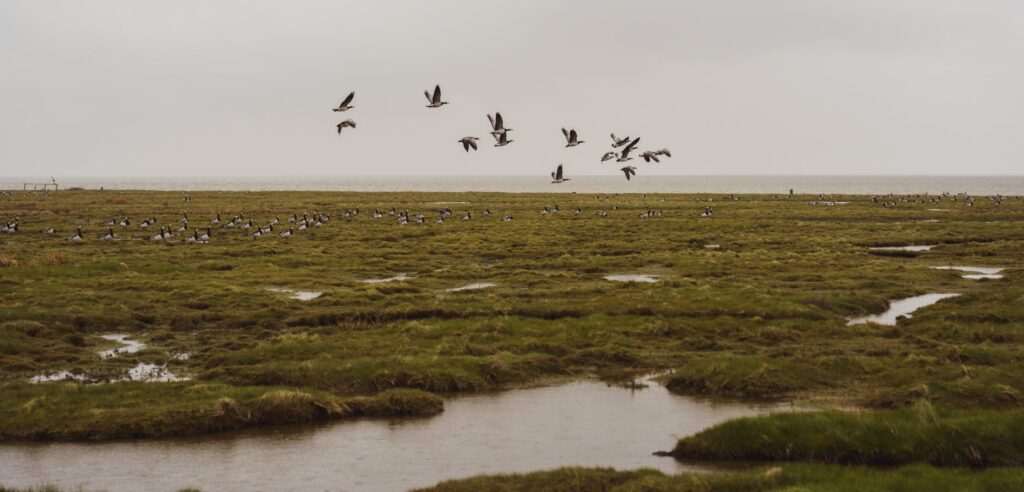
Potter Marsh Bird Observatory sits at the southern edge of Anchorage, just off the New Seward Highway, and it’s one of the most accessible wildlife experiences in the city. A free, paved boardwalk extends over the coastal marsh, giving you eye-level views of the wetland without waders, a guide, or any gear beyond binoculars. For birders and casual wildlife watchers alike, the Potter Marsh Bird Sanctuary delivers the kind of encounter most visitors drive to remote refuges to find — and it takes about 20 minutes from downtown Anchorage.
What Potter Marsh Is
Potter Marsh is a freshwater coastal marsh created in the 1920s when the Alaska Railroad built a berm along Turnagain Arm, trapping freshwater drainage from the surrounding hillsides. What began as a byproduct of infrastructure became one of Anchorage’s most productive wildlife habitats. The marsh sits within the Anchorage Coastal Wildlife Refuge — roughly 2,000 acres of protected wetland between the city and Cook Inlet.
The marsh functions as a critical staging and nesting area for migratory birds on the Pacific Flyway. Hundreds of species use it during spring and fall migration, and several dozen nest here through the summer. In terms of accessible birding close to an urban center, there aren’t many places in North America that match it for sheer diversity per square foot of boardwalk.
The Boardwalk Experience
The main boardwalk extends about a quarter-mile over open water and marsh vegetation, with multiple viewing platforms along the way. It’s paved and level — fully accessible for wheelchairs and strollers — and runs parallel to the highway on the inlet side before looping back. You don’t need to hike to use it. The lot is right off the highway, there’s no fee, and you can be back in the car in under an hour if you’re pressed for time (though most people linger longer than they planned).
The elevated platforms give you a clear sight line above the reeds in all directions. Dawn and dusk light is spectacular here, with the Chugach Mountains providing a backdrop to the east and Turnagain Arm glinting to the south on clear days. Bring more memory card space than you think you’ll need.
Birds You’re Likely to See
The spring bird migration at Potter Marsh is the headline event — May and early June bring the largest numbers and the most species variety. Here’s what to look for through the season:
- Trumpeter swans — among the largest birds you’ll ever see in the wild, and they nest at Potter Marsh. Adults often stay visible on open water through the summer.
- Arctic terns — noisy, acrobatic, and aggressive about their nesting areas. They hover and dive right off the boardwalk platforms. Watch your head during nesting season.
- Shorebirds — dunlin, least sandpiper, semipalmated plover, and western sandpiper move through in large numbers during spring and fall migration. Peak fall shorebird movement runs late July through early September.
- Ducks and grebes — mallards, green-winged teal, northern pintail, red-necked grebes, and horned grebes are present through much of the open-water season. Early morning is best for viewing before boat activity on the inlet disturbs patterns.
- Bald eagles — present year-round. Watch for them perched in the spruce trees along the marsh edge or flying low over the water. For dedicated eagle watching, spring eagle watching on Turnagain Arm just south of the marsh is one of the best sites in Southcentral Alaska.
- Moose — not birds, but Potter Marsh moose sightings are common enough to mention. Cow moose with calves use the marsh edges in late May and June. Keep your distance.
Best Times to Visit
Spring migration (mid-May through early June) is the most dynamic window — the marsh is loud, layered, and packed with activity as birds arrive from wintering grounds and begin setting up territories. If you can only come once, come in mid-May.
Summer (June through July) offers nesting activity: swan families on open water, tern colonies along the boardwalk, and consistent waterfowl presence. It’s quieter than spring migration but more photogenic for portraits of individual birds.
Fall migration (late July through September) is underrated. Shorebird numbers peak in August, and the marsh takes on autumn colors by early September. Fewer visitors, lower light, longer shadows — serious photographers often prefer this window.
The Anchorage Audubon Society runs guided bird walks at Potter Marsh and other Anchorage sites through the season. If you want context for what you’re seeing — species identification, migration timing, local habitat notes — an Audubon walk is the best investment of a morning you can make.
Photography Tips
The boardwalk platforms put you at water level for larger birds like swans and grebes — use it. A 300mm lens or longer handles most bird portraits from the platform without disturbing nesting activity. Morning light comes from the east, backlighting the mountains and lighting the birds from the front. Arrive before 8 a.m. on clear days for the best combination of light and activity.
The terns will give you aerial shots if you’re patient — they hover for several seconds before diving, which gives autofocus systems time to lock. Watch the patterns from a platform before raising the camera. Early in the season, watch where the swans are feeding; they tend to return to the same patches of open water, making composition predictable.
Nearby Stops: Turnagain Arm
Potter Marsh sits at the north end of the Turnagain Arm scenic corridor. From the parking lot, you’re already on the New Seward Highway with some of Alaska’s most dramatic coastal scenery starting immediately to the south. A few stops worth adding to the same day:
- Beluga Point and Bird Creek — pull-outs along the highway where belugas are sometimes visible feeding in the inlet, especially on incoming tides. Turnagain Arm beluga whale viewing peaks in spring and early summer.
- Indian Valley and Girdwood — 30 to 45 minutes south, both worth building into a full-day loop.
Practical Information
Potter Marsh is free and open year-round. There’s a paved parking lot directly off the New Seward Highway at approximately mile 117.4, about 10 miles south of downtown Anchorage. Facilities are limited — a pit toilet at the trailhead, nothing more. The boardwalk is fully accessible and can handle most mobility equipment. No dogs on the boardwalk during nesting season (posted signs confirm the seasonal restriction).
Is Potter Marsh free to visit?
Yes — there’s no entrance fee, no parking fee, and no reservation required. The boardwalk and parking lot are maintained by the Alaska Department of Fish and Game as part of the Anchorage Coastal Wildlife Refuge. You can show up any time during daylight hours.
How long is the Potter Marsh boardwalk?
The main boardwalk loop is roughly a quarter-mile, which most visitors walk in 20 to 40 minutes. In practice, most people spend longer — the viewing platforms encourage stopping, and bird activity can hold your attention for an hour or more without covering much ground.
What is the best month to visit Potter Marsh for birding?
Mid-May through early June is the peak for species diversity and sheer activity — spring migration is in full swing, nesting has begun, and the marsh is at its most dynamic. August is the best month for shorebirds specifically. If you’re visiting in summer outside those windows, you’ll still see nesting waterfowl, eagles, and resident species on any morning visit.
Potter Marsh doesn’t require a long drive, a permit, or a guide to deliver a genuine Alaska wildlife experience. It’s one of the few places in Anchorage where you can leave the car, walk 200 feet, and be eye-level with trumpeter swans. If you’re spending any time in the city, it belongs on the itinerary.

No comments yet.