
Ninilchik & Anchor Point 2026: Razor Clams & Hidden Gems at the End of the Kenai
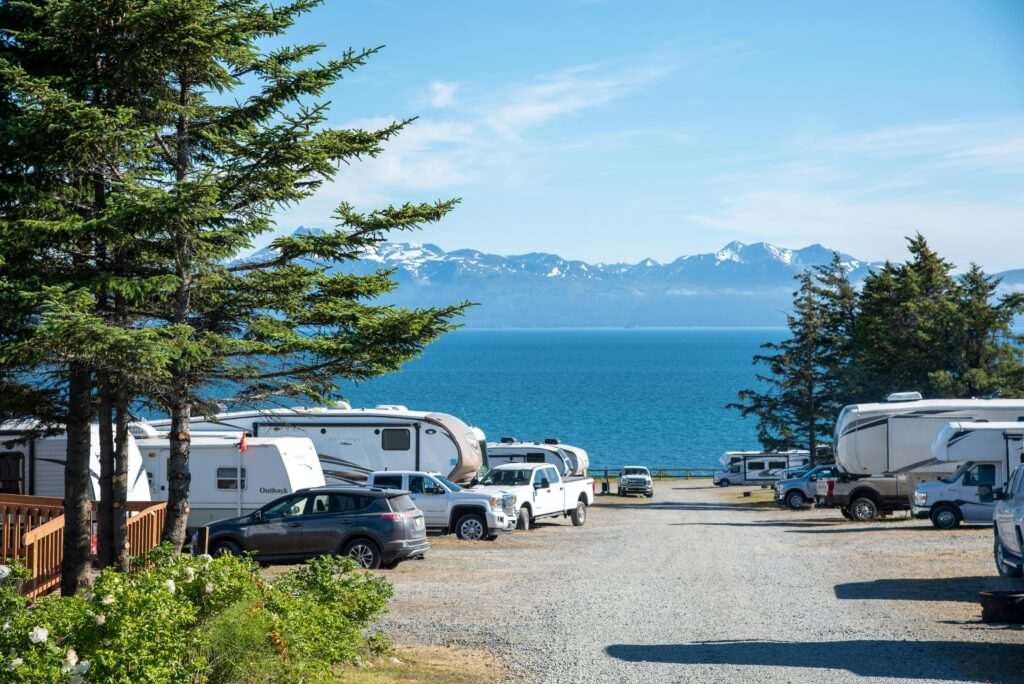
Most visitors to the Kenai Peninsula turn around at Homer. The town at the end of the spit is a legitimate destination — the fishing, the arts community, the views across Kachemak Bay — and it feels conclusive in the way that places at the end of roads often do. But the Sterling Highway continues north from Homer, and in the 50 miles between Homer and Soldotna lies a stretch of coastline that the majority of tourists never reach: the villages of Ninilchik and Anchor Point, a razor clam beach that is one of the best in Alaska, and the geographic endpoint of the entire North American road system. For visitors willing to add a day on either end of a Homer trip, this stretch of the southern Kenai Peninsula delivers the kind of find that makes Alaska road trips memorable long after the scenic viewpoints have blurred together.
The Drive: Sterling Highway North of Homer
The Sterling Highway north of Homer follows the western coast of the Kenai Peninsula at varying distances from the bluffs above Cook Inlet. Between Anchor Point and Ninilchik — a stretch of about 20 miles — the highway rises and falls through spruce forest broken by occasional glimpses of the inlet, the volcanic arc of the Alaska Peninsula visible across the water on clear days. This is not the dramatic mountain scenery of the Seward Highway corridor, but it has a quieter, more agricultural character that feels genuinely off the tourist track. The small communities here have subsistence traditions that predate Alaska statehood by generations, and the pace of life visible from the highway is calibrated accordingly.
Ninilchik Village
Ninilchik is one of the oldest continuously occupied Russian settlements in Alaska. The village was established in the early nineteenth century by retired employees of the Russian-American Company who chose to remain in Alaska after the fur trade contracted, and their descendants — many of whom still speak a dialect of Russian and carry Russian surnames — have maintained the community for nearly 200 years. The physical center of the historic village sits below the highway bluff on a small gravel spit at the mouth of the Ninilchik River, its wooden houses and drying racks arranged in the pattern of a working subsistence village rather than a tourist attraction.
The Holy Transfiguration of Our Lord Russian Orthodox Church stands on the bluff above the village, visible for miles from the highway and from Cook Inlet. The white-painted church with its onion domes is one of the most photographed structures in Alaska and one of the few buildings that looks exactly as striking in person as it does in photographs. Services are still held here; the church is an active parish, not a museum piece. Walk up the gravel path from the village parking area to the church grounds for the full view across the inlet toward the Aleutian Range.
Deep Creek, a few miles north of the village center, is one of the most productive salmon and halibut beaches on the inlet. During the king salmon run in June and early July, combat fishing on the Deep Creek access road can rival the Kenai River in intensity — anglers standing shoulder-to-shoulder in the surf casting for fish that come within range of shore gear. The halibut fishing from shore and from small boats launched off the beach is productive through the summer. This is genuine Alaska subsistence and sport fishing in a setting that has no visitor infrastructure beyond a paved access road and a small parking area.
Razor Clamming at Clam Gulch
Clam Gulch, 15 miles north of Ninilchik on the Sterling Highway, holds one of the best razor clam beaches in Alaska. The beach is wide, flat, and expansive — during extreme low tides in spring and early summer, the flats extend hundreds of yards from the bluff — and the razor clam population is dense enough to produce limits on a good minus tide. The season is open year-round, but the tides that expose the productive clamming grounds occur in spring (March–May) and again in late summer (July–August), and planning a visit around a minus-2.0 or lower tide makes the difference between a marginal outing and a full clam box.
Razor clamming requires a valid Alaska shellfish license ($20 for non-residents, available online through the Alaska Department of Fish and Game). The daily limit is 60 razor clams per person. The technique is specific to the species: razor clams retract rapidly when disturbed — faster than most people expect — and catching them requires identifying the “show” (a small depression or keyhole shape in the wet sand where the clam sits just below the surface) and driving a clam gun or shovel directly over it before the clam retreats. A clam gun is a hollow tube, typically 4–5 inches in diameter, that extracts a plug of sand with the clam inside. Most hardware stores and sporting goods shops in the Kenai area sell or rent clam guns for a few dollars. The productive clamming grounds are within a half-mile of the state campground access road; no long beach walk is necessary to reach them.
Anchor Point
Anchor Point, a few miles south of Ninilchik, holds a distinction that gets more interesting the more you think about it: it is the westernmost point on the continuous North American highway system. The road ends here in the sense that no connected road goes farther west on the continent. A sign at the beach access marks the achievement, and the beach itself — gray gravel and driftwood above the tide line, looking west toward the Cook Inlet and ultimately Asia — has a quality of finality that matches the geography.
The Anchor River that flows through Anchor Point has a king salmon run in late spring and early summer that draws significant numbers of sport anglers. The river is small and wadeable, and the king salmon that push this far up the system are large fish in a confined channel — a very different experience from fishing a large river. Access is easy from multiple pullouts along the Anchor River Road.
Camping and Logistics
The Alaska state park campgrounds along this stretch are among the most affordable and scenic camping in the Kenai Peninsula. Clam Gulch State Recreation Area sits directly above the clamming beach; Deep Creek State Recreation Area has sites with Cook Inlet views and beach access. Both charge standard Alaska state park fees ($20–$25 per night). Reservations are recommended for July and August; May and early June sites often available without advance booking. Bring your own firewood — gathering is prohibited in state recreation areas.
For supplies and gear, Alaska Wild Berry Products in Homer is a worthwhile stop on the drive out or back, and Homer’s full complement of grocery stores and sporting goods shops handles any clamming equipment needs. The Russian River Falls area on the Kenai Peninsula represents the broader range of Kenai Peninsula natural experiences available in the same multi-day trip framework — bears at the falls, salmon fishing in the river, the dramatic canyon terrain that the southern Kenai highway drive doesn’t show.
Building a Southern Kenai Itinerary
A two-night trip from Anchorage covers the highlights comfortably: drive to Homer on day one (220 miles, 4.5 hours), spend the morning at Deep Creek or the Ninilchik church before arriving in Homer by afternoon, sleep in Homer. Day two: drive north for a morning razor clam session at Clam Gulch on a minus tide, stop at Anchor Point for the geography marker and river access, return to Homer for the afternoon and dinner. Drive home on day three. The itinerary is relaxed enough to add fishing, bear viewing, or a night at Clam Gulch campground without feeling rushed. Few Alaska road trips of this length deliver this much variety.
Photo: John De Leon / Pexels


No comments yet.