
Midnight Sun Activities Guide: 22+ Hours of Daylight in Anchorage 2026
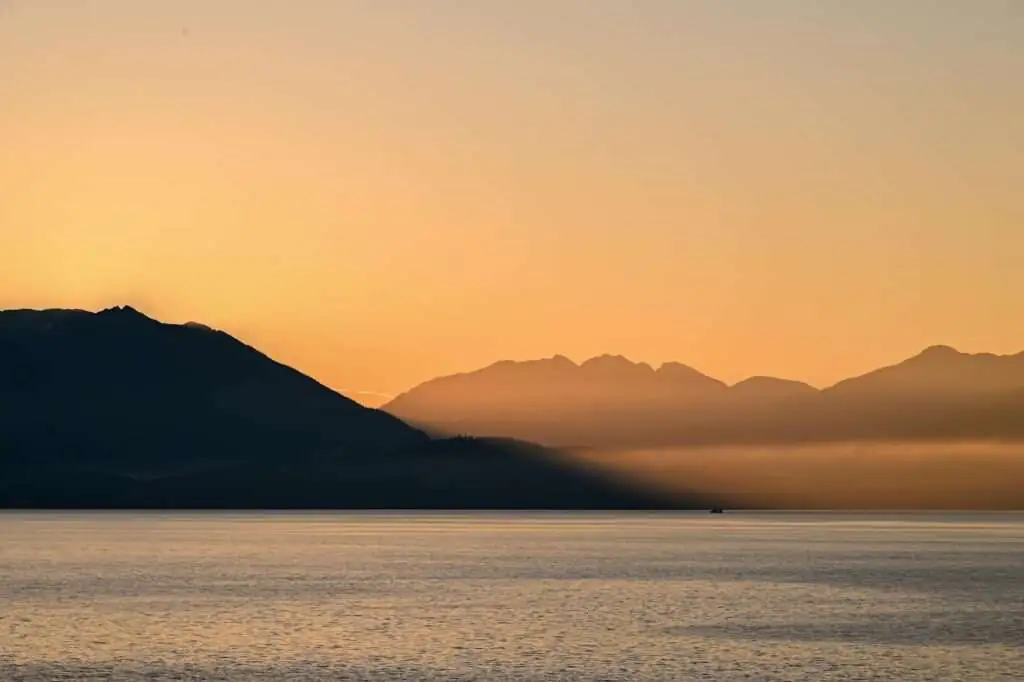
When Anchorage experiences its legendary midnight sun from mid-May through late July, you’re looking at nearly 22 hours of usable daylight. That’s not a travel brochure exaggeration—it’s the kind of extended day that completely changes how you can experience Alaska. Whether you’re here for photography, hiking, fishing, or just want to see what 10 PM looks like when it feels like afternoon, this guide covers how to make the most of Anchorage’s most distinctive season.
The midnight sun isn’t just about staying up late. It’s about having enough light to fish Ship Creek at 11 PM, photograph the Chugach mountains during golden hour that lasts for hours, and schedule outdoor activities without constantly watching the clock. Here’s how to plan your midnight sun experience in Anchorage.
Best Photography During Midnight Sun Season
The extended golden hour is what makes midnight sun photography legendary in Alaska. In Anchorage, prime photography light runs roughly from 9 PM to 2 AM, when the low-angle sun creates that warm, diffused lighting photographers chase everywhere else at 6 AM.
For the best shots, focus on locations with mountain backdrops. Westchester Lagoon gives you Cook Inlet views with the Alaska Range in the distance, while higher elevation spots like Williwaw Lakes Trail offer alpine settings that look incredible in extended light.
Equipment-wise, you don’t need specialized midnight sun gear—this isn’t northern lights photography. Standard landscape kit works fine, but bring a polarizing filter to cut reflections and maybe a tripod for longer exposures as the sun gets lower. The Anchorage Aurora & Astrophotography Workshop Series often runs midnight sun sessions for photographers who want guided techniques.
Late-Night Outdoor Activities That Actually Work
The beauty of midnight sun season is that “late” becomes relative. Activities that feel rushed during normal daylight hours suddenly have room to breathe.
Midnight Fishing
Ship Creek salmon fishing during midnight sun is surreal—you’re casting in downtown Anchorage at 11 PM with plenty of light to see your line. Peak salmon runs typically hit in June, right during the longest days. The extended light means you can fish prime times without cutting into sleep or other activities.
For a change of scenery, Bird Creek offers more scenic midnight fishing with Turnagain Arm views, though the drive takes more commitment late at night.
Extended Hiking
Trails that normally require early starts become all-day options. Middle Fork Loop Trail is perfect for families who want to hike after dinner and still get back before real darkness. More ambitious hikers can tackle longer routes like Indian Creek Trail without time pressure.
Safety note: even with extended light, let someone know your hiking plans. Weather can change quickly in Alaska mountains, and having 20+ hours of light doesn’t eliminate other wilderness risks.
Midnight Golf and Cycling
Anchorage golf courses often extend hours during midnight sun season, and the cooler temperatures make evening rounds more comfortable than midday heat. Pablo’s Bicycle Rentals sees increased late-evening business for the same reason—cycling the Tony Knowles Coastal Trail at 10 PM offers great light and fewer crowds.
How to Plan Extended Daylight Adventures
The trick to midnight sun season isn’t cramming more activities into each day—it’s rethinking how you schedule around comfort, crowds, and natural rhythms.
Energy and Sleep Considerations
Continuous light affects sleep patterns, even with blackout curtains. Most visitors do better with flexible schedules rather than trying to maintain normal bedtimes. If you’re naturally a morning person, embrace early activities when most tourists are still sleeping. Night owls can explore Anchorage after 8 PM when day crowds thin out.
Restaurant and Service Hours
Don’t assume everything stays open just because it’s light out. Most Anchorage restaurants keep normal hours regardless of daylight, though some extend patio service. Call ahead for late-night dining options, or pack snacks for extended outdoor activities.
Multi-Activity Day Planning
With 22+ hours of light, you can realistically combine activities that normally compete for time. Start with morning wildlife viewing, transition to afternoon sightseeing, add evening fishing, and finish with midnight photography. The key is building in rest periods and avoiding the temptation to overbook just because you can.
Midnight Sun Events and Festivals
Anchorage builds events around the midnight sun phenomenon, taking advantage of the unique light and extended hours.
Summer Solstice Festival (June 20-21)
The longest days of the year call for celebration, and Anchorage responds with outdoor concerts, late-night markets, and extended hours at attractions. Check the Anchorage Market & Festival for special solstice programming.
Midnight Sun Baseball
The Alaska Goldpanners play midnight sun games without artificial lighting—a tradition that draws baseball fans who want to experience America’s pastime under the midnight sun. Games typically start around 10:30 PM and run past midnight entirely in natural light.
Photography Meetups and Workshops
Local photography groups organize midnight sun shoots, often combining instruction with prime shooting locations. The Alaska Wildflower & Nature Photography Workshop Series sometimes schedules special midnight sun sessions for wildflower photography under extended light.
Making the Most of 22-Hour Days
The biggest mistake visitors make during midnight sun season is trying to pack 22 hours of activities into every day. That’s a recipe for exhaustion, not a better Alaska experience.
Instead, use the extended light strategically. Schedule photographer-friendly activities during optimal late-evening light. Plan hiking or fishing during cooler morning or evening hours rather than midday heat. Use the flexibility to avoid crowds—many popular spots clear out after 6 PM even when it’s still bright.
Most importantly, embrace the surreal nature of the experience. There’s something profound about fishing downtown Anchorage at 11 PM in full daylight, or watching the sunset slowly circle around the horizon rather than dropping behind it. That’s the real value of midnight sun season—not just longer days, but completely different rhythms.
Practical Midnight Sun Tips
Bring blackout curtains or an eye mask if you need darkness to sleep. Many hotels provide them, but they’re worth packing for peace of mind.
Don’t rely on hunger cues or darkness to tell time—set alarms for meals and important activities. It’s easy to lose track of time when it feels like 3 PM at 10 PM.
Pack layers even for midnight activities. Alaska summer evenings can be cool despite bright light, especially near water or at elevation.
Take advantage of extended shopping and service hours where they exist, but call ahead to confirm. Some businesses extend hours during peak season, others stick to standard schedules regardless of light.
When does midnight sun season happen in Anchorage?
Anchorage experiences its longest days from mid-May through late July, with peak midnight sun around the summer solstice (June 20-21). During this time, you’ll get nearly 22 hours of usable daylight, with only a few hours of twilight rather than full darkness.
Can you really see the midnight sun from Anchorage?
Yes, but it’s more accurate to call it extended twilight. The sun doesn’t stay completely above the horizon at midnight like it does in Barrow, but it drops so low that darkness never really arrives. You’ll have bright daylight until around 10 PM, then extended golden hour light well past midnight.
What’s the best time for midnight sun photography?
The magic hours run from about 9 PM to 2 AM, when the low-angle sun creates warm, golden lighting. This extended golden hour is much longer than typical sunset photography windows, giving you hours to work with perfect light instead of minutes.
Do businesses stay open later during midnight sun season?
Some do, but don’t assume everything extends hours just because it’s light out. Many restaurants keep standard hours, though some bars and outdoor activity providers extend operations. Always call ahead to confirm late-night availability for dining or services.
Final Take
Midnight sun season transforms Anchorage from a city that works around daylight into one where daylight works around you. Whether that means photographing the Chugach Range at 11 PM, fishing Ship Creek after a late dinner, or hiking family trails that would normally be too long for an evening outing, the extended light opens up possibilities that don’t exist anywhere else.
The key isn’t cramming more activities into longer days—it’s using the flexibility to do things better. Fish when the light is right and the crowds are gone. Hike when temperatures cool down. Photograph during hours of golden light instead of minutes. That’s how you turn 22 hours of daylight into experiences you’ll actually remember.
Featured photo by Beth Fitzpatrick on Pexels.

No comments yet.