Kenai River King Salmon Fishing 2026: Planning Your Trip from Anchorage
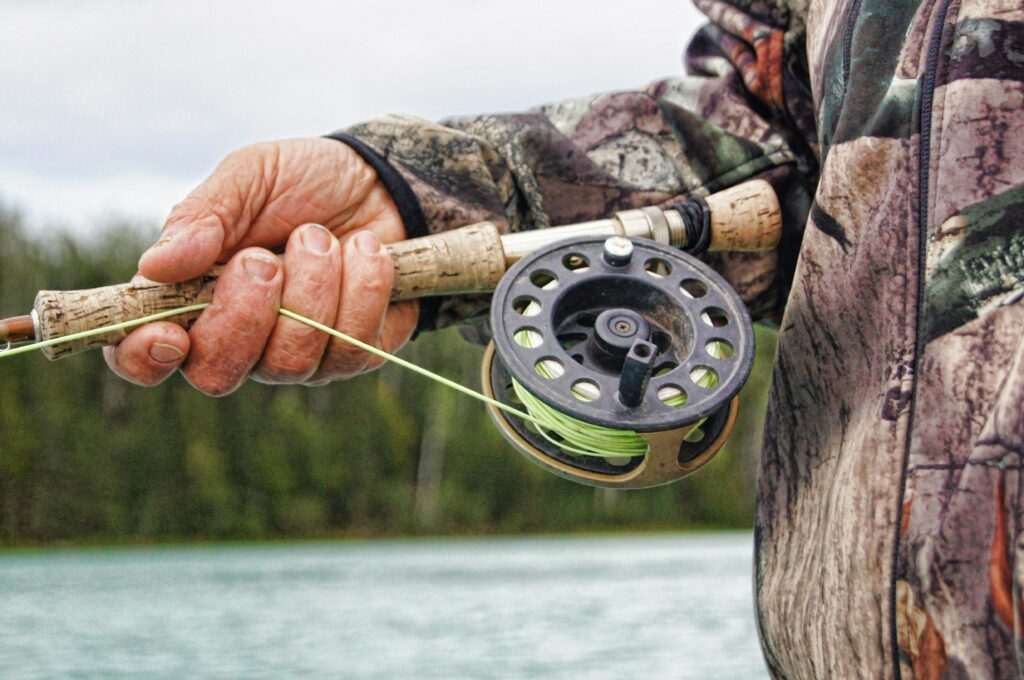
The Kenai River king salmon run is one of the most storied fisheries in the world. Chinook — called king salmon in Alaska, as they should be — push up from Cook Inlet into the Kenai River system each summer in numbers that draw anglers from across North America and beyond. Fishing for Kenai kings has defined Alaskan sport fishing for generations. Here’s everything you need to plan your trip from Anchorage in 2026.
The Two Runs: Early and Late Season
The Kenai River has two distinct king salmon runs, and they fish differently.
The early run typically peaks in late May and early June. These fish are smaller on average than the late-run kings — 20 to 40 pounds is typical, with 50-pounders notable — but the river is less crowded and conditions are excellent. Early-run fishing is concentrated in the lower river near Kenai city and the middle river around Soldotna.
The late run peaks in mid-July and is what most out-of-state anglers target. Late-run Kenai kings average larger than virtually any king salmon fishery on earth — this river has produced the world sport-fishing record (97 pounds, 4 ounces), and late-run fish routinely run 50 to 80+ pounds. The tradeoff: peak pressure. The Kenai in mid-July is one of the most intensively fished rivers in Alaska, with drift boats, guided clients, and shore anglers competing for the same water.
Current season dates are set annually by the Alaska Department of Fish and Game based on run projections. Always verify 2026 dates and any emergency orders at adfg.alaska.gov before booking — regulations can change in-season based on actual run returns.
Getting There from Anchorage
The drive from Anchorage to the Kenai River takes approximately 2.5 hours depending on your destination. Take the Seward Highway south along Turnagain Arm to the Sterling Highway junction at Tern Lake, then continue west. Cooper Landing is about 100 miles from Anchorage; Soldotna is about 150 miles.
Traffic on the Sterling Highway corridor is heavy in peak salmon season, particularly on summer weekends. Early departures (4–5 AM) are standard for fishing days that start at first light.
Access Points: Where to Fish
Cooper Landing (upper river): The river here is fast and technical — deep pools and eddies behind boulders where kings hold. Guided drift boat trips through the canyon section of the river are excellent. The scenery (Kenai Lake visible upstream, canyon walls) is stunning. Cooper Landing is primarily guided-trip territory; independent bank fishing access is limited in the upper canyon.
Soldotna (middle river): This small city on the Kenai River is the hub of the middle-river fishery. Multiple boat launches, bank fishing access at Centennial Park and along the river, a density of guide services, tackle shops, and fish processing facilities. Soldotna is where most Anchorage-based anglers stage for Kenai king trips.
Kenai city (lower river): The lower river near the town of Kenai is broader, slower, and productive for kings during both runs. Bank fishing access is available at several public parks and boat launches. The lower river also produces excellent sockeye and silver salmon runs in their respective seasons.
Guided Charter vs. DIY
For Kenai kings, guided trips are highly recommended for first-timers and strongly preferred even by experienced anglers unfamiliar with the specific river sections.
Cook Inlet Charters and other established Kenai Peninsula operators offer guided drift boat trips for kings that include the boat, guide, tackle, and local knowledge that genuinely affects catch rates. Rates typically run $200–$350 per angler for a half-day guided drift, depending on the operator, boat size, and season. Shared trips are available; private charters cost more but give you flexibility on timing and technique.
DIY bank fishing is legitimate but requires knowing which access points produce in which conditions. The Soldotna city park water on the Kenai is the most productive public-access bank fishery for kings — it gets crowded fast during peak season.
Gear and Technique
King salmon require heavy gear by freshwater standards. Standard bank and boat rod setups for Kenai kings typically run 9–10 foot rods in medium-heavy to heavy action, paired with level-wind reels holding 40–65 lb braided line with a monofilament or fluorocarbon leader.
The dominant techniques are back-trolling with plugs (Kwikfish, Mag Lip) or bottom-bouncing with bait. Guide-run drift boat trips typically use back-trolling. Bank anglers often use side-drifting or bait presentations. Check current ADF&G regulations on bait and terminal gear restrictions for the specific section of river you’re fishing — some areas have bait restrictions that vary by run timing.
License, Stamps, and Regulations
You’ll need an Alaska Sport Fishing License and a King Salmon Stamp before fishing. Licenses are available at adfg.alaska.gov or at sporting goods stores throughout the Kenai Peninsula. The king stamp currently costs $20 for non-residents and covers up to two kings annually. See the current ADF&G Sport Fishing Regulation Summary for bag limits, gear restrictions, and emergency orders specific to the Kenai — these can change in-season.
Processing and Shipping Fish Home
If you catch a king, several processing facilities in Soldotna and on the Kenai Peninsula will vacuum-pack and freeze your fish for travel. Many can arrange shipping directly to your home address in the contiguous US. A 50-pound king yields roughly 25–30 pounds of processed fillets. Plan your processing in advance if you’re fishing late-run season and want to avoid long waits — peak-season processing facilities get busy.
Airlines typically allow frozen fish in checked baggage (packed in an insulated box). Verify current allowances with your carrier before you travel.
What to Expect at Peak Season
The Kenai River in mid-July is genuinely crowded. Drift boats queue up at the launch. The bank fishing spots fill before dawn. Traffic on the Sterling Highway backs up. None of this means the fishing is bad — it means a world-class fishery is doing what world-class fisheries do when the word gets out. Go with reasonable expectations: you may catch a king, you may not. The river and the experience are worth the trip regardless.
Booking guide trips early (ideally in winter for peak July dates) is the best way to lock in the dates and boats you want.
Another top option for Kenai River guided fishing trips is Adventures by True North, offering full-day guided Kenai salmon charters.



No comments yet.