
Kenai River Fishing 2026: King Salmon & Sockeye Near Anchorage
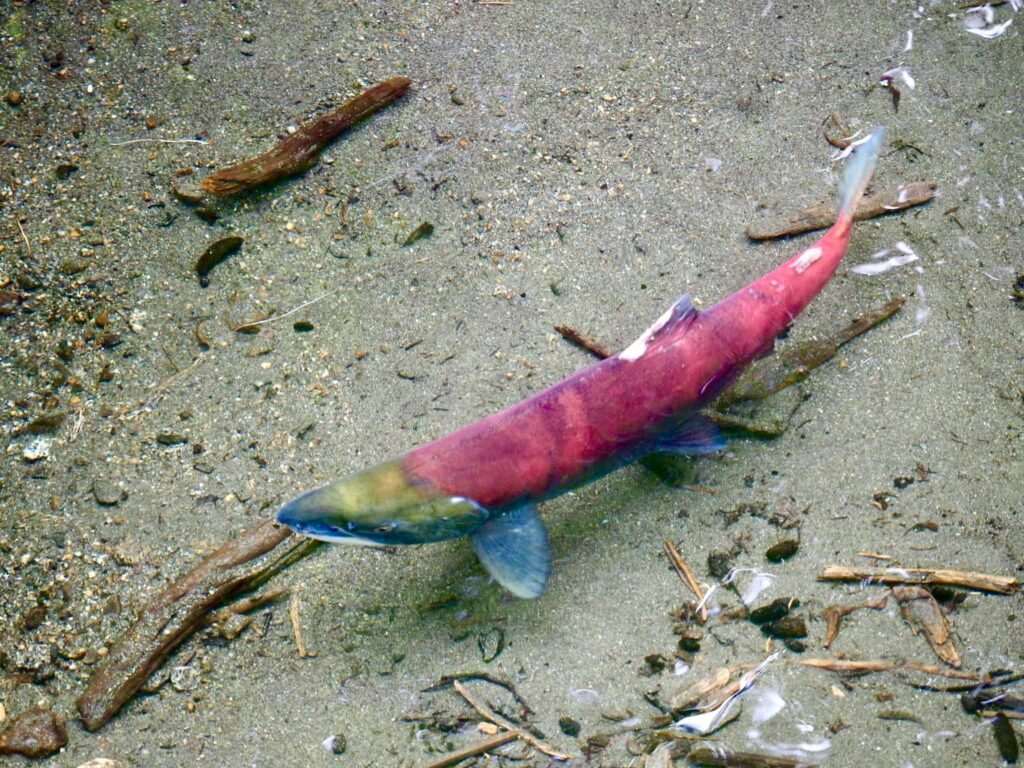
The Kenai River has produced some of the largest king salmon ever caught on rod and reel — including a 97-pound world-record Chinook landed near Soldotna in 1985 that still stands. That number reframes what Alaska salmon fishing actually means. The Kenai isn’t just a famous river; it’s one of the few places in the world where catching a king over 60 pounds is a realistic expectation for a competent angler with a guide. Add two massive sockeye runs and silver salmon in the fall, and you have the most productive accessible salmon fishery within 2.5 hours of Anchorage.
King Salmon Season
King salmon (Chinook) are the primary draw. The river sees two runs: the first arrives in late May through June, with fish averaging 35–50 pounds. The second, larger run peaks in mid-July and produces the heaviest fish of the year — specimens over 80 pounds are caught here often enough that guides take them seriously as a target.
King fishing on the Kenai requires a guide for most visitors. The river’s dynamics reward local knowledge far more than general angling experience. Most guided king trips run from drift boats, covering miles of productive water using back-trolling techniques that put plugs and herring in front of holding fish. Book through Soldotna or Cooper Landing outfitters well in advance; July king slots fill months ahead.
Sockeye Salmon Season
Sockeye salmon — reds — are the Kenai’s most democratically accessible fishery. The river sees two runs: the first peaks in mid to late June, the second and larger run peaks in late July through early August. At peak, tens of thousands of sockeye enter the river daily, stacking in pools and moving in visible masses. Bank fishing during the second run can be shoulder-to-shoulder in the best spots, but the catch rate remains impressive.
The Russian River confluence is the most famous sockeye bank fishery on the Kenai system. The Russian River empties into the Kenai near Cooper Landing, and the confluence creates a holding area where sockeye stack before moving upstream. The Russian River Falls Bear Viewing area — a short trail from the confluence — offers a parallel attraction: brown bears wading into the falls to intercept sockeye, often in full view from the viewing platforms. Sockeye fishing requires a dipnetting technique that differs from lure or bait fishing; guides who specialize in sockeye teach it quickly to first-timers.
Silver Salmon and Later Season
Silver salmon (coho) begin arriving in August and run through September. Silvers are aggressive fish that hit lures readily, making them popular with anglers who prefer conventional gear and a more active fight. By August the king pressure has subsided, temperatures cool, and the Kenai settles into a less crowded late-season rhythm. September fishing for silvers is significantly underrated for visitors with flexible timing.
Guided vs. Independent Fishing
For king salmon, guided drift boat trips are the standard approach. The local knowledge required to position a drift boat in current and present baits correctly takes seasons to develop — bringing a guide is a practical necessity, not a luxury. For sockeye bank fishing, experienced anglers can fish independently from public access points. The Russian River confluence and the Soldotna city park are both walkable bank fisheries with established access. If you’ve never dipnetted for sockeye before, a half-day guided lesson saves significant frustration.
Key Access Points and Logistics
Soldotna is the lower Kenai hub: guide services, sporting goods stores, license vendors, and lodging from RV parks to fishing lodges. Most guided king drift trips launch from Soldotna-area access points. Cooper Landing, 45 miles east, sits at the upper Kenai where the river exits Kenai Lake — tighter water, fishable by drift boat for kings and walkable along the canyon for bank anglers. The Russian River confluence is between the two on the Sterling Highway, reached via the Russian River Campground.
Drive from Anchorage and Licenses
The Kenai at Soldotna is approximately 150 miles from downtown Anchorage — about 2.5 hours via the Seward Highway south and Sterling Highway west. At mile 48 on the Seward Highway, the Alaska Wildlife Conservation Center makes a natural stop en route. For visitors extending into the eastern Kenai Peninsula, the Alaska SeaLife Center in Seward provides context on the marine ecosystem that sustains the salmon cycle — a detour worth considering on the return.
An Alaska sport fishing license is required; king salmon requires an additional king stamp. Both are available online through Alaska Department of Fish and Game, at Soldotna sporting goods stores, or from guide operations. Purchase before departing Anchorage.
When is the best time to fish the Kenai River?
July is peak season: the second king salmon run peaks in mid-July and the first sockeye run overlaps with it. June offers the first king run with slightly less crowding. August brings silver salmon and a quieter river. Late June is often the best balance of king availability and manageable pressure for visitors who can be flexible on dates.
Do I need a guide for Kenai River fishing?
For king salmon, yes — guided drift boat trips are standard and strongly recommended for visiting anglers. For sockeye bank fishing, experienced anglers can fish independently from public access points with the right technique. If you’ve never dipnetted for sockeye before, a half-day guide session pays for itself quickly.
How much does a guided Kenai River trip cost?
Guided king salmon drift boat trips typically run $250–$350 per person for a full day, including gear and boat. Sockeye guide trips are less expensive. July peak rates are higher than shoulder season. Licenses and king stamps are additional costs, purchased separately through Alaska Department of Fish and Game.
Can you keep and transport the salmon you catch?
Yes — many guide operations will vacuum-seal and freeze your catch for transport. Bringing a soft-sided cooler with dry ice for the return drive to Anchorage is standard practice. Kenai River sockeye and king salmon are among the highest-quality wild-caught salmon available, and bringing home your legal limit is a significant part of the Alaska fishing experience.
Featured photo by Timon Cornelissen on Pexels.


No comments yet.