Kachemak Bay State Park 2026: Water Taxi Wilderness from Homer Alaska
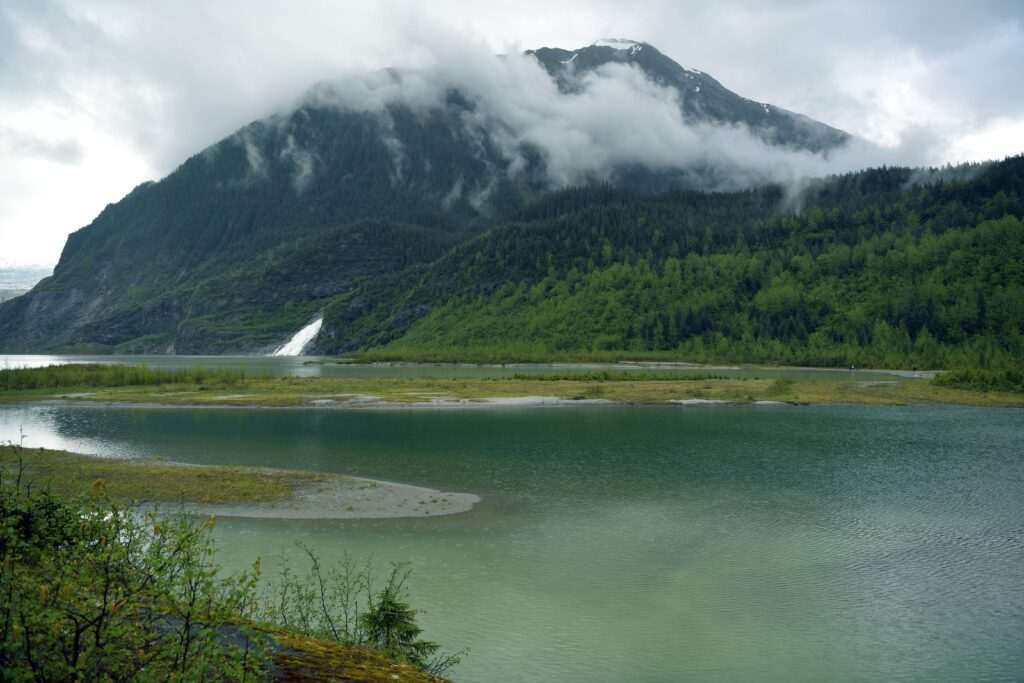
Homer sits at the end of a road. Kachemak Bay State Park sits across the water from Homer, and there is no road to it at all. That gap — roughly four miles of cold bay — is not a barrier. It is the point. On the far shore, accessible by water taxi in fifteen minutes, 400,000 acres of roadless Alaska wilderness begin: glaciers, fjords, old-growth Sitka spruce, brown bears, sea otters, and mountain goats on slopes that see more wildlife than hikers. For visitors who want true backcountry Alaska without a floatplane, Kachemak Bay State Park is the most accessible genuine wilderness area in the state.
Getting There: Water Taxi from Homer Spit
Several water taxi operators run scheduled and on-demand crossings from Homer Spit to various drop points in the park — Grewingk Glacier trailhead, Halibut Cove Lagoon, Saddle Trail beach, and others. The crossing takes fifteen to twenty minutes. Round-trip fares typically run $30–$50 per person; arrange your return pickup when you book. Book in advance for July and August, when fishing charters and park visitors both compete for boat capacity. Ask your Homer lodging for current operator recommendations, as businesses change seasonally.
The drive to Homer from Anchorage takes five hours via the Seward and Sterling highways. For visitors building a Kenai Peninsula loop, the Alaska SeaLife Center in Seward — two hours from Anchorage on the east side of the peninsula — provides context on the same marine ecosystem supporting Kachemak Bay’s sea otters and salmon.
Grewingk Glacier
Grewingk Glacier is the park’s signature destination — one of the few large valley glaciers in Alaska accessible to day hikers without technical equipment. The water taxi drops you at the beach near the trailhead; from there, the hike to the glacier face is approximately 3.5 miles one way, crossing glacial outwash flats and climbing gently through alder and Sitka spruce.
The glacier face rises above a milky blue-grey meltwater lake. The glacier calves regularly — stay back from the lake margin where falling ice creates wave action. The full round trip runs 7 miles with roughly 600 feet of elevation gain; most hikers finish in four to five hours and return to Homer well before dark on a summer day. This is the primary reason people cross the bay, and it earns the trip.
Halibut Cove Lagoon
Halibut Cove is a functioning arts community on the park boundary, accessible only by water. The lagoon is a tidal estuary with boardwalk trails along its channels; at low tide the mudflats attract shorebirds and the occasional brown bear. The Saltry restaurant sits on floating boardwalks above the lagoon and is the only restaurant in Kachemak Bay State Park — a seasonal operation serving locally-caught halibut and bay shrimp. Reservations are essential in summer. Several galleries are walkable from the dock.
The Saddle Trail
The Saddle Trail connects the Grewingk Glacier trailhead with the park’s central beach areas, running roughly 6 miles through old-growth forest and open meadow. It makes a natural full-day point-to-point route: take the morning water taxi to Grewingk, hike to the glacier and back, then walk the Saddle Trail to Halibut Cove for an afternoon pickup. Two water taxi legs, one long day, the full character of the park.
Wildlife
Brown and black bears are active throughout the park in summer — carry bear spray and make noise through dense vegetation. Mountain goats appear on the rocky slopes above Grewingk Glacier; bring binoculars. Sea otters are common in Kachemak Bay near kelp beds along the coastline. Bald eagles are a constant presence; tufted puffins nest on offshore rocks and can often be spotted from the water taxi crossing. The marine productivity of Kachemak Bay drives everything: this is one of the richest inlets in Alaska, and the wildlife reflects it.
Camping and Logistics
Kachemak Bay State Park has primitive backcountry campsites near Grewingk Glacier and around Halibut Cove Lagoon. There are no developed facilities — no running water, no ranger stations, outhouses only at a few established sites. Bring everything: water filter, food, bear canister (recommended for overnight stays), rain gear, and a full kit. Cell service is nonexistent once across the bay.
Most first-time visitors do the park as a day trip — a night in Homer, morning water taxi, day hike, evening return. That works well for Grewingk Glacier. For cultural context on the Alutiiq and Dena’ina traditions of Kachemak Bay, the Alaska Native Heritage Center in Anchorage is worth a visit before the trip. And the Alaska Wildlife Conservation Center at Seward Highway mile 48 is a natural stop on the drive south, with brown bears, caribou, and musk oxen in large open enclosures.
How do you get to Kachemak Bay State Park?
By water taxi from Homer Spit — several operators run scheduled and on-demand crossings to various park trailheads. The crossing takes 15–20 minutes. There are no roads into the park; floatplane charter is the only alternative. Book your water taxi in advance for July and August.
What is the best hike in Kachemak Bay State Park?
The Grewingk Glacier Trail is the most popular — roughly 7 miles round trip from the water taxi drop, with 600 feet of gain to the glacier face and its meltwater lake. The Saddle Trail is the best option for a full-day point-to-point route between Grewingk trailhead and Halibut Cove Lagoon.
When is the best time to visit Kachemak Bay State Park?
June through September is the primary season. July and August have the longest daylight and warmest temperatures, but also the most visitors and the tightest water taxi capacity. June and September offer smaller crowds and easier bookings. The Grewingk Glacier Trail is typically snowfree from late June through September.
Are there restaurants or facilities in Kachemak Bay State Park?
The only restaurant is The Saltry at Halibut Cove Lagoon — a seasonal seafood operation on floating boardwalks, reservation-required in summer. There are no other facilities in the park: no running water, no stores, no ranger stations. Bring everything you need for the day or overnight, including food, water filtration, and bear protection.

No comments yet.