
Hiking Chugach State Park 2026 — Best Trails Near Anchorage
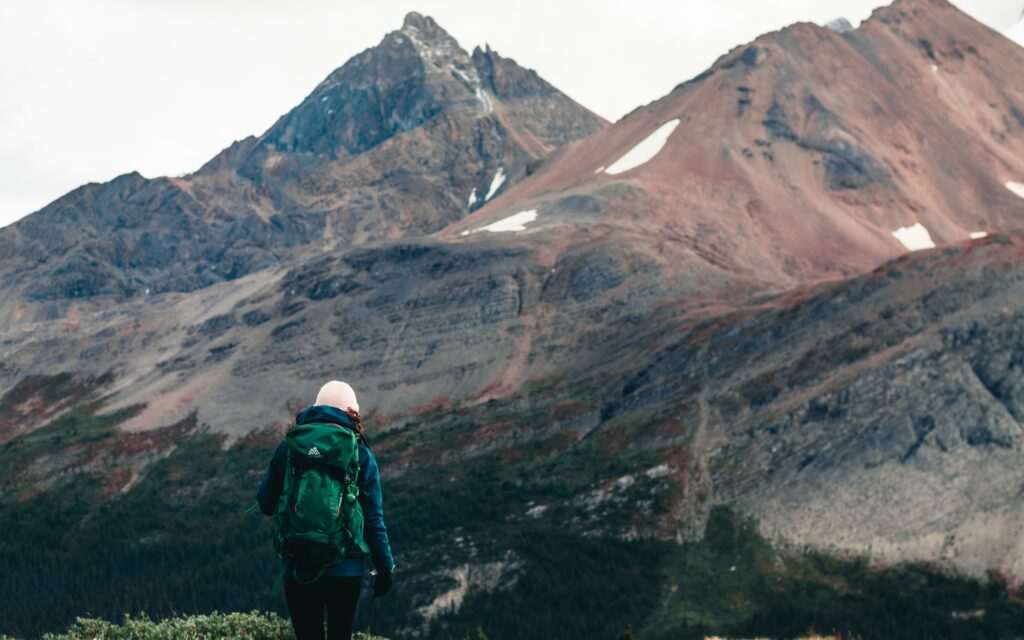
Anchorage is the only major American city where you can finish work, drive twenty minutes, and be on a wilderness trail in one of the largest state parks in the country. Chugach State Park covers nearly half a million acres of mountains, glaciers, tundra, and boreal forest on Anchorage’s eastern boundary — a wild backyard that most cities can’t come close to matching. The trailheads are accessible from most parts of Anchorage without a long drive, the range of difficulty is wide enough for beginners and experienced alpinists alike, and the views from the upper trails on a clear day — Cook Inlet, Denali, the Alaska Range — are genuinely hard to describe to someone who hasn’t stood up there. Here’s what to know before you go in 2026.
The Trailhead Hub: Glen Alps
Most Chugach hikes near Anchorage start from the Glen Alps Trailhead, located at the end of Hillside Drive on the south side of Anchorage. The parking area charges a day-use fee (currently $5 for Alaska residents, $10 for non-residents) and fills completely on summer weekends by mid-morning. Arrive before 8 AM if you’re planning a weekend hike — or use the overflow lot and walk in. The trailhead gives access to Flattop Mountain, the Powerline Trail, the Williwaw Lakes Trail, and several other routes. A second major access point is the Eagle River Nature Center, about 12 miles northeast of downtown Anchorage, which serves as the gateway to the Eagle River area trails.
Flattop Mountain — The Essential First Hike
The Flattop Mountain Trail is the most-climbed peak in Alaska. It’s 3.4 miles round-trip from the Glen Alps Trailhead with about 1,350 feet of elevation gain — a genuine summit experience in a manageable package. The trail starts on well-maintained gravel, transitions to exposed tundra, and finishes with a short scramble to the flat rocky top that gives the mountain its name. On a clear day the summit view covers Cook Inlet, Fire Island, Sleeping Lady (Mount Susitna) across the water, and — on the best days — Denali hovering above the Alaska Range more than 130 miles away. The hike takes most people 2.5 to 3.5 hours round-trip. It’s family-accessible for older kids but the upper section requires hands on rock; small children and dogs on leash work fine on the lower half. This is the right first hike for anyone visiting Anchorage.
Powerline Trail — Distance and Versatility
The Powerline Pass Trail runs 11 miles one-way from the Glen Alps Trailhead through Indian Valley to the South Fork Eagle River trailhead. You don’t need to go the full distance — the first 4 to 6 miles offer excellent scenery at moderate effort, with the Chugach peaks rising on both sides and the powerline corridor opening up broad views that contrast with the forested sections. The trail is multi-use (hikers, mountain bikers, and in winter, skiers and snowmachiners), well-marked, and relatively low on technical challenge for most of its length. It’s the best option if you want a longer outing without summit exposure, or if you want something the whole family can manage at their own pace.
Williwaw Lakes Trail — Alpine Lakes in a Day
The Williwaw Lakes Trail starts from the Glen Alps Trailhead and follows the Middle Fork of Campbell Creek east into a high alpine valley where a chain of lakes sits in a cirque below the surrounding peaks. At 13.2 miles round-trip with about 1,000 feet of gain, it’s a longer day than Flattop but not a brutal one — the elevation gain is gradual and the terrain is mostly open tundra after the initial forested section. The lakes are exceptional in late July and August when the wildflowers are out. Bring a filter or purification tablets; the streams are reliable water sources. This is the trail for people who want to get away from the Glen Alps crowds and spend a few hours in genuine backcountry without overnight gear.
Wolverine Peak — The Serious Ridge
The Wolverine Peak Trail is a step up in commitment from Flattop. At 11.4 miles round-trip with 3,800 feet of elevation gain, it’s a full-day effort that puts you on an exposed ridgeline with 360-degree views across the Chugach Range and the Anchorage Bowl. The route starts from the Prospect Heights Trailhead (separate from Glen Alps) and involves sustained steep climbing on the upper section. It’s not technical — no ropes required — but the exposure and length require solid fitness and appropriate footwear. Don’t start after noon in summer; the summit is above treeline and fully exposed to weather that can build quickly in the afternoon.
Rabbit Lake Trail — Backcountry Feel, Day-Hike Length
The Rabbit Lake Trail from the Upper Huffman Trailhead covers 8.2 miles round-trip to a remote-feeling alpine lake backed by the Suicide Peaks and the McHugh Creek drainage. It feels more remote than the other Chugach frontcountry hikes because the valley narrows and the terrain becomes more rugged as you approach the lake. The trailhead is less crowded than Glen Alps, the trail sees fewer people even on summer weekends, and the lake itself — cold, clear, surrounded by peaks — is a genuine reward. Allow 5 to 6 hours round-trip. This is the trail for people who want to feel like they’ve earned something and be alone while doing it.
Eagle River Nature Center — Family Trails in the Valley
The Eagle River Nature Center is a separate access point for Chugach State Park, located at the end of Eagle River Road about 12 miles from downtown. The center itself has natural history exhibits, ranger programs, and viewing decks over the Eagle River, but the real draw is the trail network behind it. The Albert Loop Trail is a 4.6-mile loop through boreal forest and river flats that’s excellent for families with young children — relatively flat, forested for shade, and with river views throughout. For a shorter option, the River Trail follows the Eagle River bank for 1.3 miles one-way and is accessible with a stroller. The Bear Paw and Dew Mound trails add more distance for those who want a longer day. Brown bears are frequently sighted in the Eagle River area; check with the Nature Center about recent activity before heading out.
Bear Safety in Chugach State Park
Chugach State Park has a high density of brown bears — particularly in the Eagle River valley and on trails near salmon streams. Bear encounters are common and the park’s guidelines are standard best practices: make noise on the trail, carry bear spray and know how to use it, don’t surprise bears, and give them wide space if you encounter one. Don’t bring food with strong smells and don’t leave packs unattended. The Glen Alps area above treeline has fewer encounters because there’s less food for bears at elevation, but the lower trails — especially near Eagle River — require real attention. The nature center posts bear activity reports; check them before hiking in that area.
Bear spray is effective and should be carried on any Chugach hike. Rent or buy it at REI Anchorage or other outdoor retailers before heading to the trailhead — it’s not available at the trailheads themselves.
What to Bring and When to Come
Layers are mandatory. Conditions in the Chugach change fast at elevation. A warm sunny morning at the Glen Alps parking lot can become wind and horizontal rain on the Flattop summit within an hour. Bring a waterproof shell, insulating mid-layer, hat, and gloves regardless of forecast — and bring more water than you think you’ll need.
Best season: June through September for most trails. The Powerline Trail and lower Chugach trails can be accessed year-round for snowshoeing and skiing in winter. Flattop is doable in winter but requires traction devices (microspikes or crampons) and winter clothing. Summer snow can persist on upper trails into June.
Trail conditions: The Alaska Trails website and Chugach State Park’s social media post current conditions. After a wet spring or heavy rain, the lower trail sections can be muddy. Bring waterproof boots or accept wet feet on early-season hikes.
Parking: Glen Alps fills fast on weekends from late June through August. Arrive early, use the overflow lot, or consider a weekday hike. Trailhead parking requires the day-use fee paid at the kiosk — cash and card both accepted.
How hard is the hike up Flattop Mountain in Anchorage?
Flattop is considered moderate. The trail is 3.4 miles round-trip with 1,350 feet of elevation gain. Most people in reasonable fitness complete it in 2.5 to 3.5 hours. The lower section is easy gravel trail; the upper section requires scrambling on rock with some exposure. It’s appropriate for older children and fit adults — not suitable for strollers or very young children on the upper portion.
Are there bears on Chugach State Park trails?
Yes — Chugach has a high density of brown bears, particularly in the Eagle River valley and on lower elevation trails near salmon streams. Carry bear spray on all hikes, make noise on the trail to avoid surprising bears, and check bear activity reports at the Eagle River Nature Center before hiking in that area. Encounters above treeline are less common but still possible.
What is the easiest hike in Chugach State Park for beginners?
The Albert Loop Trail at the Eagle River Nature Center is the most accessible option — a 4.6-mile forested loop with minimal elevation gain and river views throughout. The River Trail (1.3 miles one-way) is even shorter and flat enough for families with young children. Both are well-marked and offer genuine Chugach scenery without the difficulty of the summit trails.
Do I need a permit to hike in Chugach State Park?
No permit is required for day hiking in Chugach State Park. However, the Glen Alps Trailhead charges a day-use parking fee ($5 for Alaska residents, $10 for non-residents) payable at the kiosk. The Eagle River Nature Center has a separate entry fee for the center itself but trailhead access is generally free.
Chugach State Park is the strongest argument for Anchorage as a base for an Alaska outdoor trip — half a million acres of wilderness, accessible from a city with real hotels and restaurants, reachable in under an hour from anywhere in the metro area. Start with Flattop if it’s your first visit; come back for Williwaw Lakes and Rabbit Lake when you want to go deeper. The park rewards every level of effort.


No comments yet.