
Halibut Fishing Near Anchorage 2026: Charters & Tips
Pacific halibut are the largest flatfish in the ocean — and in Southcentral Alaska, they’re accessible to anyone willing to make the drive to Seward or Homer. A common halibut on a sport fishing charter runs 20–40 pounds, with the possibility of a “barn door” over 100 pounds, and the table quality of fresh-caught halibut is unmatched by anything you’ll find at a fish counter outside of Alaska. This guide covers the best options for halibut fishing accessible from Anchorage in 2026 — from full-day charter boats departing Seward harbor to the legendary fishing grounds of Kachemak Bay near Homer — with practical information on regulations, charter pricing, and how to get your catch home.
Seward: The Closest Halibut Charter Hub
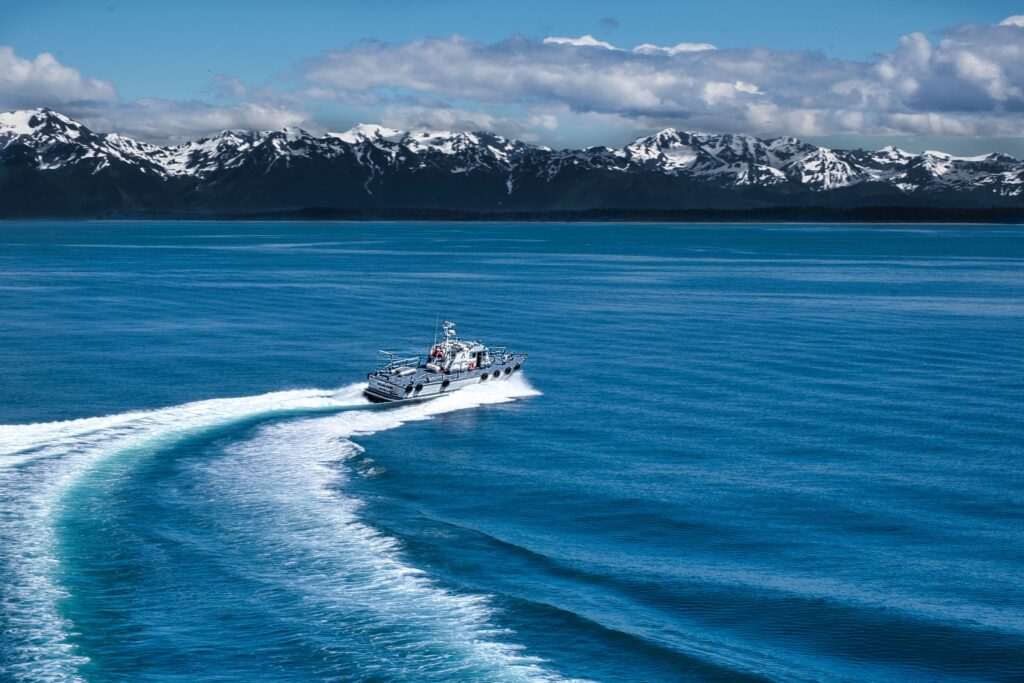
Seward sits at the head of Resurrection Bay, two and a half hours south of Anchorage on the Seward Highway, and serves as the most convenient base for Anchorage visitors who want a full-day sport fishing experience. Charter boats depart the Small Boat Harbor daily from May through September, targeting halibut on the bottom of Resurrection Bay and the outer coast of Kenai Fjords National Park.
Saltwater Excursions Alaska operates full-day charter trips out of Seward, running combination halibut and salmon trips that give anglers a legitimate shot at both species in a single day on the water. The typical structure: the morning hours targeting silver or king salmon near the surface, then transitioning to bottom fishing for halibut in 50–200 feet of water for the afternoon. A strong day produces limits of both fish — two halibut per person plus whatever salmon limits allow under current ADF&G regulations.
Fisherman’s Choice Charters is another established Seward operator with a range of vessel sizes suitable for private groups and shared charter trips. Shared charter bookings put you alongside other anglers and keep costs lower; private charters give you full control of the schedule and which grounds the captain targets. For serious anglers or groups with experienced fishermen, private charters are worth the premium — captains are more willing to push to deeper water or specific structure when the boat is booked exclusively.
Halibut in Resurrection Bay average 15–35 pounds for most sport fishing trips, with fish over 50 pounds appearing regularly and larger specimens always possible. The deepwater grounds outside the bay — accessed on calmer days when weather permits — hold larger fish but require longer travel time and more favorable sea conditions. Ask your charter operator when booking whether the trip will focus on nearshore (15–40 fathoms) or deepwater (50–100 fathoms) options.
Current halibut regulations: The sport fishing bag limit for Pacific halibut in Southcentral Alaska is two fish per day. Size and bag limits are set by the International Pacific Halibut Commission and can be adjusted mid-season through ADF&G emergency orders. Always confirm current regulations at adfg.alaska.gov before your trip — regulations as of your booking date may change before you fish.
Homer: The Halibut Fishing Capital of the World
If Seward is the convenient choice for Anchorage visitors, Homer — roughly five hours south on the Kenai Peninsula — is the destination for anglers who want the full experience. Homer has called itself the “Halibut Fishing Capital of the World” since the 1970s, and the fishing in Kachemak Bay and the outer Gulf of Alaska grounds substantiates the claim. The Spit at Homer hosts dozens of charter operators, sport fishing lodges, and processing facilities that exist entirely around the halibut fishery.
Full-day halibut charters out of Homer run similarly to Seward — departing at 6 or 7 AM, spending the day on the water, and returning to the dock in the afternoon with fish ready for processing. The difference is the grounds: the outer Gulf waters accessible from Homer hold consistently large fish, and experienced Homer captains work specific underwater structure — humps, ledges, and drop-offs — that concentrates halibut in predictable ways. It is not uncommon to see fish over 100 pounds on Homer charters, particularly in the outer Gulf during June and July when large female halibut move inshore to feed.
Multi-day fishing lodge packages in Homer are a genuine option for anglers planning a trip centered around halibut. Several lodges on the Spit and nearby Kachemak Bay offer packages that include guided fishing, accommodations, meals, and fish processing — all-inclusive for 3–5 days, with the primary target being halibut every day. These packages run $500–$1,000 per person per day depending on the lodge and season.
Cook Inlet Halibut
Cook Inlet, the body of water that passes along Anchorage’s western shore, holds halibut — but fishing it is a different proposition than Resurrection Bay or Kachemak Bay. The Inlet is subject to some of the most extreme tidal exchanges in North America, with currents that can exceed 9 knots during peak tidal flows and tidal ranges exceeding 30 feet in some locations. These conditions make Cook Inlet halibut fishing genuinely challenging and strongly recommended for guided trips only — anglers who venture out without local knowledge of the tidal windows and safe anchoring spots face real weather and current hazards.
For those who do fish Cook Inlet, the window for productive halibut bottom fishing is narrow — typically the hour or two around slack tide when currents moderate enough to fish effectively. Guides who specialize in the Inlet work these windows precisely. Contact Alaska Good Time Charters for current Cook Inlet halibut availability and to discuss whether conditions align with your timing.
Charter Pricing and Booking
Full-day halibut charters from Seward run $250–$400 per person for shared trips, depending on the operator, vessel, and target grounds. Private charter rates vary based on vessel size, but expect $1,500–$3,000 for a private full-day trip for up to 4–6 anglers. Half-day halibut trips are available but cover less water and spend fewer hours on productive bottom — full days are strongly recommended for first-time halibut anglers who want a meaningful experience.
Summer weekends in July and August are the busiest booking period. Popular Seward operators fill their prime dates 4–6 weeks in advance. If your trip is during peak season, book as early as possible. Mid-week trips are often available on shorter notice and the fishing is identical — halibut don’t distinguish between Monday and Saturday.
Getting Your Catch Home
The logistical triumph of a successful halibut trip is turning your catch into something you can actually eat back home. Most Seward and Homer charter operators include fish cleaning and bagging in the charter fee. From there, the options are:
Seward seafood processors can vacuum-pack, flash-freeze, and arrange shipping for your halibut and salmon — most operate dock-side or within a short walk of the Small Boat Harbor. Processing fees run roughly $0.75–$1.25 per pound of cleaned fish. Many processors offer same-day service for morning charter arrivals.
10th & M Seafoods in Anchorage is a reliable option for anglers staying in the city who want to have fish professionally processed and shipped — accepting fish brought in from sport fishing trips, custom cutting and vacuum-packing, and arranging overnight shipping to the lower 48. If you plan to drive back to Anchorage after your charter, having your fish processed and held in Seward is typically easier than transporting raw fish in a cooler for 2.5 hours.
Alaska Airlines and most major carriers accept vacuum-packed frozen fish as checked baggage with no special permit required. Check weight limits — a two-fish halibut limit can easily run 40–80 pounds of processed fish.
What to Bring and Seasickness Preparation
Halibut charters run regardless of surface conditions as long as it’s safe to operate — and Resurrection Bay and the outer Kenai coast can produce significant swells even on days when Anchorage looks calm. Plan for both possibilities:
Essentials: Rain gear (waterproof jacket and pants — not optional on Alaska charter boats), rubber-soled shoes or deck boots, warm mid-layer, sun protection for clear days, fishing license (available at charter offices, sporting goods stores, or online through ADF&G), and a camera with a waterproof housing or protective case.
Seasickness: Take preventative measures seriously. Scopolamine patches (prescription) applied the night before work for most people. Over-the-counter options (Dramamine, Bonine) are effective if taken 1–2 hours before departure. Eating a moderate breakfast before the trip — and avoiding heavy, greasy food — reduces susceptibility. Focusing on the horizon and staying on deck is more effective than sitting below when swells build.
Fishing etiquette: On shared charters, keep your lines untangled by paying attention to what other anglers are doing, tip your deckhand at the end of the trip (a standard $20–$50 per person reflects the work of baiting hooks, gaffing fish, and cleaning the catch), and follow the captain’s guidance on when to set and retrieve gear — working with the boat’s systems rather than against them makes the fishing more productive for everyone aboard.



No comments yet.