Anchorage Tattoo Studios 2026
Alaska produces a particular kind of tattoo client: someone who’s done something here that mattered enough to carry permanently. The landscape, the wildlife, the cultural traditions, the feats of outdoor endurance — summiting Flattop Mountain or catching a first king salmon on the Kenai — all of it shows up on Anchorage skin in ways that reflect genuine experience rather than souvenir impulse. The city’s tattoo studios serve both this local clientele and the growing number of visitors who’ve decided that Alaska was the place to get the tattoo they’ve been thinking about. This guide covers what makes Alaska-inspired tattooing distinctive, what the reputable Anchorage shops offer, how to plan a tattoo appointment as a visitor, and what cultural considerations matter when you’re considering native-art-inspired designs.
What Makes Alaska-Inspired Tattooing Different
The shorthand of “Alaska tattoos” covers a wide range. At one end: the tourist-tier bald eagle on a mountain silhouette that any flash sheet can produce. At the other end: work rooted in the real iconography of Alaska’s cultures and landscapes — gyrfalcon feather patterns from Inupiaq tradition, Tlingit formline art that requires a skilled artist fluent in the visual language, realistic portraits of coastal brown bears, aurora borealis in watercolor technique, or the topographic specificity of Denali’s north buttress.
The gap between these represents the difference between a tattoo artist who knows Alaska and one who’s executing a generic request. Anchorage has both — and knowing which you’re booking matters.
Alaska Design Themes That Work Well
- Wildlife: Brown bears, orca, humpback whales, bald eagles, moose, gyrfalcons, and puffins. Alaska’s fauna offers strong natural shapes that translate well to both black-and-grey realism and bold line work.
- Landscape: Mountain silhouettes, aurora borealis (especially in watercolor and neo-traditional styles), Denali, tidal bore imagery, ice fields, and boreal forest scenes.
- Native art styles: Alaska has multiple distinct Indigenous visual traditions — Tlingit, Haida, Athabascan, Inupiaq, Yupik, and others each have specific design vocabularies. These styles are culturally specific and meaningful; approach them as commissioned art from artists who know them, not as clip art.
- Personal Alaska imagery: Coordinates of a peak summited, trail maps, species of salmon caught, river systems — the hyperspecific personal Alaska experience translated into design.
Reputable Anchorage Tattoo Studios
Anchorage’s tattoo scene is concentrated in midtown and the downtown corridor, with a handful of established shops that have been building local reputations for years.
- Arctic Fox Tattoo: One of Anchorage’s longest-running shops, with a portfolio that spans traditional and neo-traditional American styles alongside Alaska wildlife work. Artists vary in specialization; review individual portfolios before booking.
- Illustrated Man: An Anchorage shop with multiple artists and a broad style range. Known for high-quality custom work and willingness to engage with Alaska-specific design requests.
- Northern Exposure Tattoo: A shop with artists specializing in fine-line and geometric work that suits some Alaska landscape interpretations well.
The Anchorage tattoo community is small enough that artist reputations circulate quickly. Instagram research matters — every serious tattoo artist maintains a portfolio there, and a few minutes comparing styles saves a conversation about whether an artist’s work is right for your vision.
Planning a Tattoo Appointment as a Visitor
Walk-in availability exists for flash pieces (pre-drawn designs) and small quick work. Custom pieces require a consultation and a booking deposit — typically 2–4 weeks out for established artists, longer for artists with heavy demand. If you’re planning a tattoo as part of an Alaska trip, book before you travel rather than hoping for walk-in availability at the specific shop or artist you want.
Healing considerations matter for travel. Fresh tattoos shouldn’t be submerged in salt water or soaked in a hot tub for at least 2–3 weeks and should be kept out of direct sun. If your Alaska itinerary includes kayaking, open-water swimming, or extended sun exposure immediately after the tattoo, adjust the timing or choose a placement that’ll stay covered.
Tipping is standard in the tattoo industry — 15–20% for work you’re happy with, on top of the hourly or piece rate. Shop prices in Anchorage run $150–$200/hour for established artists, higher for specialists with strong portfolios.
A Note on Native Art Designs
Tlingit, Haida, Yupik, and Inupiaq visual traditions represent living cultural systems created by communities that have maintained these art forms for generations, not historical artifacts available for general use. Tattooing in these styles as a non-Indigenous person without consultation with Indigenous artists or community members is widely considered appropriative and disrespectful.
The appropriate path if you want work in these traditions: commission a piece from an Indigenous Alaskan artist who works in their own cultural visual language. Several Alaska Native artists work in tattooing; reaching out directly for commission is the respectful approach. The Alaska Native Arts Foundation and Anchorage’s Alaska Native Heritage Center can point visitors toward Indigenous artists available for commission.
What to Expect on Appointment Day
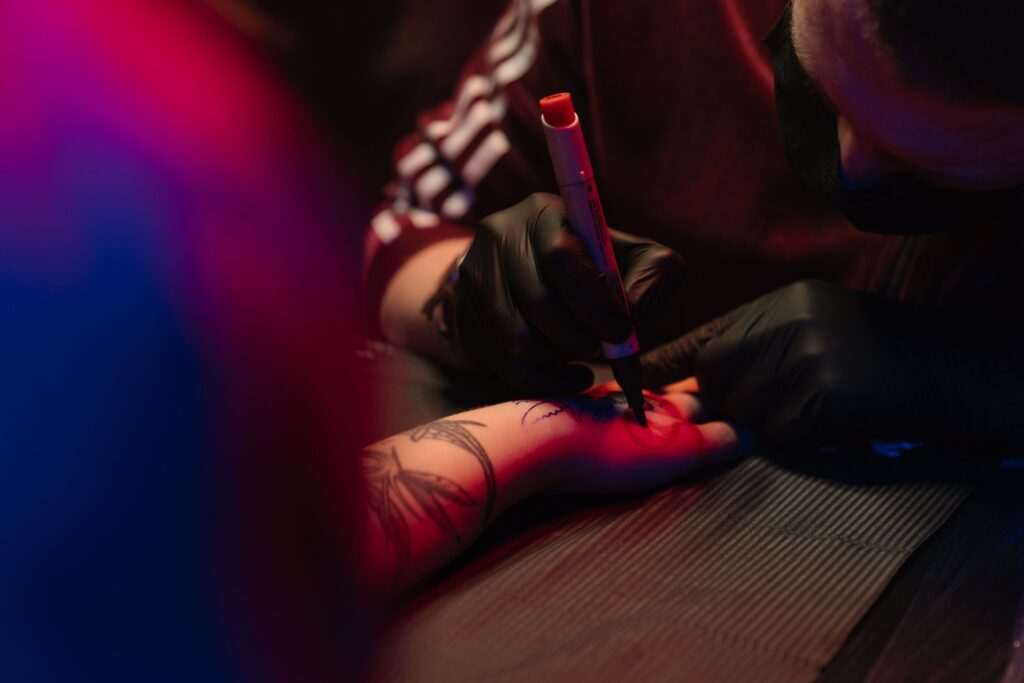
Arrive on time with clean skin and a meal in you — tattooing on an empty stomach raises the odds of light-headedness, especially for larger pieces or sensitive placements. Dress in clothes that allow access to the placement area without awkward repositioning. Bring a reference image or mood board for custom work; “I’ll know it when I see it” is a difficult briefing for an artist doing custom design. The artist will stencil the design on your skin before committing to ink — take this seriously, because adjusting stencil placement is easy; moving a healed tattoo isn’t.
Visitors to Anchorage can combine their appointment with other local highlights including the Anchorage Museum, the Anchorage Market & Festival, and the South Anchorage Farmers Market.
While in Anchorage, other stops worth considering include the Oscar Anderson House Museum and the Alaska Veterans Museum — both offer Alaska history and cultural context that informs much of the wildlife and Indigenous-inspired tattoo work you’ll find in local studios.
Photo by Kindel Media on Pexels.



No comments yet.