
Glacier Trekking & Ice Climbing Near Anchorage 2026 — Walk on Alaska Ice
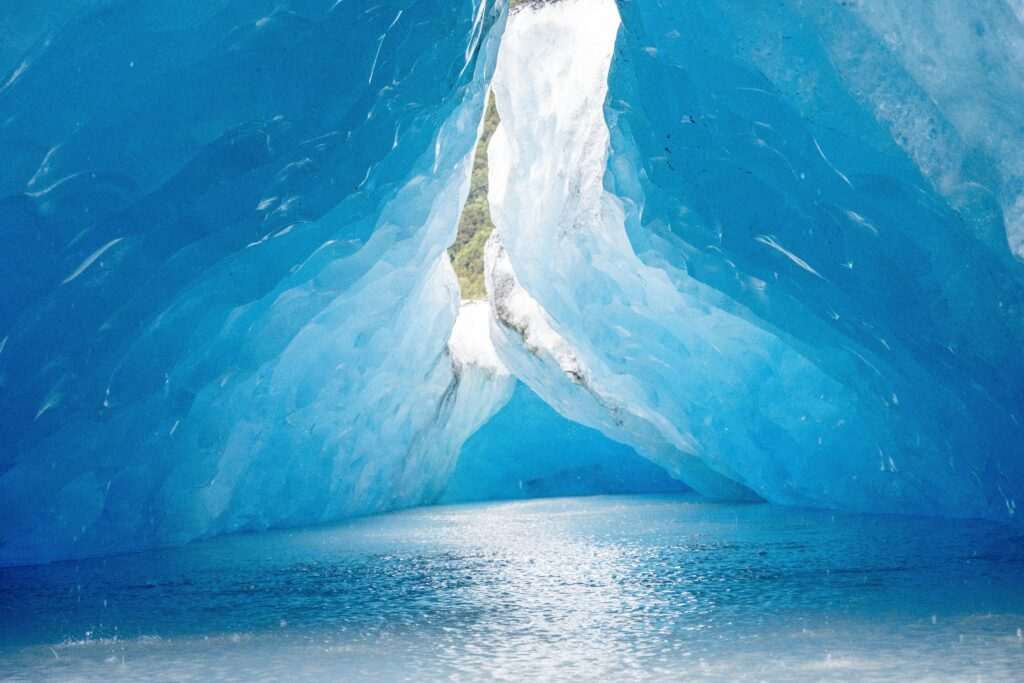
Two hours from downtown Anchorage, you can stand on a glacier. Not look at one from a boat or a viewpoint — stand on it, feel the blue ice underfoot, hear the meltwater running beneath you, and see crevasses opening in the surface twenty feet away. Alaska has more glaciers than the rest of the inhabited world combined, and several of the most accessible are within a half-day drive of Anchorage on good roads. Matanuska Glacier, Knik Glacier, and the Byron Glacier area near Portage each offer a different level of commitment and reward, from a quick family-friendly trail to the glacier toe all the way to guided ice climbing on vertical walls. This guide covers all three options, what each experience is actually like, what it costs, and how to plan a glacier day trip from Anchorage in 2026.
Matanuska Glacier: The Most Accessible Walk-On Glacier in Alaska
Matanuska Glacier, located approximately 100 miles northeast of Anchorage via the Glenn Highway, is the most accessible drive-to, walk-on glacier in Alaska — and one of the most accessible in North America. The glacier is roughly 27 miles long and 4 miles wide, making it large enough that visitors who venture onto the surface are genuinely inside a glacier rather than at its edge. The Glenn Highway approach is straightforward: a two-hour drive on a well-maintained highway through the Matanuska-Susitna Valley and the Chugach foothills, with the glacier coming into view before the turnoff.
Matanuska sits on private land. Two adjacent operations — Glacier Park and MICA Guides — control the main access points and charge a day-use fee of approximately $30 per person for unguided access, which allows visitors to walk on the glacier at their own pace with crampons (available to rent on site). Unguided access is beginner-friendly on the lower glacier near the terminus: the terrain is relatively flat, the crevasses near the entry area are small, and the blue ice that defines classic glacier aesthetics is immediately visible. Visitors should stay on marked routes; the deeper glacier has larger crevasses and unstable ice features that require guide escort.
Guided tours at Matanuska run from half-day introductory walks ($100–$150 per person) to full-day glacier hikes that push into the upper glacier, past larger seracs and deeper blue-ice formations ($200–$300 per person). Ice climbing tours — where participants learn to front-point up a vertical ice wall using ice axes and crampons — are available as add-ons to full glacier days or as standalone experiences, typically priced at $150–$300 per person for a guided half-day. No prior experience is required for beginner ice climbing; guides teach technique on-site, and the walls used for introductory lessons are moderate in angle.
The drive up the Glenn Highway is itself worthwhile. The highway passes through the upper Matanuska Valley with views of the Talkeetna Mountains to the north and the Chugach front to the south, and several roadside pullouts along the way deliver broad valley views before the glacier comes into sight. The Eagle River Nature Center, about 20 miles from Anchorage at the Eagle River interchange, makes a natural half-hour stop on the way — interpretive trails, wildlife viewing platforms above the glacially-fed Eagle River, and a staffed naturalist center that provides context for the Chugach terrain visitors will encounter at the glacier. Plan five to six hours for the full round trip from Anchorage with time on the glacier; a full guided day adds two to four hours.
Knik Glacier: A More Adventurous Option via Boat
Knik Glacier lies roughly 50 miles north of Anchorage in the Knik River valley east of Palmer — closer than Matanuska in straight-line distance, but requiring a boat shuttle to reach the active glacier face. The Knik River floods the approach road periodically, and the glacier’s terminus sits across braided glacial channels that prevent direct foot access. Tour operators based in Palmer run jet boat tours that cross the channels and land passengers at or near the glacier face, where guided walks on the ice begin.
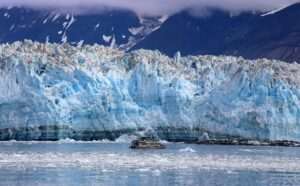
A typical Knik Glacier boat-and-trek tour runs four to six hours and costs $175–$250 per person. The boat crossing itself is a highlight — Knik’s ice-choked channels and the approach view of the glacier’s towering face from the water are among the more dramatic glacier approach experiences in Southcentral Alaska. The glacier is active and calving; large ice blocks break from the face on a regular basis, and guide positioning accounts for safe viewing distances. The walk-on portion of the glacier tour covers similar terrain to Matanuska’s guided experience — crampons required, guides lead, and the terrain is adjusted to the group’s fitness and experience level.
Knik Glacier is less visited than Matanuska simply because it requires more logistics. That reduced traffic means fewer people on the glacier surface, more of a wilderness feel, and guides who tend to range further from the terminus than Matanuska’s more structured tours. Visitors who have already done Matanuska and want a different experience — or who want the boat component specifically — find Knik the more memorable outing. The valley surrounding Knik Glacier, flanked by the peaks of the Chugach State Park backcountry, adds mountain context that Matanuska’s valley setting doesn’t fully replicate.
Byron Glacier: The Accessible Family Option Near Portage
Byron Glacier, tucked into a side valley off Portage Valley near the head of Turnagain Arm, offers the most accessible glacier encounter in the Anchorage region — no crampons, no boat, no fee, and a trail under a mile long from the parking area to the glacier’s toe. The Byron Glacier Trail is a flat, easy 0.8-mile path through spruce forest that opens onto the glacial moraine at the base of the glacier. The glacier hangs above, and seasonal snow bridges sometimes allow visitors to walk a short distance onto the ice itself in late summer. This is a viewing and approach experience rather than a walk-on glacier trek in the Matanuska sense — the terrain at Byron’s toe is loose moraine and fractured ice rather than a stable glacier surface — but the setting is dramatic and the access is unmatched.
Byron Glacier is located off the Portage Valley Road at the end of the Portage Valley, approximately one hour from Anchorage via the Seward Highway. The Alaska Wildlife Conservation Center, located at Mile 79 of the Seward Highway near the Portage Valley junction, makes an easy companion stop — the wildlife park’s drive-through loop can precede the Byron Glacier trail for a half-day that combines large-mammal wildlife viewing with a glacier approach. The Byron Glacier trailhead parking area is managed by the US Forest Service with no fee at the trailhead itself.
For families or visitors who want to experience glacial terrain without committing to a full glacier trek, Byron Glacier delivers more than its short approach suggests. The scale of the glacier face above, the cold outflow of glacial meltwater across the moraine, and the blue-white ice visible in the hanging glacier above provide genuine glacier atmosphere — the full walk-on experience on a flat stable surface simply isn’t part of Byron’s offering. Visitors who want that should continue up the Seward Highway to Portage Lake, where the Portage Glacier Day Cruise boat brings passengers to the calving face by water.
Ice Climbing: Getting Vertical
Matanuska Glacier is the primary venue for guided beginner ice climbing near Anchorage. MICA Guides and other operators have permanent or seasonal ice climbing areas set up on the glacier’s steeper ice formations, where participants learn to swing ice axes, front-point up vertical and near-vertical ice walls, and manage crampon technique on a gradient. A typical beginner ice climbing session runs three to four hours and covers basic tool technique, footwork, and two to three climbs of increasing difficulty. Prices typically run $200–$300 per person for guided instruction with equipment provided.
Ice climbing on a glacier is meaningfully different from rock climbing. The tools are heavier, the surface changes with temperature and moisture, and the climbing style — swinging into ice rather than pulling on positive holds — requires building new motor patterns. Most participants with no prior climbing background complete their first vertical ice climb within an hour of instruction. The experience of hanging on a vertical wall of blue glacier ice, with crampons front-pointed into the surface and axes overhead, is visually and physically unlike anything replicable at lower altitudes.
Winter ice climbing — on frozen waterfalls rather than glaciers — is also accessible from Anchorage. The Matanuska Valley has established ice climbing areas that form during winter cold snaps, and Hatcher Pass develops ice routes that attract technical climbers from across Alaska. Winter ice climbing is a step up in difficulty and exposure from guided glacier introductions, and is best attempted after at least one glacier introduction.
What to Wear and What to Know
Glacier surfaces are cold, wet, and windy regardless of air temperature at the trailhead. Dress in layers: a moisture-wicking base layer, a midweight fleece or insulated mid-layer, and a waterproof shell jacket and pants. Waterproof boots are essential — trail runners will be soaked within minutes on a glacier surface. Most guided operators provide crampons; if doing independent access at Matanuska, rent crampons at the gate rather than attempting the glacier in regular hiking boots. Gloves and a warm hat belong in the pack even on warm August days.
Guided glacier experiences are appropriate for most fitness levels — the introductory walks at Matanuska cover flat to moderate terrain and are paced for groups. Children as young as six or seven participate in introductory walks at most operators, though age minimums vary; confirm with the specific guide service when booking. Independent unguided access at Matanuska is limited to the lower, marked glacier surface — never venture onto a glacier without a guide beyond the designated areas, regardless of experience. Glaciers have concealed crevasses, unstable ice bridges, and meltwater channels that are not visible until you are directly above them.
The best season for glacier trekking from Anchorage runs May through September. June through August offers the most stable glacier surface and the most daylight for full-day tours. Spring (May) still has heavy snowpack covering some glacier terrain and can reduce visibility of the blue ice that makes summer trekking visually distinctive. September is excellent and often less crowded than peak summer weeks.
Planning Your Glacier Day Trip
For a single glacier day trip from Anchorage, Matanuska is the clearest choice: the longest approach (two hours), the most developed infrastructure, and the greatest flexibility between independent and guided access. Book guided tours at least a week in advance for July and August departures; popular full-day slots fill quickly. If the goal is an ice climbing add-on, book that specifically and confirm the guide service includes vertical ice climbing rather than just a glacier walk.
Knik Glacier makes the most sense as a second glacier experience after Matanuska, or for visitors who specifically want the boat-and-glacier combination. Palmer, the staging point for most Knik tours, is 45 miles north of Anchorage via the Glenn Highway — an easy morning drive. The Alaska Railroad’s Coastal Classic to Seward passes through the upper Turnagain Arm rather than the Glenn Highway corridor, so rail access to Matanuska or Knik is not a viable option; those two glaciers are road trips.
Byron Glacier requires no advance planning — the Forest Service trail is open dawn to dusk in summer. Combine it with the Portage Valley and an afternoon at the Alaska Wildlife Conservation Center for a full day that doesn’t require booking anything in advance.
Featured photo by Rino Adamo on Pexels.
No comments yet.