
Early Summer Wildlife Viewing in Anchorage: Your Complete 2026 Guide
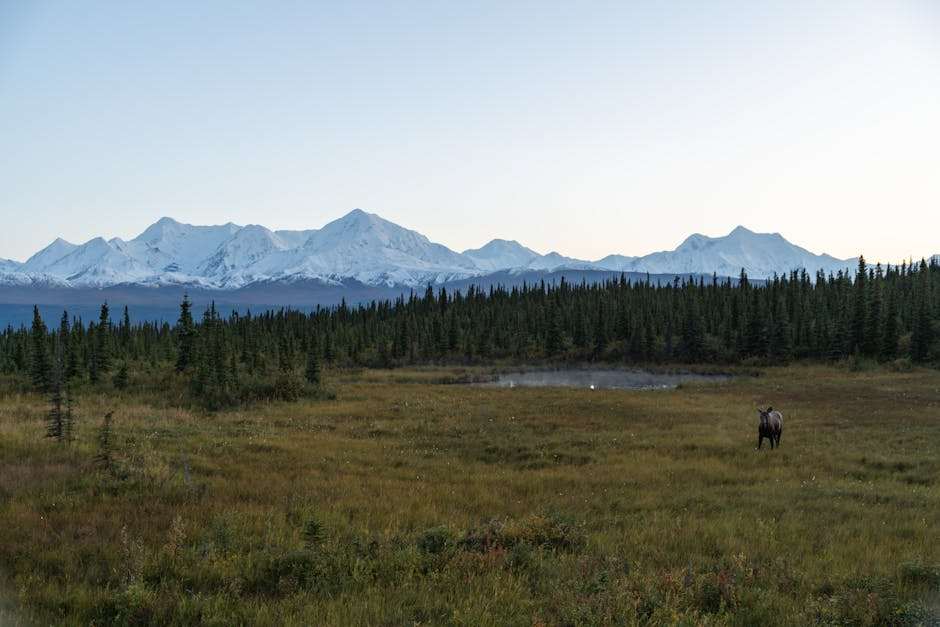
Few cities in North America can match Anchorage for raw wildlife access. Moose browse front yards, bald eagles circle downtown, and black bears amble across greenbelts — all within minutes of the airport. From late May through July, the window is at its widest: snow retreats, rivers swell with snowmelt, birds arrive by the millions along the Pacific Flyway, and every corner of the Chugach Mountains comes alive. Whether you are a first-time visitor or a longtime resident ready to see Anchorage with fresh eyes, this guide covers the best spots, the wildlife you will encounter, bird migration timing, bear safety, and photography tips for an unforgettable season of Anchorage wildlife viewing.
What Wildlife to Expect May Through July
Early summer in Anchorage is a wildlife season with distinct pulses. Here is what each month brings:
- May: Shorebirds and songbirds flood Potter Marsh and Westchester Lagoon on their northward migration. Moose cows begin calving in spruce thickets and greenbelts — give them wide berth. Brown and black bears emerge from dens and move through lower foothills and trail corridors in search of early sedges and carrion.
- June: Salmon begin returning to Ship Creek (king salmon) right in downtown Anchorage. Bald eagle activity peaks along Turnagain Arm. Beluga whales follow salmon into Cook Inlet, visible from the Tony Knowles Coastal Trail. Moose calves are visible alongside their mothers throughout the Hillside.
- July: Sockeye and pink salmon push into local streams, drawing bears, eagles, and mergansers. Wildflowers blanket Flattop and Rendezvous Ridge. Puffins, murres, and kittiwakes are accessible on day trips south toward Kenai Fjords. Juvenile eagles, moose, and foxes make this the best month for photographers.
Top Wildlife Viewing Spots Accessible from Anchorage
Potter Marsh Bird Sanctuary
Potter Marsh is the anchor of any serious Anchorage wildlife viewing itinerary. Located at mile 117 of the Seward Highway, roughly 11 miles south of downtown, this 565-acre wetland complex sits where freshwater drainage meets the head of Turnagain Arm — creating a nutrient-rich habitat that hosts over 130 documented bird species. A fully accessible 1,500-foot boardwalk puts you eye-level with nesting trumpeter swans, Canada geese, arctic terns, and surf scoters without disturbing them. Arrive between 7 and 9 a.m. for the calmest light and peak bird activity.
The sanctuary is also a reliable moose corridor in May and June, and red foxes hunt the marsh edges throughout summer. Visit the Potter Marsh Bird Sanctuary listing for current conditions, parking details, and nearby access points. For deeper coverage of spring migration timing, check the companion Spring Bird Migration at Potter Marsh listing.
Chugach State Park — Hillside and Turnagain Arm
The Chugach Mountains rise directly behind Anchorage and harbor one of the densest black bear populations in southcentral Alaska. The Hillside trail network — Glen Alps, Flattop, and the Near Point ridge — is where most bear sightings occur in early summer as animals forage for emerging vegetation. Dall sheep are visible on rocky outcrops above 3,000 feet from late May onward, and moose frequent the willow thickets below.
Along Turnagain Arm, the pull-outs between Potter and Girdwood offer reliable beluga whale sightings on an incoming tide between late May and mid-July. Bore tides at Beluga Point (mile 110 Seward Highway) combine both spectacles — belugas surfing the tidal bore — on the right day. The Chugach Mountains Wildlife Viewing listing has current trail conditions, recommended pullout locations, and seasonal access notes.
Alaska Wildlife Conservation Center
Fifty miles south of Anchorage on the Seward Highway, the Alaska Wildlife Conservation Center offers a controlled setting to see species that can be difficult to encounter safely in the wild: wood bison, musk ox, wolverine, lynx, brown bears, and black bears all live in large natural enclosures. AWCC is particularly useful for families with young children and for photographers who want extended time with animals at predictable distances. It is also a meaningful stop — the center rehabilitates injured and orphaned wildlife. See the Alaska Wildlife Conservation Center listing for hours and current programming during the summer season.
Tony Knowles Coastal Trail and Westchester Lagoon
This 11-mile trail runs from downtown to Kincaid Park along Cook Inlet and is one of the few urban trails anywhere where moose, beluga whales, and shorebirds can all appear on the same morning walk. Westchester Lagoon, accessed near the midpoint, hosts nesting Canada geese, arctic terns, and lesser scaup. The trailhead at Elderberry Park (downtown) is walkable from most hotels and requires no car.
Bird Migration Timing and Key Species
Anchorage sits on the Pacific Flyway, one of North America’s four major migratory routes, which makes early summer a spectacle for birdwatchers. The key arrival windows:
- Early to mid-May: Shorebird peak at Potter Marsh — dunlin, dowitchers, yellowlegs, and sandpipers by the thousands on their way to arctic nesting grounds. Trumpeter swans and Canada geese claim nesting territories on the marsh. Tree swallows and violet-green swallows return to nest boxes throughout the city.
- Late May to early June: Arctic terns arrive from the Antarctic — the longest migration of any animal on Earth. Yellow warblers, orange-crowned warblers, and Wilson’s warblers fill riparian thickets. Varied thrushes and hermit thrushes sing from spruce understory throughout the Hillside.
- June through July: Black-billed magpies and ravens are year-round residents and highly active during nesting. Belted kingfishers work Ship Creek and Campbell Creek throughout summer. Bald eagles congregate around salmon streams by early July, often 10 to 20 birds visible from a single pull-out along Bird Creek.
Bear Safety and Wildlife Viewing Etiquette
Anchorage is genuine bear country — approximately 60 to 70 black bears and a small number of brown bears use the city’s greenbelts and adjacent Chugach State Park. Following bear safety practices is not optional; it is expected of anyone on the trails.
- Carry bear spray and know how to use it. Keep it holstered on your hip, not buried in your pack. Practice drawing it before you need it.
- Make noise on the trail. Call out on blind corners and in dense brush. Most bear encounters are surprise encounters at close range — noise prevents them.
- Never approach wildlife for a photograph. The recommended minimum distance for bears is 300 feet — roughly two bus lengths. Moose with calves and bears near food sources are unpredictable and can be aggressive.
- Do not feed any wildlife. A fed bear is a dead bear. Animals conditioned to human food must eventually be euthanized. This applies equally to moose, foxes, and birds.
- Hike in groups when possible. Groups of four or more are statistically much less likely to have a negative bear encounter than solo hikers.
- Report aggressive bear behavior to Alaska Department of Fish and Game at (907) 267-2257 immediately.
Photography Tips for Early Summer Wildlife
Early summer light in Anchorage is extraordinary — civil twilight extends past 11 p.m. in June, giving photographers a long golden-hour window in both morning and evening. A few tips specific to this environment:
- Shoot during the shoulder light. The 6 to 9 a.m. and 8 to 10 p.m. windows in May and June deliver warm, low-angle light that flatters wildlife against the Chugach backdrop. Midday light is flat and contrasty.
- Use a 400mm equivalent or longer. The 300-foot safe distance for bears means you need reach. A 100 to 400mm zoom or a 500mm prime is the workhorse lens for Alaska wildlife photography.
- Prioritize shutter speed for birds in flight. Arctic terns, eagles, and shorebirds demand at least 1/2000 second. Set a minimum shutter speed in Auto ISO mode and let the camera handle exposure.
- Learn to read animal behavior before pressing the shutter. Ears back and head low on a bear indicate stress. An alert posture with head up and ears forward usually means curiosity — a safer moment to frame the shot. Never linger once an animal shows stress signals.
- Consider a guided photography workshop. The Alaska Wildflower and Nature Photography Workshop Series runs through the summer and covers both technique and safe wildlife approach protocols specific to the Anchorage region.
Gear and Preparation
Alaska weather in early summer is variable — a morning that starts at 65°F and sunny can shift to 45°F and rain by noon. Layering is essential. Waterproof footwear matters on any trail above 1,500 feet. For rentals and last-minute kit, REI Co-op Anchorage stocks binoculars, bear spray, rain gear, and field guides and is conveniently located on the way to most trailheads from downtown.
Plan Your Wildlife Viewing Season
The May through July window is the most accessible and wildlife-dense season in the Anchorage calendar. Potter Marsh is the must-do anchor for birders; the Seward Highway corridor south through the Chugach adds bear, eagle, and marine mammal sightings without leaving paved roads; and the urban trail system means that even visitors with limited mobility or time can have genuine wildlife encounters. Come prepared, move quietly, keep your distance, and you will leave with memories — and photographs — that last a lifetime.
No comments yet.