
Horseback Riding Near Anchorage 2026: Trails & Outfitters
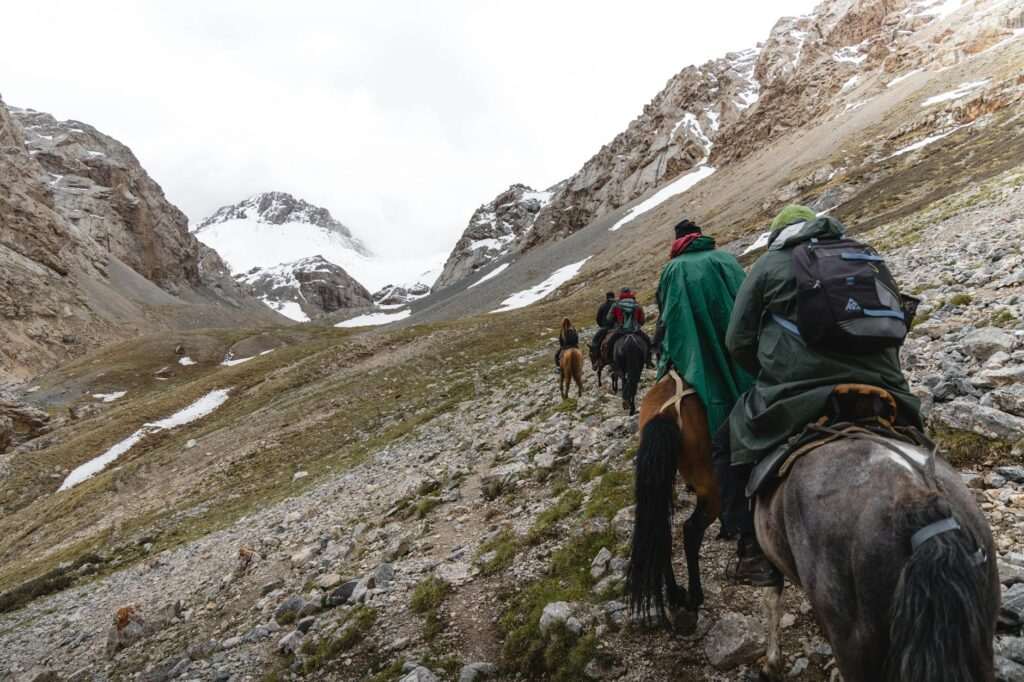
Explore Alaska on Horseback
Few experiences match a horseback ride through the Chugach foothills or along a glacier-fed river valley with Alaska’s peaks stretching to the horizon. The Anchorage region — particularly the Matanuska-Susitna Valley (Mat-Su Valley) about 45 minutes north of the city — is home to a handful of outfitters that run guided trail rides suited to complete beginners through seasoned riders. Whether you want a one-hour introduction trot or a half-day wilderness trek, here’s what to know before you book.
Where to Find Horseback Riding Near Anchorage
Mat-Su Valley (Palmer & Wasilla Area)
The broad, flat farmland and wooded trails of the Mat-Su Valley are the center of Alaska’s horse culture. Several family-run stables near Palmer and Wasilla offer guided rides through birch and spruce forest with views of the Talkeetna Mountains and, on clear days, Denali. Routes typically follow established forest trails and river corridors at a walking or easy trotting pace — ideal for riders of all abilities. Most operations run from mid-May through September, with some extending into early October for fall foliage rides.
Chugach Foothills (South of Anchorage)
A smaller number of outfitters operate in the rolling foothills east and south of Anchorage, offering rides with sweeping views of Turnagain Arm and the Alaska Range. These rides tend to be more scenic and slightly more challenging in terrain, making them a better fit for riders with some prior experience. Several operators in this area also offer sunset rides timed to Anchorage’s long summer evenings — a genuinely spectacular option from late June through July when the sun doesn’t set until after midnight.
Types of Rides Available
- Beginner trail rides (1–2 hours): Walk-only guided trips on gentle, well-marked trails. Horses are selected for calm temperament. No experience necessary; most stables take riders as young as 7–8.
- Half-day treks (3–4 hours): Covers more ground and typically includes trotting sections. A good choice for riders who’ve had some prior saddle time and want to see more of the landscape.
- Wilderness and backcountry rides: Multi-hour trips into remote terrain, occasionally including river crossings. Requires prior riding experience; not recommended for first-timers.
- Sunset and evening rides: Available June–July, usually 1.5–2 hours. The golden light at 9–10 p.m. makes for unforgettable photos. Book early — these fill fast in peak season.
- Private rides and family packages: Most stables offer private group bookings for families or small parties. A good choice if you’re traveling with younger children or want a more personalized pace.
Pricing
Expect to pay roughly $85–$130 per person for a standard one-hour guided trail ride. Half-day treks typically run $180–$250 per person, while sunset and specialty rides fall in the $100–$150 range. Private bookings add a flat fee (usually $50–$100) over the per-person rate. Prices have increased modestly from 2024 to 2026, so confirm current rates directly with the outfitter when you book — most have live pricing on their websites or will respond quickly to email inquiries.
Best Season to Go
The riding season runs from roughly mid-May through late September. Peak conditions are June and July: trails are dry, wildflowers are in bloom, and the long daylight gives you scheduling flexibility. August remains excellent for rides, with the added bonus of blueberries along many trails and the first hints of fall color by month’s end. September rides come with golden foliage and smaller crowds, though some outfitters begin scaling back operations after Labor Day. Avoid April and early May — spring breakup leaves trails muddy and some routes seasonally closed.
What to Wear
- Long pants: Essential. Jeans work fine; riding tights are better for longer trips.
- Closed-toe shoes with a low heel: Sneakers are acceptable for short rides; boots with a slight heel are preferable for half-day treks.
- Layers: Even a warm summer day can cool quickly once you’re moving through shaded forest. Bring a light waterproof jacket.
- Gloves: Optional but appreciated on cool mornings.
- Helmets: Reputable stables provide them; wear one regardless of your experience level.
Booking Tips & What to Expect
Reservations are strongly recommended for all summer rides and are essentially mandatory for peak July weekends. Most stables book out 1–2 weeks in advance for weekend slots by mid-June. Weekday availability is generally better. When booking, stables will ask for your approximate weight (to match you with an appropriate horse) and riding experience level — answer honestly, as this affects which horse and which route you’re assigned.
Plan to arrive 15–20 minutes before your ride time for a brief safety orientation and to get fitted to your horse. Most guided rides are conducted at a walk for the majority of the time, with short trotting sections at the guide’s discretion. Tips for your guide (10–15%) are customary and appreciated.
Traveling with kids? Most stables welcome riders aged 7 and up for beginner trail rides. Call ahead to confirm minimum age and weight requirements. Children under the minimum age can often accompany the group in a pony-lead arrangement — ask when you book. Round out the day with a guided fishing excursion through Alaska Fishing Adventures, another family-friendly activity that’s easy to pair with a morning in the saddle.
Plan Your Visit
Horseback riding fits naturally into a broader Anchorage itinerary. Combine a morning trail ride in the Mat-Su Valley with an afternoon through Chugach Adventures for rafting, hiking, or other guided outdoor excursions closer to the city. Most stables are within a 45–60 minute drive of downtown Anchorage, making them easy to slot into a multi-day visit without eating up an entire day.
If you’re building a fuller Alaska itinerary, consider adding a Cook Inlet beluga whale viewing session to your schedule. The wide tidal flats off Anchorage’s western coast bring beluga pods close to shore during summer months — a uniquely Alaskan experience that pairs naturally with a morning in the saddle. Both activities share the same appeal: you’re outside, you’re in real Alaska, and you’re not in the parking lot of a cruise ship.
Featured photo by Tomáš Malík on Pexels.

No comments yet.