
Eagle River Recreation Guide: Best Hiking Trails & Family Adventures Near Anchorage 2026
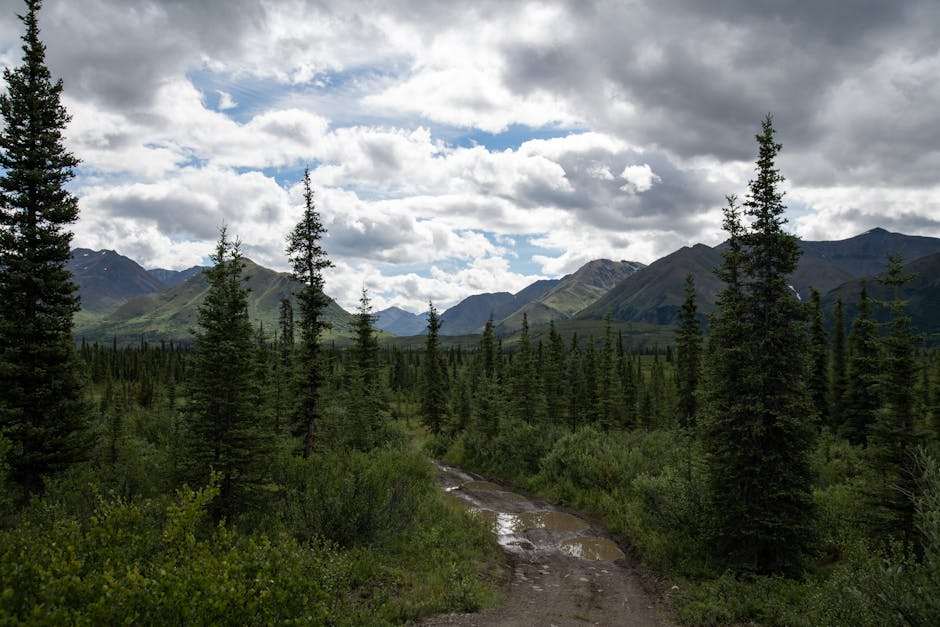
Just 10 miles northeast of Anchorage along the Glenn Highway, Eagle River is one of Southcentral Alaska’s most rewarding outdoor destinations. Backed by the vast wilderness of Chugach State Park — one of the largest state parks in the United States at nearly 500,000 acres — this tight-knit community offers everything from gentle riverside walks to challenging alpine ascents. Whether you’re planning a family day trip or a multi-day backcountry adventure, Eagle River delivers rugged Alaskan scenery without the long drive.
Getting to Eagle River
Eagle River is easily reached by taking the Eagle River exit off the Glenn Highway (Mile 13). From downtown Anchorage, the drive takes roughly 20 minutes. The Eagle River Nature Center, the primary trailhead hub, is located at the end of Eagle River Road — about 12 miles from the highway exit. There is a $5 day-use parking fee at the Nature Center; no Alaska State Parks pass is required for most trailheads, though some overnight facilities require reservations. Parking fills quickly on summer weekends, so aim to arrive before 9 a.m. during June, July, and August.
If you prefer to leave the car behind, the People Mover Bus Route 102 connects Anchorage to the Eagle River Transit Center, where you can connect via taxi or rideshare to the Nature Center. Cell service is limited beyond the Nature Center, so download offline maps before heading out.
Best Hiking Trails in Eagle River
The Eagle River corridor packs an impressive variety of trails into a relatively compact area, ranging from flat valley walks to demanding ridgeline scrambles.
South Fork Eagle River Trail
The South Fork Eagle River Trail is the crown jewel of the area for experienced hikers. This out-and-back route follows the South Fork of the Eagle River deep into the Chugach Mountains, gaining significant elevation as it winds through old-growth spruce forest and opens onto sweeping glacier-carved valleys. The trail stretches roughly 9 miles one way to the upper basin, though most day hikers turn around at the 4–6 mile mark where the views are already spectacular. Expect some river crossings in late spring when snowmelt is running high. This trail is rated moderate to strenuous and is best attempted from late June through September. Sturdy waterproof boots, trekking poles, and bear spray are strongly recommended.
Eagle River Bear Viewing Trail
For a shorter but unforgettable experience, the Eagle River Bear Viewing Trail offers one of the most reliable opportunities in Southcentral Alaska to observe black bears and brown bears in their natural habitat, particularly during the late summer salmon run. The trail is relatively flat and well-maintained, making it accessible for older kids and less experienced hikers. The viewing platforms along the river give you a safe vantage point while keeping an appropriate distance from the wildlife. Plan your visit for late July through September for the best bear activity. Even outside peak salmon season, the riparian corridor is rich with birdlife and moose sightings.
Eagle River Bowl
For hikers looking to gain serious elevation and earn panoramic views of the surrounding peaks and inlet, Eagle River Bowl is a challenging but deeply rewarding destination. The route climbs steeply from the valley floor into a classic glacial cirque, with dramatic rock walls rising on three sides. Snow lingers in the bowl well into June and sometimes July, so check current conditions before heading out in early summer. This hike is best suited for fit adults and older teens comfortable with uneven, rocky terrain. The views from the upper bowl on a clear day — stretching across the Chugach range toward Knik Arm — are genuinely breathtaking.
Lake Eklutna Trail
A short drive from Eagle River brings you to one of the most scenic lake hikes in the entire region. The Lake Eklutna Trail runs along the shore of the stunning turquoise glacially-fed Eklutna Lake — the longest lake in Chugach State Park at 7 miles. The flat, wide trail is ideal for families with young children and is also popular with cyclists. You can hike as little or as much as you like; the full out-and-back to the far end of the lake and back is about 14 miles, but even 2–3 miles yields gorgeous mountain and lake views. The Eklutna Lakeside Campground at the trailhead is a popular base for overnight visitors.
Family Adventures Near Eagle River
Eagle River is exceptionally family-friendly, with activities scaled for all ages.
The Eagle River Nature Center is a must-stop for families. This nonprofit facility offers interpretive exhibits about Chugach State Park ecosystems, junior ranger programs, guided nature walks in summer, and a gift shop stocked with field guides. The paved paths immediately around the Nature Center are stroller-accessible and offer views of the river and surrounding peaks.
Families with kids aged 6 and up will enjoy the gentle riverside sections of the main Eagle River trail system, where you can spot spawning salmon in late summer, pick wild blueberries in August, and watch for bald eagles soaring overhead. The viewing benches and interpretive signs along these easier sections make learning about the ecosystem engaging for younger visitors.
For an overnight adventure, Eagle River Wilderness Cabins offer a spectacular way to extend your trip. These remote public-use cabins sit deep in the backcountry and can be reserved through the Alaska State Parks system. Staying overnight allows you to explore the quieter reaches of the trail network after day visitors have gone, and the night skies — away from Anchorage light pollution — are stunning even in summer when twilight lingers past midnight.
Wildlife Tips: Bears, Moose, and Eagles
Eagle River sits in prime Alaska wildlife habitat, and encounters with large animals are part of the experience — but they require respect and preparation.
- Bear spray is non-negotiable. Carry it accessible on your hip, not buried in your pack. Both black bears and brown (grizzly) bears are present in the area. Make noise on the trail, especially in dense vegetation or near running water where animals may not hear you approaching.
- Moose are common along the valley floor and near willows and wetlands. They are large, unpredictable animals — give them at least 50 feet of space, and never approach a cow with a calf. If a moose charges, retreat behind a solid object like a large tree.
- Bald eagles are frequently spotted soaring above the river corridor, particularly during salmon runs. Binoculars will enhance the experience significantly.
- Store all food in bear-resistant containers or hang it properly at camp. Leave no food scraps, wrappers, or scented items in your vehicle — bear break-ins are not uncommon at busy trailheads.
- In early summer (May–June), be alert for defensive bears with cubs emerging from dens. Trail conditions can also be muddy and stream crossings may be high and cold during snowmelt.
Seasonal Conditions and Best Times to Visit
The prime hiking window in Eagle River runs from late June through mid-September. By late June, most valley trails are snow-free and wildflowers are at their peak — fireweed, lupine, and wild geraniums paint the hillsides in vivid purples and pinks. July and August offer the longest days (the sun barely sets), warm temperatures in the 60s°F, and the best chances of clear mountain views.
May is a shoulder season worth considering for solitude: trailheads are quiet, snow still caps the peaks, and the light is exceptional. However, expect muddy trails, high water crossings, and residual snow above 2,000 feet. September brings fall colors — the cottonwoods and alders turn gold and orange — along with cooler temperatures and the end of the mosquito season. Weather can change rapidly at any time of year; always pack a rain layer.
Where to Stay Near Eagle River
Eagle River has a full complement of lodging options beyond the backcountry cabins. The community itself has several hotels and vacation rentals along the Old Glenn Highway corridor, and Anchorage is only 20 minutes away for a wider range of accommodations. For the full wilderness immersion, the Eagle River Wilderness Cabins are a bucket-list experience — book well in advance as they fill up months ahead during peak season. Eklutna Lake Campground offers car camping with basic amenities and is a great base for exploring both Eagle River and the Eklutna area.
No matter your experience level or the ages in your group, Eagle River delivers some of the most accessible true Alaskan wilderness within striking distance of a major city. Pack your bear spray, lace up your boots, and get out there — the mountains are waiting.



No comments yet.