Chugach State Park Backcountry 2026: Camping, Trails & Wilderness Tips
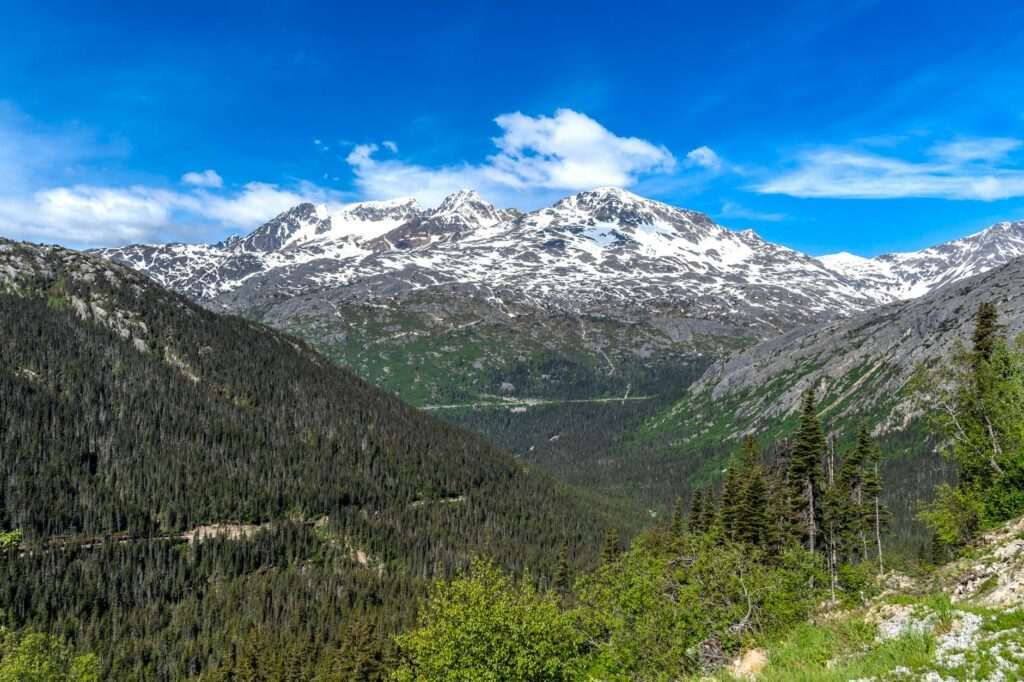
Chugach State Park sits just minutes from downtown Anchorage, yet its 495,000 acres of wilderness feel a world away. No permits are required for backcountry travel here — just a sturdy pack, solid boots, and a healthy respect for one of Alaska’s most spectacular mountain playgrounds. Whether you’re planning your first overnight or chasing a multi-day alpine traverse, the Chugach backcountry delivers.
Park Overview and Rules
Chugach State Park is the second-largest state park in the United States (after Wood-Tikchik State Park in Alaska), stretching from the Eagle River Valley in the north to the Turnagain Arm corridor in the south. The Chugach Mountains rise steeply above Anchorage, offering backcountry terrain ranging from forested river valleys to exposed alpine ridgelines.
There are no backcountry permits required. Campfires are allowed in established fire rings at designated campsites; otherwise, bring a backpacking stove. Pack out everything you pack in — Leave No Trace principles apply throughout the park. Bears are active from May through October, so carry bear spray and store food properly in your bear canister at all times.
Eagle River Valley
The Eagle River Nature Center serves as the gateway to one of the park’s most popular backcountry corridors. The Eagle River Bear Viewing Trail follows the river upstream through prime moose and brown bear habitat before giving way to the high country.
The main backcountry route from the Nature Center stretches roughly 12 miles to Crow Pass, with established campsites at Mile 9 and Mile 12. The Mile 9 camp sits in a broad alpine meadow flanked by glacially carved walls — one of the most scenic overnight spots in Southcentral Alaska. The South Fork Eagle River Trail branches off and provides an alternate return loop for experienced parties. Plan two to three days for the full Eagle River corridor.
Williwaw Lakes Basin
The Williwaw Lakes Basin is the crown jewel of the park’s Front Range backcountry. The Williwaw Lakes Trail covers a 14-mile loop through some of the most dramatic alpine terrain accessible from Anchorage. The route climbs steadily from the upper Hillside trailhead, eventually reaching four glacially fed alpine lakes nestled at roughly 3,500 feet elevation.
Camp at any of the lakeshores — flat, rocky tent pads are easy to find, and the sunrise views across the water toward the surrounding peaks are unforgettable. The loop traverses a high ridge connecting the lakes, so weather can change quickly. Check the forecast before heading out and be prepared for afternoon thunderstorms in July and August.
Crow Pass Trail
The Crow Pass Trail follows a segment of the historic Iditarod Trail, the original dog sled and mail route connecting Seward with the Interior. The 26-mile traverse from Girdwood to the Eagle River Nature Center (or vice versa) is the classic Chugach multi-day route.
Highlights include Raven Glacier, visible from the pass at 3,550 feet, and the ruins of the historic Monarch Mine, a gold operation active in the early 1900s. The route descends through stunning canyon scenery before joining the Eagle River Bear Viewing Trail for the final miles to the Nature Center. A vehicle shuttle between the Girdwood and Eagle River trailheads is essential. Most hikers complete the traverse in two days, though three days allows for side explorations and proper pacing.
Symphony and Eagle Lake Basin
The Indian Creek drainage offers quieter backcountry access compared to the park’s better-known corridors. From the Indian Valley trailhead off the Seward Highway, the route climbs steadily through spruce and birch forest before breaking into open alpine terrain. The Indian Creek Trail connects with the upper basin where Symphony Lake and Eagle Lake sit beneath sheer granite headwalls.
The round trip to the lakes covers roughly 10 miles with around 2,000 feet of elevation gain. Anglers should note that both lakes support Dolly Varden char. The basin rarely sees the crowds of the front-range trails, making it a solid choice for a peaceful overnight in late summer when wildflowers are at their peak.
Bear Safety and Gear Essentials
The Chugach supports healthy populations of both black bears and brown (grizzly) bears. On any backcountry trip, carry bear spray on your hip — not buried in your pack — and know how to use it. Hang or canister all food, scented items, and garbage at least 200 feet from your tent. Make noise on the trail, especially in berry patches and dense brush near streams.
For gear, the Chugach backcountry demands:
- Rain gear: Southcentral Alaska weather is notoriously changeable. A waterproof shell and rain pants are non-negotiable.
- Layers: Temperatures at alpine elevations can drop well below freezing even in July.
- Navigation: Cell service is unreliable or nonexistent in most backcountry zones. Carry a downloaded topo map and a compass or GPS device.
- Water filtration: Glacially fed streams are abundant, but giardia is present. Filter or treat all water.
- Ten Essentials: Standard wilderness kit applies — headlamp, first aid, fire starter, emergency shelter, extra food and water.
Planning Your Trip
The Chugach State Park Campgrounds near the park’s main access points offer a good base for day hikes before committing to overnight routes. For an overview of all trailhead access and route options across the park, the Chugach State Park Trail Systems guide is an excellent starting point.
The peak backcountry season runs late June through mid-September, when snow has melted from most passes and daylight lasts nearly 20 hours. July brings the highest chance of warm, stable weather; August offers spectacular berry picking and early fall color. Whatever window you choose, leave a detailed trip plan with someone who knows when to call for help.
Chugach State Park’s backcountry is one of Alaska’s best-kept secrets — and it’s right in Anchorage’s backyard. Pack smart, travel safely, and you’ll find wild mountain country that rivals anything in the state.
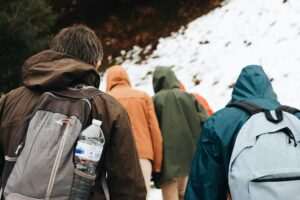
Featured photo by Kristen Nagy on Pexels.

No comments yet.