
Camping Near Anchorage 2026 — Best Campgrounds at Bird Creek, Eklutna Lake & Chugach State Park
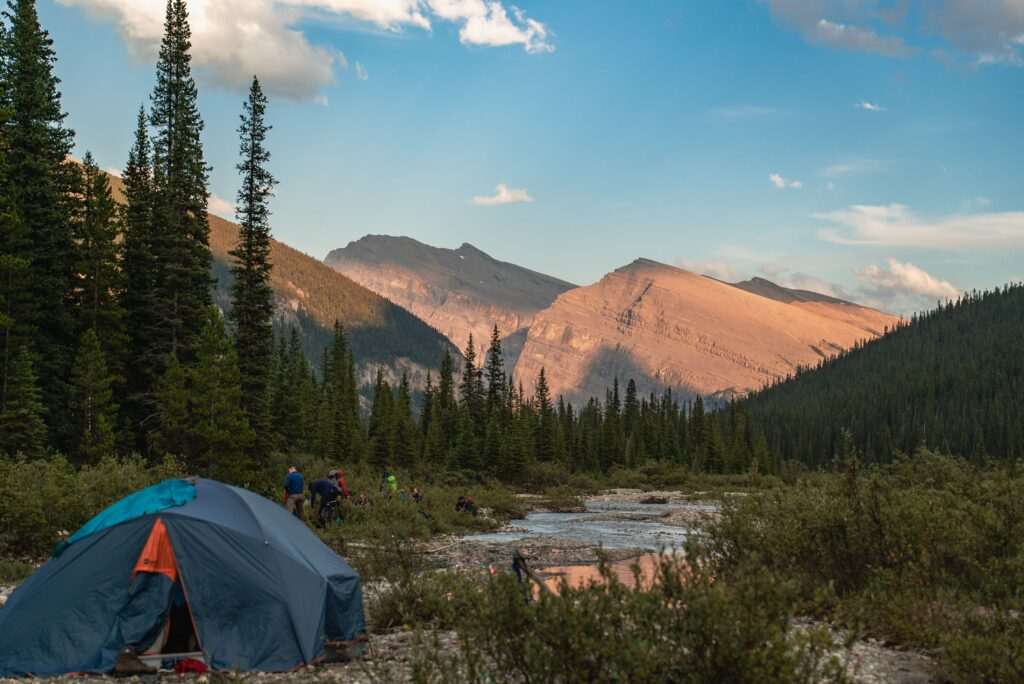
Camping near Anchorage spans a wider range than most visitors expect. The campground at Bird Creek is a twenty-five-mile drive down the Seward Highway, within sight of Turnagain Arm and close enough to active salmon water to hear the fish hitting during the early morning. Eklutna Lake, north of the city via the Glenn Highway, sits in a glacially carved bowl where the water is a pale turquoise that photographs like something fabricated. Eagle River has a developed campground less than fifteen minutes from downtown that feels nothing like fifteen minutes from downtown. And above all of these, the Chugach State Park backcountry holds dispersed camping at alpine lakes that most visitors never find at all. Anchorage puts four different versions of an outdoor night within an hour and a half of the city.
Bird Creek Campground
Bird Creek Campground sits at mile 101 of the Seward Highway, twenty-five miles south of Anchorage on a stretch of road that runs directly alongside Turnagain Arm. The campground has 28 sites — no hookups, first-come first-served — priced at $20 per night. Sites are set in spruce and cottonwood with views across the water to the Kenai Mountains on clear days. The tidal flat below the highway is among the most dramatic in the region: Turnagain Arm has some of the greatest tidal swings in the world, and the mud exposed at low tide and the bore tide that rolls in at the change are both worth timing your morning around.
The creek itself runs salmon in season. Bird Creek fishing draws serious anglers during the pink salmon runs in July and August — the campground fills on peak weekends during these windows. Outside salmon timing, the campground is considerably quieter and the Seward Highway corridor offers a drive that makes the trip worthwhile on its own. Arriving on a weekday in June before the main run crowds is the best positioning.
Eklutna Lake Campground
Eklutna Lake Campground sits at the end of Eklutna Lake Road, roughly thirty-five miles northeast of Anchorage via the Glenn Highway. The lake is glacially fed and carries the deep turquoise color of glacier-melt water systems — a color that reads as implausible even in person. The campground has approximately fifty sites ranging from tent-only to RV-accessible, with pit toilets and water available during the operating season. Sites cost $15 to $20 per night through the Alaska State Parks reservation system.
The Lakeside Trail runs ten miles along the eastern shoreline to the head of the lake, making the campground a starting point for day hikes or a base for multi-night backpackers continuing to the Twin Peaks backcountry. Lifetime Adventures at Eklutna Lake rents canoes, kayaks, and mountain bikes from a small concession at the campground — water access without hauling gear from the city. The lake is quieter than Bird Creek and the surrounding terrain is less visited, which makes it the first choice for campers who want the glacial lake environment without the Seward Highway corridor competition.
Eagle River Campground
Eagle River Campground in Chugach State Park sits eleven miles from downtown Anchorage in the Eagle River valley, off the Eagle River Road exit from the Glenn Highway. The campground has 57 sites with access to the river corridor and the trailhead network that fans out through the lower Chugach. Sites run $20 to $25 per night; hookups are not available.
The proximity to the Eagle River Nature Center — two miles further up the road from the campground — makes this the best-positioned campground for hikers who want naturalist programming, guided walks, or access to the Albert Loop and Symphony Lake trails. The valley setting is dramatic: spruce-covered walls rise sharply on both sides, the river runs clean and cold through gravel bars, and bears are regular presences in the drainage during salmon season. Campers should use the provided bear boxes and treat this campground as wildlife habitat, not a backyard.
Chugach State Park Dispersed Camping
Beyond the developed campgrounds, Chugach State Park campgrounds and backcountry permits allow dispersed camping throughout the park’s half-million acres. The most accessible backcountry sites are at Ship Lake and Symphony Lake, both reachable in three to five miles of hiking from the O’Malley Road trailhead. Alpine lakes surrounded by granite walls and populated by Dall sheep on the ridgelines above — this is the Chugach that residents spend years finding their way to.
Backcountry permits are free and required for overnight stays in designated backcountry zones. Bear canisters are strongly recommended over hang systems given the terrain; many sites have no suitable trees above treeline. Camping in Chugach backcountry requires familiarity with route-finding, Leave No Trace practices, and the unpredictability of Alaska weather at altitude. The reward is solitude in genuine wilderness within a day’s hike of a major American city — a combination that is nearly unique in the lower 48 and doesn’t exist at all there.
Practical Information
Most developed campgrounds near Anchorage are reservable through the Alaska State Parks reservation system (reserveamerica.com) from mid-May through Labor Day. High-demand sites at Bird Creek and Eklutna Lake fill two to four weeks ahead during July salmon peak. An Alaska State Parks annual camping pass runs $60 and covers nightly fees at all state park campgrounds — it pays for itself in two to three nights.
Bear boxes are standard equipment at all sites; food and scented items stored in tents or vehicles attract bears in salmon season. Bring a solid eye mask and earplugs — Alaska’s midnight sun means full daylight at 11pm in June and July, and many campers underestimate how difficult this makes sleep in a thin-walled tent. Mosquitoes peak in late June and early July; headnets and permethrin-treated clothing reduce misery significantly in wooded sites at Bird Creek and Eagle River.
What is the closest campground to downtown Anchorage?
Eagle River Campground in Chugach State Park is approximately eleven miles from downtown Anchorage via the Glenn Highway — roughly fifteen to twenty minutes by car. It offers 57 sites with full park access and proximity to the Eagle River Nature Center trail network, making it the most convenient developed camping near the city.
Do you need reservations to camp near Anchorage?
For the most popular sites at Bird Creek and Eklutna Lake, reservations through the Alaska State Parks system (reserveamerica.com) are strongly recommended, especially for July and August weekends. Eagle River Campground also accepts reservations. Chugach State Park backcountry camping requires a free permit but no fee reservation. First-come first-served sites exist but fill early on summer weekends.
Are bears a concern at campgrounds near Anchorage?
Yes — bear activity is a genuine consideration at all campgrounds near Anchorage, particularly during salmon season in July and August. Use provided bear boxes or a bear canister for all food, toiletries, and scented items. Never store food in tents or vehicles. Campground rangers post current bear activity information; pay attention to it.
When is the best time to camp near Anchorage?
Late June through August offers the best combination of weather, trail conditions, and campground access. Early June is excellent for avoiding crowds but conditions are wetter and mosquitoes are most intense. September brings fall color and empty campgrounds but cold nights and shorter days. Most campgrounds operate May through September with full facilities; some are accessible year-round with reduced services.
Camping near Anchorage rewards the early start and the midweek timing. The campgrounds are real places in real wilderness — the wildlife activity, the water, and the terrain that frames every site are the point, not the amenity list. Book ahead, bring the eye mask, and leave the cotton at home.
Featured photo by Syed Qaarif Andrabi on Pexels.

No comments yet.