Budget Travel in Anchorage 2026: How to Visit Alaska Without Breaking the Bank
Alaska has a reputation as an expensive destination, and Anchorage does nothing to dispel that — hotel rates are high, dining out adds up fast, and the organized tours that fill visitor itineraries can run several hundred dollars a day. But the core of what makes Anchorage worth visiting is almost entirely free: the trails, the wildlife, the daylight, and the scenery. Budget travel in Anchorage in 2026 is genuinely viable if you structure your trip around what the city actually offers rather than what the tourist industry is selling.
Free Anchorage Attractions
Start with Earthquake Park — a free, flat interpretive trail that explains how the 1964 Good Friday Earthquake reshaped the Anchorage landscape. The paved path is accessible, the views over Cook Inlet are excellent, and it requires nothing more than 30 minutes and functional footwear. From the park, you’re directly on the Tony Knowles Coastal Trail, 11 miles of paved path along the water that gives you Cook Inlet views, Denali sightings on clear days, and access to some of Anchorage’s best parks without spending anything.
The Anchorage Museum offers free admission every Saturday from 10 AM to 6 PM through the summer — one of the better deals in the city. The museum covers Alaska history, Indigenous art, and science exhibits across multiple floors; it’s a full half-day for anyone genuinely interested. Even if you’re not a museum person, the building is centrally located, air-conditioned, and free Wi-Fi is available in the lobby.
Free Hiking: Flattop Mountain and Beyond
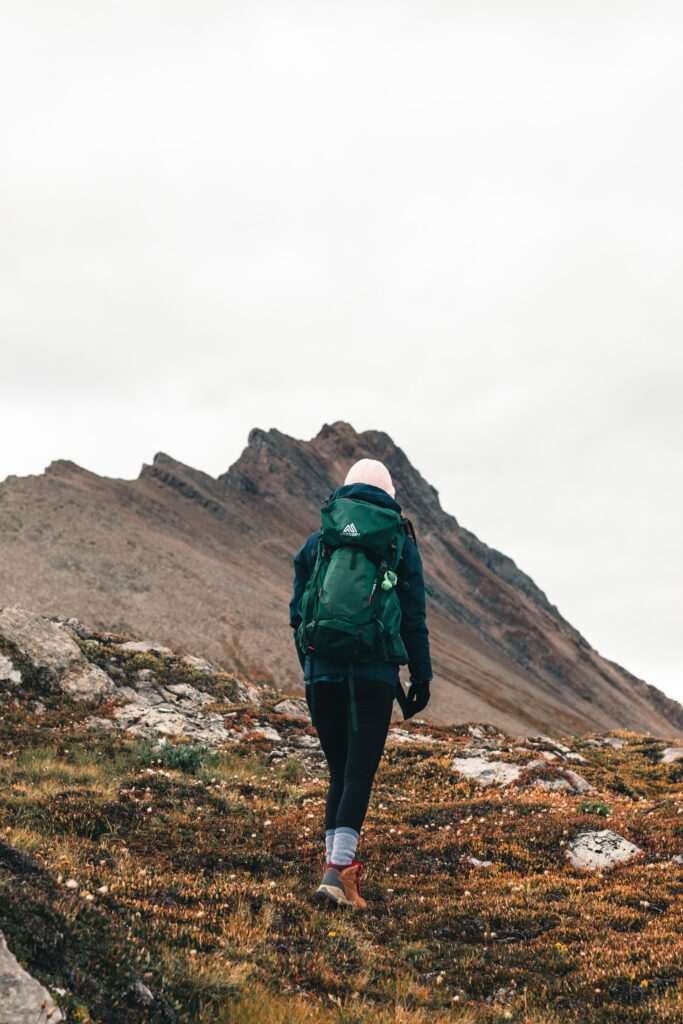
The trailheads outside Anchorage charge nothing, and several of Alaska’s most famous hikes begin within 30 minutes of downtown. Flattop Mountain is the most-hiked trail in the state — a 3.4-mile round trip to a summit with 360-degree views of the Chugach Range, Cook Inlet, and the Alaska Range on clear days. The trailhead charges a small day-use parking fee ($5 through the Alaska State Parks system), but the hike itself is free and the views are equivalent to what you’d pay several hundred dollars for on an organized scenic flight.
The Powerline Pass Trail in the Chugach is longer and more remote-feeling, running through an alpine valley with views that require no technical skill to access. Both trails are free to hike, maintained, and popular enough that you’ll share them with other visitors — but Anchorage’s trail system is large enough that quiet can be found a mile from any trailhead on a weekday morning.
Budget Food: How to Eat Well Without Overpaying
The Anchorage Market & Festival runs Saturday and Sunday mornings in the central parking lot at 3rd Avenue and E Street from mid-May through mid-September. Vendors sell food, produce, and crafts. The food vendor prices are significantly lower than restaurants for equivalent quality — a complete breakfast from a market stall typically runs $8–$12 compared to $18–$24 at a sit-down restaurant nearby. It’s a practical meal stop, not just a tourist experience.
Food trucks on 4th Avenue and around Midtown run during summer and offer full meals at lower prices than brick-and-mortar restaurants. Anchorage also has an active food truck culture that rotates locations — checking local social media for current spots gives you the best-value lunch options in the city on any given day.
For self-catering, Fred Meyer and Carrs supermarkets are stocked with Alaska-sourced seafood alongside standard grocery inventory. Buying salmon, halibut, or king crab directly from a grocery store and cooking at your accommodation costs a fraction of the restaurant price for the same product. Travelers staying in hostels or campgrounds with kitchen access can eat extremely well on $15–$20 per day this way.
Budget Accommodation: Camping and Hostels
The most affordable lodging near Anchorage is camping. Chugach State Park campgrounds offer sites for $20–$35 per night within short driving distance of the city — far less than any hotel option and in genuinely spectacular locations. Bird Creek campground on the Seward Highway is the most accessible to Anchorage; Eklutna Lake has more remote camping within the state park system. Book ahead for summer weekends — sites fill quickly.
Anchorage has hostel options in the Midtown and Spenard areas that offer dorm beds for $35–$55 per night. These come and go, so confirm current availability with a search rather than a static list. Midtown motels (budget chains along the Spenard Road corridor) offer private rooms from $90–$130 per night in the shoulder season — significantly less than downtown hotel rates during peak summer.
Free Wildlife Viewing
Alaska wildlife viewing doesn’t require a guided tour. The Potter Marsh Bird Sanctuary, south of Anchorage on the Seward Highway, has a free boardwalk over the marsh with shorebirds, waterfowl, and occasional brown bear activity visible from the walkway. It’s one of the most accessible wildlife viewing spots in the state and costs nothing beyond the drive.
Westchester Lagoon in Midtown is a year-round wildlife spot where moose, bald eagles, and migrating waterfowl are regular presences. The lagoon connects to the Coastal Trail and is a free stop that most visitors miss because it’s not in the visitor brochures. The same goes for Kincaid Park — moose are common throughout the park’s trail network, and you’re as likely to encounter one on a free walk as on a $200 wildlife tour.
Getting Around for Free (or Nearly Free)
Anchorage’s People Mover bus system connects most of the city for $2 per ride. The downtown core is walkable — most central attractions are within a 20-minute walk of each other. Bike rentals are available from downtown shops and allow you to cover the Coastal Trail and surrounding parks efficiently; a full-day rental typically runs $30–$40.
The free downtown visitor shuttle (when running) connects key stops in the tourist core. The Walk Anchorage app and the Anchorage municipality’s trail maps are free resources that provide more practical information than any paid tour.
Free Events in Summer
The summer concert series in Anchorage parks are free. Delaney Park hosts regular events throughout June, July, and August. The Saturday Market is free to browse. Ship Creek, just north of downtown, is a free urban fishing spot where visitors can watch salmon runs and occasionally fish — it’s a genuine Alaska experience with no admission charge. The summer solstice (June 21) brings city-wide events and late-night outdoor activity that cost nothing to participate in.
Avoiding Tourist Traps
The most overpriced category in Anchorage tourism is organized city tours. A 2-3 hour narrated bus tour typically costs $60–$90 per person and covers sights you can walk to or drive past for free. The Tony Knowles Coastal Trail, Earthquake Park, Ship Creek, and the Museum cover the same ground at zero cost.
Glacier day trips from Anchorage (bus tours to Portage or Matanuska) cost $80–$150 per person and can be replicated by driving the highway yourself for the cost of gas. Rental cars in Anchorage run $60–$90 per day during shoulder season — a car for a day split among two travelers provides more flexibility than any organized tour at a lower total cost.
Budget Timing: Shoulder Season Savings
Hotel rates in Anchorage drop 30–50% from June peak levels in May and September. Trails are still accessible, wildlife is active (spring bears in May, fall migration in September), and visitor crowds are significantly thinner. The tradeoff is less guaranteed daylight and some weather variability — but Anchorage’s outdoor infrastructure functions in all weather, and a rainy day on the Coastal Trail is still a free and worthwhile experience.
Free Visitor Resources
The Log Cabin Visitor Information Center at 4th Avenue and F Street provides free maps, trail information, and ranger guidance. Staff can point you to current free events, accessible trails, and practical logistics that the visitor brochures typically bury. The Alaska Public Lands Information Center (APLIC) on 4th Avenue is similarly free and provides detailed information on Chugach State Park, wilderness permits, and backcountry camping — useful for anyone planning to extend beyond Anchorage without spending on guided services.
Free Wi-Fi and Digital Nomad Resources
The Anchorage Public Library system offers free Wi-Fi and computer access at branches throughout the city. The Z.J. Loussac Library in Midtown is the largest branch, with reliable connectivity, quiet work spaces, and facilities comparable to any co-working space — at no cost. The Museum lobby also has Wi-Fi on free admission Saturdays. Most coffee shops provide free Wi-Fi, and Anchorage’s downtown area has several independent cafés where a $5 coffee purchase gets you a working environment for hours.
Ship Creek: Free Salmon Viewing in Downtown Anchorage
Ship Creek runs through the industrial area just north of downtown, and during the salmon run (typically July through August), watching hundreds of sockeye, king, or silver salmon pushing upstream is one of the genuinely Alaska moments accessible from a city street. The viewing platform is free, the run is consistent year to year, and the scene — salmon crowding a creek within sight of downtown buildings — captures something specific about Anchorage that organized tours can’t replicate. Urban fishing is permitted with a valid Alaska fishing license for visitors who want to turn a free viewing stop into an active experience.
Featured photo by Lure of Adventure on Pexels.


No comments yet.