
Best Hikes Near Anchorage 2026 — Top Trails for Every Level
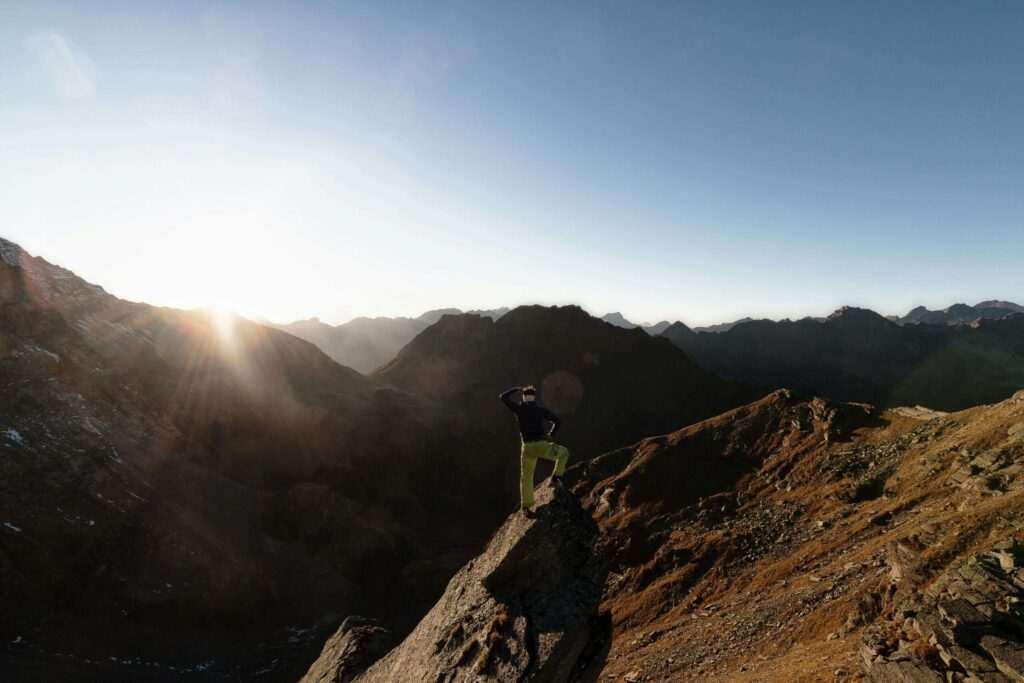
Anchorage sits on the edge of one of the great trail networks in North America. Chugach State Park — half a million acres of wilderness — starts right at the city’s eastern edge, and within a 30-minute drive you can be above treeline on a ridge with 360-degree views of the Alaska Range, Cook Inlet, and the Kenai Peninsula. Whether you’re lacing up for the first time or chasing a serious summit, there’s a hike here with your name on it.
Here are the best day hikes accessible from Anchorage in 2026, organized by difficulty so you can find the right trail fast.
Easy Hikes — Great for Families & First-Timers
1. Tony Knowles Coastal Trail
Distance: Up to 11 miles (out-and-back or point-to-point) | Elevation gain: Minimal | Trailhead: Downtown Anchorage (2nd Ave & H St)
The Tony Knowles Coastal Trail is the most accessible great trail in Alaska. This paved path runs along Cook Inlet from downtown all the way to Kincaid Park, with views of Denali on clear days and moose sightings practically guaranteed. You don’t need a car to reach it — just walk west from any downtown hotel. It’s flat, well-maintained, and beautiful year-round. Families with strollers and cyclists love it too. Go as far as you want and turn around.
2. Byron Glacier Trail
Distance: 1 mile round trip | Elevation gain: 100 ft | Trailhead: Portage Valley (50 miles south)
One of Alaska’s most rewarding short hikes, the Byron Glacier Trail leads through a stunning glacial valley to the foot of a hanging glacier. The trail is easy and well-marked, and the payoff — standing beneath a blue wall of ancient ice — is genuinely spectacular. Combine it with a stop at Portage Glacier nearby for a full Portage Valley day. Drive time: about 1 hour from Anchorage.
3. Albert Loop Trail
Distance: 3.2 miles (loop) | Elevation gain: 200 ft | Trailhead: Eagle River Nature Center (30 min from Anchorage)
This forested loop in Eagle River is one of the best family hikes near Anchorage. The trail winds through spruce and birch forests, past beaver ponds, and alongside the glacier-fed Eagle River. Interpretive signs throughout make it an educational walk for kids. The Nature Center itself is worth a stop before or after — it has wildlife exhibits, knowledgeable staff, and a deck with mountain views. Black bears and moose are regularly spotted here, so stay alert and make noise on the trail.
Moderate Hikes — A Good Workout, Big Reward
4. Thunderbird Falls Trail
Distance: 2 miles round trip | Elevation gain: 200 ft | Trailhead: Eklutna (30 min north)
Short, forested, and ending at a gorgeous waterfall — the Thunderbird Falls Trail is one of those hikes where the effort is low and the wow factor is high. The 200-foot falls are most dramatic in late spring when snowmelt is running full. The trail is wide and well-maintained, making it a great option when you want to get into the woods without a big commitment. Head north on the Glenn Highway and you’ll reach the trailhead in about 30 minutes.
5. Flattop Mountain Trail
Distance: 3.4 miles round trip | Elevation gain: 1,350 ft | Trailhead: Glen Alps Trailhead, Chugach State Park (20 min from downtown)
Alaska’s most-climbed peak is right inside Anchorage — and it earns every one of those footsteps. The Flattop Mountain Trail from Glen Alps is steep but straightforward, and the 360-degree views from the summit are extraordinary: the city below, Cook Inlet to the west, and Denali floating on the horizon on clear days. Budget 2–3 hours for the round trip. The upper section involves some scrambling over rocks. A $5 day-use fee applies at the trailhead. Go on a weekday to beat the crowds.
6. McHugh Creek to Rabbit Lake
Distance: 6 miles round trip | Elevation gain: 2,400 ft | Trailhead: McHugh Creek Trailhead on Seward Hwy (15 min south)
The McHugh Creek Trail to Rabbit Lake is one of the best alpine destinations accessible from Anchorage in a single day. You’ll climb steeply through forest, then break into open tundra with sweeping Turnagain Arm views, and finally arrive at a dramatic cirque lake ringed by peaks. It’s a genuinely wild-feeling hike despite being minutes from the highway. Snowfields can linger into June — traction devices are useful in early season.
Strenuous Hikes — For the Full Alaska Experience
7. Crow Pass Trail
Distance: 7 miles round trip to the pass | Elevation gain: 2,500 ft | Trailhead: Girdwood (45 min south)
The Crow Pass Trail is one of the most dramatic hikes near Anchorage. The route climbs through a hanging valley past the ruins of the Crow Creek Mine, a working glacier, and some of the most striking alpine scenery in the region. The trail continues all the way to Eagle River (26 miles total) — but most day hikers turn around at Crow Pass itself. Start early, bring layers, and be prepared for the trail to hold snow into July at higher elevations.
8. Reed Lakes Trail
Distance: 4.7 miles round trip to Upper Reed Lake | Elevation gain: 1,200 ft | Trailhead: Hatcher Pass (75 min north)
Reed Lakes sits in one of Alaska’s most beautiful alpine basins — turquoise water ringed by granite walls and waterfalls dropping from snowfields above. The trail starts at Archangel Road in Hatcher Pass and climbs steadily through birch forest into open tundra. Lower Reed Lake is stunning; Upper Reed Lake adds 400 more feet of gain and is even better. In summer, wildflowers carpet the meadows. Plan the full day — the drive from Anchorage through the Matanuska Valley is beautiful in its own right.
9. Wolverine Peak Trail
Distance: 11.2 miles round trip | Elevation gain: 3,600 ft | Trailhead: Prospect Heights Trailhead, Chugach State Park (20 min from downtown)
For hikers who want a serious Anchorage-area summit, the Wolverine Peak Trail delivers. At 4,455 feet, the summit offers some of the best views in Chugach State Park — the city, the inlet, and the full arc of the Alaska Range on a clear day. It’s a long day hike (typically 6–8 hours), but the trail is well-marked and the ridge walk near the top is exhilarating. Bring plenty of water and snacks; there’s no shade above treeline.
10. Harding Icefield Trail
Distance: 8.2 miles round trip | Elevation gain: 3,000 ft | Trailhead: Exit Glacier, Seward (2.5 hours from Anchorage)
This is one of the most spectacular hikes in Alaska — period. The Harding Icefield Trail climbs from Exit Glacier in Kenai Fjords National Park to the edge of the icefield, one of the largest in North America. The views at the top — an endless expanse of blue-white ice punctuated by nunataks (peaks poking through the ice) — are otherworldly. It’s worth the 2.5-hour drive from Anchorage for a day trip. Start as early as possible, wear waterproof boots, and check current trail conditions before going. Snow can close the upper section well into summer.
Practical Tips for Hiking Near Anchorage
- Bear safety. Brown and black bears live throughout Chugach State Park and surrounding areas. Carry bear spray and know how to use it. Make noise on the trail, especially in dense brush. Never approach or feed wildlife.
- Always bring rain gear. Anchorage weather changes fast. Even on a clear morning, afternoon clouds can roll in quickly. A lightweight waterproof shell weighs almost nothing and can save your day.
- Check conditions before you go. The Chugach State Park website and Alaska Trail Conditions Facebook group post current snow, mud, and trail closure updates.
- Trailhead parking fees. Several Chugach State Park trailheads charge $5 day-use parking. Bring cash or a card — the machines vary.
- Peak hiking season is June–September. High trails are typically snow-free by late June. Wildflowers peak in July. September brings fall colors — one of the best times to hike in Alaska.
What is the easiest hike near Anchorage?
The Tony Knowles Coastal Trail is the most accessible — it starts downtown, it’s fully paved, it’s flat, and it offers stunning Cook Inlet views right from the trailhead. For something slightly wilder, Byron Glacier Trail (1 mile round trip) and Albert Loop Trail at Eagle River Nature Center (3.2 miles) are both easy and spectacular for beginners or families.
Do I need bear spray for hiking near Anchorage?
Yes — bear spray is strongly recommended for any hike in Chugach State Park and surrounding areas. Brown and black bears are common throughout the region. Carry it in an accessible holster, not buried in your pack. Most outdoor shops in Anchorage sell and rent bear spray.
When is the best time to hike near Anchorage?
Late June through mid-September is ideal. High alpine trails are typically snow-free by late June. July brings the best wildflower displays. September is excellent for fall foliage, fewer crowds, and cooler temperatures. Some trails like Flattop and the Coastal Trail are accessible year-round.
Can I hike Flattop Mountain as a beginner?
Flattop is doable for fit beginners, but it’s not a casual stroll — there’s 1,350 feet of elevation gain in 1.7 miles, and the upper section involves scrambling over loose rock. If you’re new to hiking, build up with the Coastal Trail or Albert Loop first. On Flattop, wear sturdy shoes, go slowly, and turn back if conditions deteriorate.
Ready to Hit the Trails?
Anchorage’s trail system is one of the best-kept secrets in North American outdoor recreation — world-class scenery within minutes of a city with great hotels, restaurants, and an international airport. Whether you’re after a gentle coastal stroll or an all-day alpine summit, there’s a trail here that’ll stop you in your tracks. Grab your layers, load up the bear spray, and get out there.
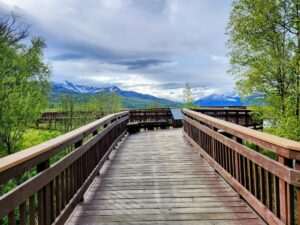
Featured photo by eberhard grossgasteiger on Pexels.
No comments yet.