
Bear Viewing in Alaska 2026: Best Tours & Spots from Anchorage
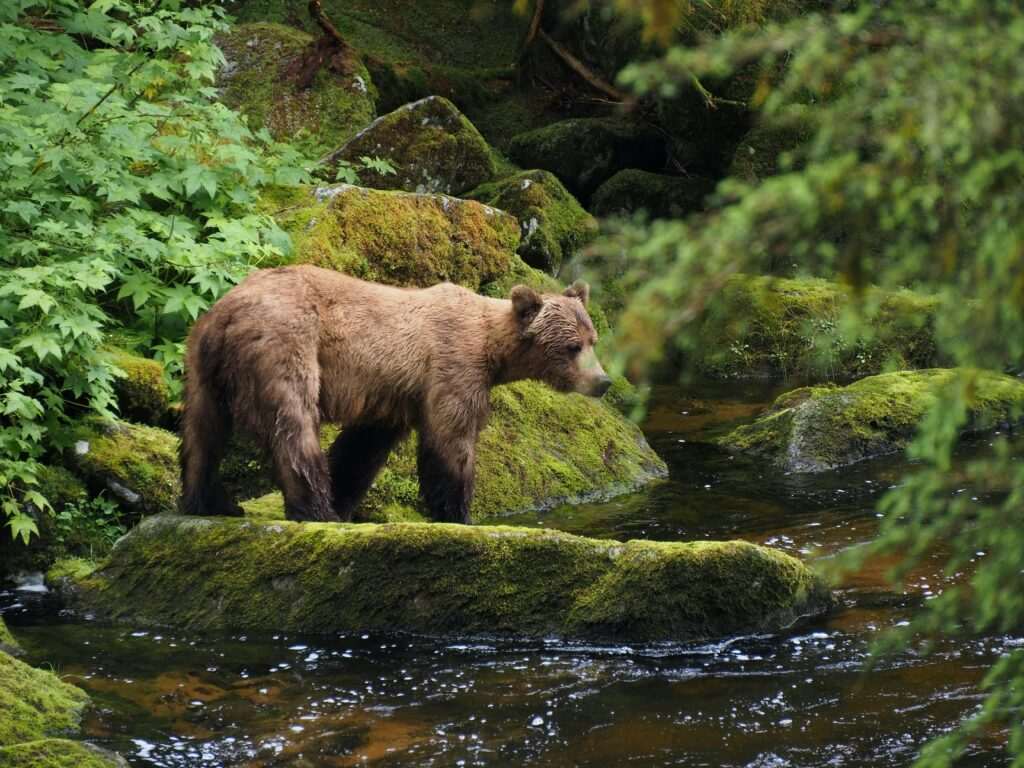
Alaska has the largest concentration of brown bears in the world, and the viewing opportunities accessible from Anchorage — ranging from a free trailside sighting to a fly-in expedition to one of the most photographed wildlife spectacles on earth — span every budget and commitment level. The key is knowing which option matches what you’re actually looking for. Here’s the full picture.
Brown Bears vs. Black Bears: What You’ll Actually See
Both species are present in southcentral Alaska, and understanding the difference matters before you go. Brown bears (the inland population of the same species as coastal grizzlies) dominate the Kenai Peninsula and the terrain surrounding most of the prime viewing destinations described here. They’re larger, often more visible in open terrain, and their salmon-fishing behavior — standing in rivers, catching fish mid-leap — is what most visitors picture when they think of Alaska bear viewing. Black bears are more common in forested areas close to Anchorage itself, including Chugach State Park and the hillside neighborhoods. They’re smaller, typically more elusive, and less reliably seen at predictable spots.
For the salmon-fishing, river-standing experience that defines world-class bear viewing, the destinations below focus on brown bears at their most active and accessible.
Near Anchorage: Free and Guided Options
Eagle River Bear Viewing Trail
The Eagle River Bear Viewing Trail is the closest reliable brown bear viewing spot to downtown Anchorage — under 30 minutes by car. In late July and August, when pink and sockeye salmon move into the Eagle River system, bears concentrate along the lower river to feed. The trail provides elevated viewing platforms that let visitors watch fishing behavior without disturbing the bears. No fee, no guide required, though morning and evening visits during the salmon peak produce the most consistent sightings.
The Eagle River Nature Center serves as the hub for this area and provides naturalist interpretation, trail maps, and current bear activity reports. Check their site or call ahead during salmon season for real-time conditions.
Alaska Wildlife Conservation Center
The Alaska Wildlife Conservation Center (AWCC), 45 minutes south of Anchorage on the Seward Highway, isn’t a wild viewing location — it’s a wildlife sanctuary and rescue facility where Alaska species including brown bears, black bears, moose, bison, musk ox, and wolves live in large natural enclosures. For visitors who want a guaranteed close encounter with bears and other Alaska wildlife regardless of season or salmon run timing, AWCC delivers it. The facility is excellent, the enclosures are spacious, and the educational programming adds genuine context to what you’re seeing. A good complement to a wild viewing trip, or a standalone option when timing doesn’t allow for the wilder destinations.
Fly-In Bear Viewing: Katmai and Beyond
Brooks Falls — The Benchmark Experience
Brooks Falls in Katmai National Park is the most famous bear viewing location in the world. Every July and September, brown bears line up at the falls to intercept sockeye salmon making their upstream run, and the concentration of bears — sometimes 20 or more visible simultaneously — produces wildlife encounters that no road-accessible location can match. The image of a bear catching a leaping salmon mid-air at Brooks Falls is one of the defining wildlife photographs of Alaska, and it’s taken there in real time, not staged.
Getting there requires a float plane from King Salmon or Homer. From Anchorage, FlyAKAir Bear Viewing Tours operates fly-in day trips that handle the full logistics — flight from Anchorage to the park, guide service at the falls, and return flight — making Katmai accessible without multi-day planning. The Brooks Falls Bear Viewing experience at the falls themselves includes viewing platforms positioned above and adjacent to the falls where visitors watch at close range under park ranger supervision. Reservations are essential and fill far in advance for July peak season.
The peak windows: July (sockeye salmon run, peak bear activity at the falls) and September (coho run, fewer visitors, bears building fat reserves before hibernation). Both produce outstanding viewing; July is more competitive for reservations.
McNeil River State Game Sanctuary
McNeil River, 250 miles southwest of Anchorage on the Alaska Peninsula, is the most concentrated gathering of brown bears in the world during the July chum salmon run. The Alaska Department of Fish and Game manages access through a lottery permit system — only a handful of visitors per day are allowed into the sanctuary — which means the viewing is extraordinary and uncrowded. Getting a McNeil River permit requires applying through the lottery well before the season. Fly-in access from Anchorage takes approximately two hours by small plane. For serious bear viewers who can plan a year or more ahead, McNeil River is the pinnacle.
Kenai Peninsula: Road-Accessible Wild Viewing
Russian River Falls
On the Kenai Peninsula about two hours south of Anchorage, the Russian River Falls viewing area lets visitors watch brown bears fishing at a natural waterfall cascade from a designated viewing platform. The bears fish sockeye salmon through mid-summer in a setting that’s wild, accessible without a fly-in, and free to visit (though the nearby Russian River Campground and ferry crossing require fees). This is one of the most productive road-accessible bear viewing spots in Alaska and combines naturally with a Kenai Peninsula day trip.
Resurrection Creek
Near Hope on the Kenai Peninsula, Resurrection Creek provides bear viewing in a quieter, less-visited setting than Russian River. Bears fish the creek during salmon runs in a forested canyon environment. Fewer crowds, good wildlife photography conditions, and an easy combination with the historic gold rush community of Hope for a full Kenai day.
Best Months and Timing
Bear viewing near Anchorage follows the salmon calendar, and the calendar is predictable:
- June: Bears emerging from dens, feeding on vegetation. Less predictable sightings; some early sockeye activity on the Kenai.
- July: Peak season. Sockeye runs at Russian River, Brooks Falls, and Eagle River. Best month for fly-in viewing at Katmai. Book everything in advance.
- August: Pink salmon and continued sockeye. Eagle River peak viewing window. Good conditions at most locations.
- September: Coho salmon runs. Brooks Falls second peak. Bears in hyperphagia — eating constantly before hibernation — producing some of the most active fishing behavior of the year. Fewer visitors than July.
- October: Bears transitioning toward denning. Sightings less reliable but still possible; uncrowded conditions at road-accessible spots.
Safety Guidelines
At guided and managed viewing sites like Brooks Falls and the Eagle River platforms, rangers and guides maintain safe distances and manage visitor behavior — follow their instructions without exception. At road-accessible locations like Russian River, the responsibility shifts to you. Never approach bears or position yourself between a bear and water, cubs, or food. Bear spray is standard kit for any hike in bear country; carry it in an accessible holster, not buried in a pack. Make consistent noise on trails. The Rust’s Flying Service and other fly-out operators provide bear safety briefings as part of their guided programs — listen carefully and follow the protocols.
Sightings at wild locations are never guaranteed. Building in flexibility — multiple viewing attempts, a mix of managed and wild locations — maximizes the chances of the experience you’re looking for. The bears are there; the timing and location are the variables to manage.
Featured photo by Lamont Mead on Pexels.
No comments yet.