Anchorage Summer Festivals & Events 2026: Music, Food & Cultural Celebrations
Anchorage summers are short and the city knows it. From June through August, the calendar fills with festivals, markets, outdoor concerts, and community events that compress a full year’s worth of celebration into three months of near-endless daylight. The midnight sun makes events that would shut down at 9 p.m. elsewhere run until midnight without a dark sky in sight. Here’s what’s happening in 2026 and how to plan around it.
The Anchor Events: Major Summer Festivals
Anchorage Market & Festival
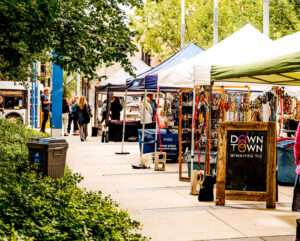
The Anchorage Market & Festival runs weekends from late May through Labor Day in the Delaney Park Strip — the largest outdoor market in Alaska, with over 300 vendors selling local art, crafts, jewelry, clothing, food, and produce. The market is free to enter and family-friendly, with a consistent presence of Alaska Native artists and craftspeople alongside the general vendor mix. Weekend mornings are the best time to go — the serious shoppers arrive first and the food vendors are freshest before the afternoon crowd builds. This is the single most consistent summer event in Anchorage and a reliable anchor for any weekend itinerary.
Bear Paw Festival
The Bear Paw Festival takes over Eagle River (just north of Anchorage) for several days in mid-July — one of Alaska’s largest community summer celebrations. The festival includes a parade, carnival rides, live music, food vendors, and a community atmosphere that reflects the Mat-Su Valley’s character more than downtown Anchorage’s urban vibe. Free admission to most events. Families with children find this one of the most accessible summer festival options in the Anchorage area.
Girdwood Forest Fair & Blueberry Festival
The Girdwood Forest Fair & Blueberry Festival in July is Girdwood’s signature community event — an arts festival held in the trees with local art vendors, live music, food, and the distinctive eccentric character that makes this mountain town worth the 40-minute drive from Anchorage. The blueberry theme runs through the food vendors, with wild Alaska blueberry products throughout. The Blueberry Festival in late August, the Blueberry Festival Girdwood, extends the celebration into the peak berry season. Together, these two events anchor Girdwood’s summer cultural calendar.
Alaska State Fair
Technically held in Palmer (45 minutes north of Anchorage), the Alaska State Fair 2026 runs from late August through Labor Day and is the largest event in the state — drawing several hundred thousand visitors over its run. The giant vegetables are the Alaska signature (the world record cabbage was grown here), but the fair also brings major national music acts, rodeo events, carnival rides, local food competitions, and enough booths to fill a full day. Ticketed entry; plan for heavy traffic in Palmer on weekends.
Live Music and Outdoor Concerts
The Live After Five Concert Series brings free outdoor concerts to downtown Anchorage on summer evenings — a consistent weekly programming anchor that gives the city’s outdoor gathering spaces genuine energy during the long daylight hours. The Sundown Solstice Festival around the summer solstice (June 21) is Anchorage’s longest-day celebration, with outdoor performances timed to the midnight sun. The Alaska Folk Music Festival and Anchorage Chamber Music Festival offer programming for more specific musical tastes — folk and acoustic on one end, classical chamber performance on the other.
Cultural and Community Events
The Anchorage Native Arts & Culture Festival brings Alaska Native dance, traditional games, and art to a public celebration format — one of the best opportunities in the city to engage with the Indigenous cultures that have shaped southcentral Alaska for thousands of years. Free to attend; check current year dates as scheduling varies.
PrideFest Anchorage 2026 brings the city’s LGBTQ+ community celebration to downtown in late June, typically the weekend nearest the summer solstice. The festival includes a parade through downtown, live entertainment, food vendors, and community programming. Free to attend.
The Anchorage International Street Food Festival and Downtown Summer Market & Festival add food-focused programming to the summer calendar, pulling from Anchorage’s genuine culinary diversity — the city’s population reflects Alaska’s history as a crossroads for military, Indigenous, and immigrant communities.
Weekly Markets Worth Building a Morning Around
Beyond the major festivals, Anchorage runs several weekly outdoor markets through the summer. The Spenard Farmers Market on Saturday mornings in the Spenard neighborhood is the most community-rooted option — local produce, prepared food, and a neighborhood crowd distinct from the tourist-oriented downtown market. The Town Square Park Friday Market and Thursday Evening Market add midweek options for visitors staying in the downtown core.
Family Tips
Most Anchorage summer festivals are free or very low cost to enter, which makes family budgeting straightforward. The long daylight hours mean events that start at 6 p.m. run in bright sun until 10 or 11 p.m. — bedtimes shift in Alaska summers, and kids often handle this better than parents expect. For the Bear Paw Festival and Alaska State Fair, bring cash for carnival games and fair food; card terminals aren’t universal at every vendor. The Mayor’s Midnight Sun Marathon 2026 in June draws runners from across the state and makes for excellent spectator viewing along the downtown course — free, festive, and a genuine piece of Anchorage summer culture.
Why Summer Is the Right Time
The combination of near-24-hour daylight, moderate temperatures (55–70°F in most years), and a compressed festival calendar that packs event after event into 90 days makes Anchorage’s summer a genuinely unusual visitor experience. The city transforms. Locals who’ve waited through the dark months emerge with a different energy, the outdoor spaces fill, and the collective mood shifts in a way that’s hard to describe to someone who hasn’t experienced a high-latitude summer. Plan around the festivals, but leave room in the schedule for the ordinary days too — even a Tuesday afternoon on the Tony Knowles Coastal Trail in late June, with the sun still high at 10 p.m., makes the case for summer in Alaska better than any event could.
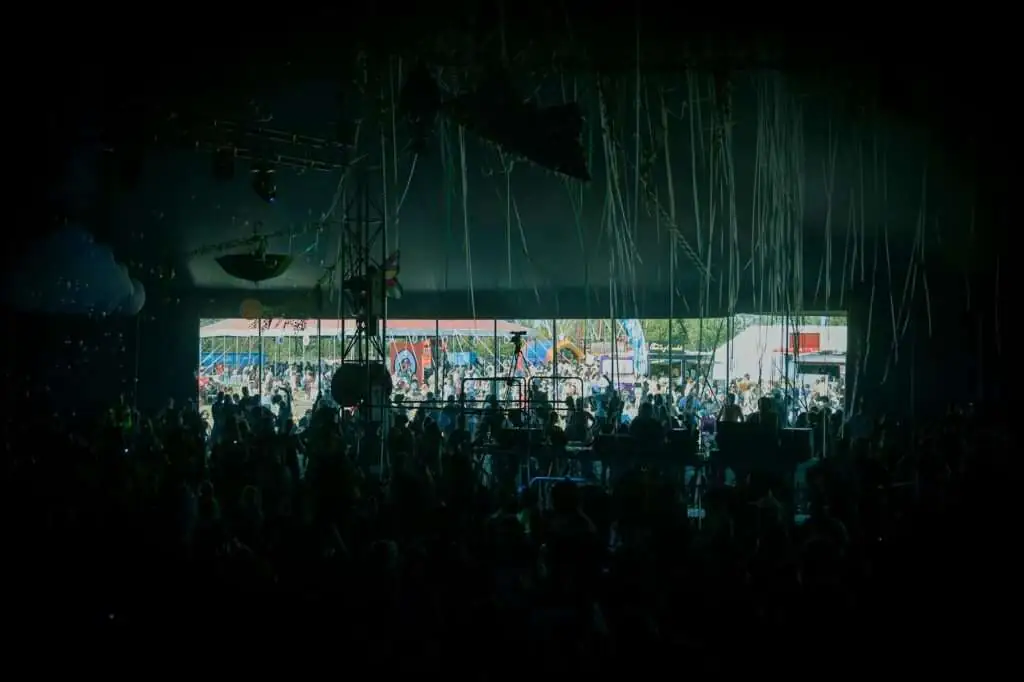
Featured photo by James Frid on Pexels.




No comments yet.