
Homer, Alaska 2026 — The Complete Guide to the End of the Road
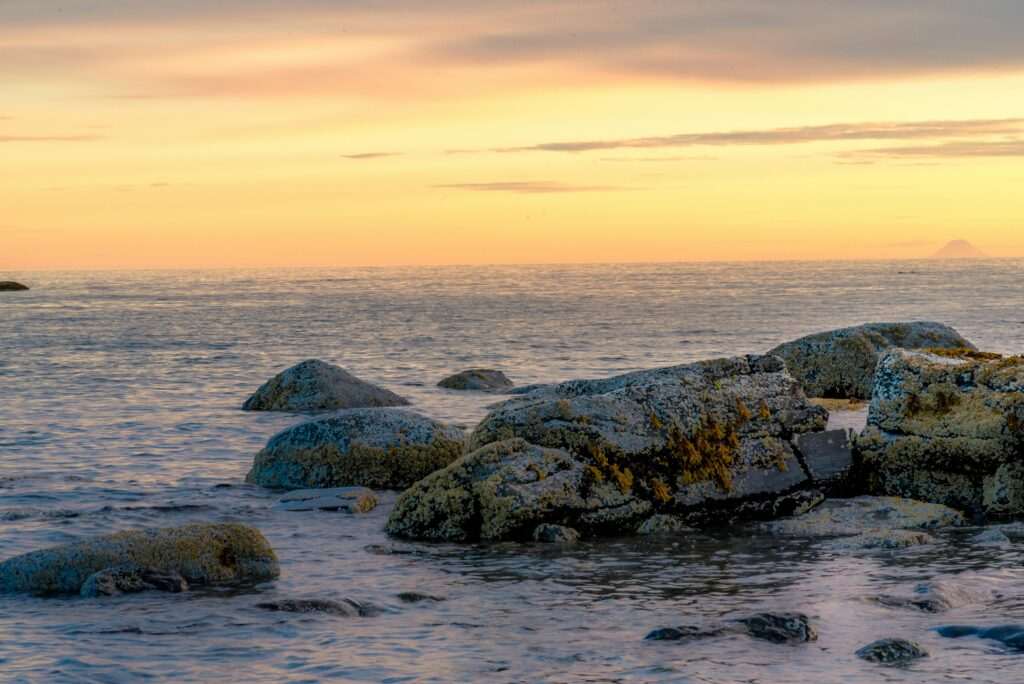
Homer sits at the end of the road in a way that feels literal and intentional. The Sterling Highway terminates here after 225 miles from Anchorage, at a point where the Kenai Peninsula narrows to a ridge above Kachemak Bay and a long gravel spit extends four and a half miles into the water. The town has earned its nickname — the Halibut Fishing Capital of the World — honestly, but it is more than a fishing port. Homer has an unusually dense arts and gallery culture for its population of 5,000, a coastline that faces one of the most scenically productive bays in Alaska, and an air of having decided deliberately not to become something it is not. This guide covers what to do, where to eat, where to stay, and how to plan a Homer visit from Anchorage or the Kenai Peninsula.
Getting There
The drive from Anchorage to Homer is 225 miles and takes approximately 4.5 hours under normal conditions — south on the Seward Highway to Tern Lake Junction, then west on the Sterling Highway through the Kenai National Wildlife Refuge, through Soldotna, and south along the Kenai Peninsula coast to Homer. The drive is worthwhile in itself: the Sterling Highway section passes Kenai Lake, the refuge’s boreal wetlands, and then traverses the bluffs above Cook Inlet with views of Mount Redoubt, Mount Iliamna, and the Alaska Range across the water in the final approach to Homer — one of the finest road approaches to any Alaska town. Traffic on summer weekends can add 30-45 minutes through the Soldotna corridor.
Ravn Alaska has historically operated seasonal flights between Anchorage and Homer; verify current schedules and operators directly, as small carrier availability in Alaska changes between seasons. The Homer Airport is a short drive from downtown. For visitors combining Homer with stops at Seward or on the Kenai Peninsula, the drive is the natural approach and allows flexible pacing through intermediate destinations.
The Homer Spit
The Homer Spit is the defining geographic feature of Homer — a 4.5-mile gravel bar extending into Kachemak Bay that hosts the small boat harbor, the bulk of the visitor-facing commercial activity, and some of the best bald eagle viewing in Alaska. Dozens of bald eagles use the Spit year-round, perching on boat masts, dock pilings, and the tops of structures with a casualness that surprises visitors accustomed to treating eagle sightings as rare events. On the Spit, they are furniture.
The harbor at the Spit’s end is where halibut charter boats load and depart in the early morning. The surrounding area has seafood shacks selling fresh catch, shops carrying fishing gear and Alaska-made goods, and the Salty Dawg Saloon — a historic log cabin structure that has operated since the 1930s and serves as a landmark for every Homer visitor. The walls inside are papered with dollar bills left by decades of fishers and travelers. Land’s End Resort at the tip of the Spit is the most dramatically situated lodging in Homer, with rooms overlooking the bay on both sides.
The Spit is walkable from the harbor end; the full length is a longer walk than most visitors expect. Bikes are available for rent from shops near the harbor. In summer, the Spit’s outdoor market and food vendors create a mild festival atmosphere on weekends.
Halibut Fishing
Homer’s primary claim as a visitor destination is its halibut fishery. Pacific halibut migrate into Kachemak Bay and the nearby Gulf of Alaska waters in summer, and Homer’s charter fleet targets them from May through September. Halibut caught from Homer charters routinely run 30-100 pounds; fish over 100 pounds are called “barn doors” by local guides and are caught with some regularity in these waters.
Charter options range from half-day trips (5-6 hours, shorter range, targeting fish in the Bay) to full-day trips (10-12 hours, reaching deeper Gulf water, better odds on larger fish). Full-day trips run approximately $275-375 per person depending on the operator and season; half-day rates are somewhat lower. Most charter companies run out of the Spit harbor and can be found along the dock. Booking in advance for July and August is essential — the charter fleet fills quickly during peak season.
Fish processing is available from facilities on and near the Spit. Several processors offer vacuum sealing and freezing of your catch, plus shipping to your home address in the lower 48. If you plan to bring fish home on the plane, confirm Alaska Airlines’ current rules for checked fish coolers, which allow frozen seafood as checked baggage under standard weight limits. Processing facilities can often arrange same-day or next-day processing after a morning charter, with pickup timed to your departure. Budget accordingly: a full-day charter, processing, and shipping for one person can run $400-600 total — significant, but representative of what it costs to return home from Homer with 20-40 pounds of vacuum-sealed halibut. Many visitors consider this the best souvenir Alaska produces.
Kachemak Bay State Park
Kachemak Bay State Park occupies the south shore of the bay directly across from Homer, accessible only by water taxi from the Spit — there is no road access. The park is one of Alaska’s most spectacular and least-visited state parks, covering 400,000 acres of glaciers, fjords, forests, and coast that face Homer across the water. Water taxis run regularly from the Spit harbor to the main landing areas across the bay; the crossing takes approximately 20-30 minutes and costs $30-50 per person round-trip.
The Grewingk Glacier Trail is the park’s signature hike — a 6.4-mile round-trip route to the face of Grewingk Glacier, one of the few drive-accessible (by water taxi) glaciers in Alaska with a trail that reaches the ice margin. The trail is well-maintained, gains moderate elevation, and finishes at the glacier’s terminal moraine with views of the ice face and the cirque above. Allow 4-5 hours round-trip.
Tide pools along the park’s rocky shoreline are exceptional: sea stars, anemones, chitons, hermit crabs, and sea urchins are visible at low tide without any specialist knowledge. The park provides excellent sea kayaking — the protected waters inside the bay allow paddling close to kelp beds where sea otters raft, and the glacial fjords accessible from the park’s interior are remote and spectacular. Guided kayak tours and rentals are available from operators on the Homer Spit; multi-day kayaking itineraries within the park are a specialized offering for experienced paddlers. Backcountry camping in the park requires no permit and follows Leave No Trace practices.
Arts and Culture
Homer’s arts culture is disproportionate to its size in a way that reflects the town’s history of attracting artists, writers, and independent-minded Alaskans. Pioneer Avenue through the center of town has a concentrated gallery district with work by Alaska painters, sculptors, and craftspeople. The quality and originality of the Homer gallery scene is genuine — several nationally recognized Alaska artists maintain studios here. The galleries are clustered close enough to walk between them in an afternoon, and the Pioneer Avenue corridor also hosts bookstores, independent clothing shops, and cafes that give the downtown a character distinct from most Alaska towns of comparable size. Homer has been described as the Berkeley of Alaska — it is a phrase locals use with varying degrees of irony, but it points at something real about the town’s politics, culture, and self-conception.
The Pratt Museum on Bartlett Street is Homer’s natural history and cultural museum, with exhibits on Kachemak Bay ecology, Alaska Native Sugpiaq culture, and the history of the Kenai Peninsula. It is small but thoughtfully curated and worth two hours. The Alaska Islands and Ocean Visitor Center, operated by NOAA and the U.S. Fish and Wildlife Service near the Sterling Highway junction in Homer, focuses on the Alaska Maritime National Wildlife Refuge — the chain of islands and coastal habitat extending west to the Aleutians that contains some of the largest seabird colonies in the world. The center has free admission, excellent exhibits on seabird biology and marine ecology, and knowledgeable staff.
Wildlife in and Around Homer
Bald eagles on the Spit have been mentioned; they deserve a separate note for scale. Homer consistently has one of the highest densities of bald eagles in North America during salmon season and maintains a significant year-round population. The combination of the harbor, the beach, and the fish-processing activity keeps eagles concentrated at accessible, close range. A morning walk along the Spit during July or August will produce more bald eagle observations than most birders accumulate in a year elsewhere.
Sea otters are resident in Kachemak Bay and visible from the Spit and the water taxi crossing. They raft in the kelp offshore, floating on their backs, and are a reliable wildlife sighting with binoculars from shore. Beluga whales occasionally enter the bay, though sightings are not predictable. Harbor seals and Steller sea lions use the harbor and bay throughout summer. The May shorebird festival draws birders from around the world to the tidal flats near Homer, where hundreds of thousands of western sandpiper stage during northbound migration — one of the largest shorebird concentrations accessible from any Alaska road.
For wildlife viewing closer to Anchorage on the Seward Highway, the Alaska Wildlife Conservation Center offers close-range access to bears, moose, muskox, and other large mammals — worth stopping on the drive south.
Eating in Homer
Homer’s restaurant scene reflects its dual character as fishing town and arts community. Fresh halibut and Dungeness crab are the anchors of every seafood-forward menu in town. For the most direct connection to the day’s catch, the seafood shacks on the Spit serve halibut fish and chips, crab legs, and chowder from windows facing the harbor. Fat Olives on Ohlson Lane is Homer’s consistently recommended sit-down restaurant — a bistro-style space with a menu that applies serious technique to local ingredients. The Cosmic Kitchen on Pioneer Avenue is the local breakfast and lunch institution. Two Sisters Bakery, also on Pioneer, is the morning coffee and pastry stop that every Homer regular knows.
Where to Stay
Land’s End Resort at the tip of the Spit is the prime lodging choice for visitors who want the full Spit experience — water on both sides, eagles on the dock pilings, charter boats loading at dawn outside the window. Rates run $200-350 per night in peak season. Homer Inn & Spa on the Spit has a smaller, more intimate character. Downtown Homer has a range of bed and breakfast properties; the ridge above town has vacation rentals with bay views. Camping is available at Ohlson Mountain above town and within Kachemak Bay State Park across the water.
Day Trip vs. Overnight
Homer is technically possible as a day trip from Anchorage — the 4.5-hour drive each way leaves roughly 4-5 hours in Homer if you push — but it is a poor use of the distance. The town rewards a minimum of two nights: one night allows a morning charter, the water taxi to Kachemak Bay State Park, a Spit evening, and Pioneer Avenue time without rushing. Three nights is better and allows a full day in the park plus exploration of the surrounding area including Anchor Point, Ninilchik, and the Kenai Peninsula coast on the return.
Guided day excursion operators such as Adventures by True North can arrange multi-stop Kenai Peninsula itineraries from Anchorage for visitors who prefer not to drive.
Best Time to Visit
June through August is the primary visitor season: halibut fishing peaks, the Spit’s outdoor market runs, and weather is at its most reliable. July is the busiest month. May is exceptional for birding — the shorebird festival typically falls in early May and the bay’s wildlife is active before the summer crowds arrive. September brings fall color, quieter streets, and continued halibut fishing into the early part of the month. Homer is accessible year-round but winter visits are quiet affairs oriented toward local life rather than visitor services. The Kenai Peninsula Fair at the Homer Fairgrounds runs in mid-August and draws the surrounding region’s agricultural and craft exhibitors — a worthwhile afternoon if your visit overlaps.
Homer is the town at the end of the road that makes you understand why someone would choose to live at the end of the road. The view across Kachemak Bay toward the glaciers doesn’t change your mind about anything — it just adds something to it.

No comments yet.