
Alaska Wildlife Conservation Center Day Trip from Anchorage 2026
Where You Can Watch Wolves, Bears, and Bison From 50 Miles Outside Anchorage
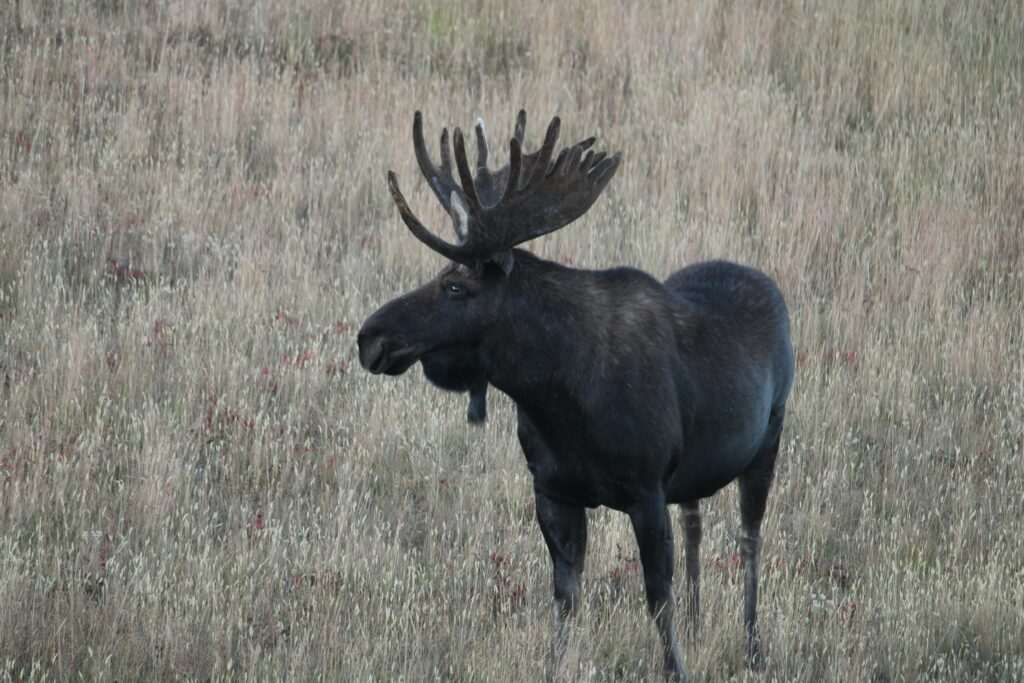
The Alaska Wildlife Conservation Center doesn’t hide its animals behind thick glass or keep them in small enclosures. The AWCC occupies 200 acres of Portage Valley between the Chugach Mountains and Kenai Peninsula, and the animals — bison, bears, moose, caribou, wolves, wolverines, musk ox — have room to move. You watch them from a paved drive-through loop, on foot from viewing platforms, or up close at designated walk-through areas. It’s not a zoo in the traditional sense. It’s closer to driving through habitat that happens to have animals in it.
It’s also one of the most practical wildlife experiences you can have near Anchorage. No boat, no guide, no remote bush flight required. You drive the Seward Highway for 50 miles, turn off at Portage, and you’re there.
Getting There: The Drive Is Half the Experience
The AWCC sits at Mile 79 of the Seward Highway, about 50 miles south of downtown Anchorage. The drive takes approximately 60 minutes, and it runs along Turnagain Arm — one of the most scenic road corridors in the state.
A few things worth watching for on the way down:
- Beluga whales: The Cook Inlet beluga whale viewing spots along Turnagain Arm are accessible from highway pullouts. The stretch between Anchorage and Portage is one of the most reliable beluga sighting zones in the world. White shapes in dark water on incoming tides are worth pulling over for.
- Bore tides: Turnagain Arm has one of the world’s largest bore tides. Beluga Point (Mile 110) and McHugh Creek (Mile 112) are prime viewing spots. Check tide tables before you leave if you want to catch it.
- Dall sheep: The cliff faces above the highway between Anchorage and Girdwood frequently have visible sheep on the ledges. Binoculars help.
The AWCC entrance is on the left side of the highway just before the Portage Valley junction. There’s a large parking area, and the entrance is clearly marked.
The Animals: What You’ll See
The AWCC holds Alaska’s five native ungulates plus several predator species, most of which were rescued as orphans or injured animals that couldn’t survive in the wild.
Wood bison are the visual anchor of the conservation center — North America’s largest land animal, and a species that was functionally extinct in Alaska until the AWCC began its recovery program. The herd is visible from the drive-through road and their size alone is worth the trip.
Bears — both black bears and brown bears — are kept in large habitat enclosures with viewing platforms. Morning visits tend to produce the most activity; mid-afternoon the bears are often resting in shade. The brown bear enclosures at the AWCC let you watch behavior that you’d never safely observe in the wild.
Moose, caribou, and Sitka black-tailed deer move through open paddocks that parallel the drive road. Moose calves in late spring are a draw in their own right. Musk ox occupy a separate paddock — prehistoric-looking animals with dense underwool that’s shed each spring.
Wolves and wolverines are the most behaviorally interesting animals at the center for many visitors. Wolverines in particular are rarely observed in the wild; watching them at the AWCC gives you a real sense of their intensity — constantly moving, constantly territorial.
Bald eagles and other raptors are held in flight enclosures near the entrance. The center takes in injured raptors and rehabilitates them when possible; some permanent residents are birds that couldn’t be released.
Admission and Hours (2026)
Current admission runs approximately $25–$30 per adult (18+), $20–$25 for seniors and military, and $15–$20 for youth ages 3–17. Children under 3 are typically free. Prices are subject to change — confirm current rates on the AWCC website before your visit.
Summer hours (May–September): Open daily, approximately 9 AM to 6 PM. Early morning and early evening visits often yield the most animal activity — cooler temperatures bring animals into the open. Peak visitor hours are roughly 11 AM to 3 PM on sunny summer weekends.
You can visit by car (drive-through loop) or on foot (walking path that follows the same route). The walk takes 1.5–2 hours at a relaxed pace. Driving lets you stop, back up, and spend more time at specific enclosures without walking the full distance.
Photography Tips
The AWCC is one of the best wildlife photography locations in Alaska precisely because the animals aren’t moving through dense brush at 40 mph. A few things that make a difference:
- Morning light (before 10 AM) is ideal — animals are active and the Chugach mountain backdrop behind the valley is often clear
- A medium telephoto (100–400mm equivalent) covers most enclosure distances; wider glass works for the bison road section
- The bear enclosures have viewing platforms at different heights — try to visit each angle rather than just the first one you reach
- The wolverine viewing area has glass panels that require patience — clean your lens and wait; they move constantly
Combining AWCC with a Portage Glacier Visit
The AWCC sits right at the junction for Portage Valley, and Portage Glacier Tours is 5 miles down the road. A morning at the conservation center followed by an afternoon glacier cruise is one of the best single-day Alaska combinations available from Anchorage — two genuinely different experiences with minimal driving between them. Budget 3 hours for AWCC and another 2–3 for the glacier, and you’re back in Anchorage by early evening.
For visitors who’d prefer a guided day that handles the logistics of the Portage corridor, Chugach Adventures organizes day trips from Anchorage that can be tailored to combine multiple Portage Valley stops.
What animals can you see at the Alaska Wildlife Conservation Center?
The AWCC holds wood bison, brown bears, black bears, moose, caribou, Sitka black-tailed deer, musk ox, wolves, wolverines, bald eagles, and other raptors. Most animals were rescued as orphans or injured wildlife. The wood bison herd is part of a species recovery program — wood bison were functionally extinct in Alaska before the AWCC’s breeding program began reintroduction efforts.
How much does the Alaska Wildlife Conservation Center cost in 2026?
Admission runs approximately $25–$30 for adults, $20–$25 for seniors and military, and $15–$20 for youth ages 3–17. Children under 3 are typically free. Confirm current rates on the AWCC website before your visit, as prices adjust seasonally.
How far is the Alaska Wildlife Conservation Center from Anchorage?
The AWCC is approximately 50 miles south of downtown Anchorage at Mile 79 of the Seward Highway — about a 60-minute drive along Turnagain Arm. The route is scenic and worth taking slowly, especially if you’re watching for beluga whales and bore tides along the way.
Can you combine a visit to the AWCC with Portage Glacier?
Yes — the AWCC is right at the Portage Valley junction, and Portage Glacier is 5 miles down that road. Morning at the conservation center plus an afternoon Portage Glacier boat cruise is a natural pairing. Plan roughly 3 hours for the AWCC and 2–3 hours for the glacier cruise, and you’ll be back in Anchorage by early evening.
Get Out to Portage on a Clear Day
The AWCC is at its best when the valley is clear and the mountains are out — which happens more often than the Anchorage weather reputation suggests in summer. Pick a sunny morning, leave by 8 AM to beat the crowds, and give yourself the full morning. The animals are more active, the light is better, and the drive down is the kind of thing you’ll want to repeat before you leave Alaska.
Featured photo by Tim Kirkland on Pexels.
No comments yet.