
Alaska Wildlife Conservation Center 2026 — Animals, Admission & Tips
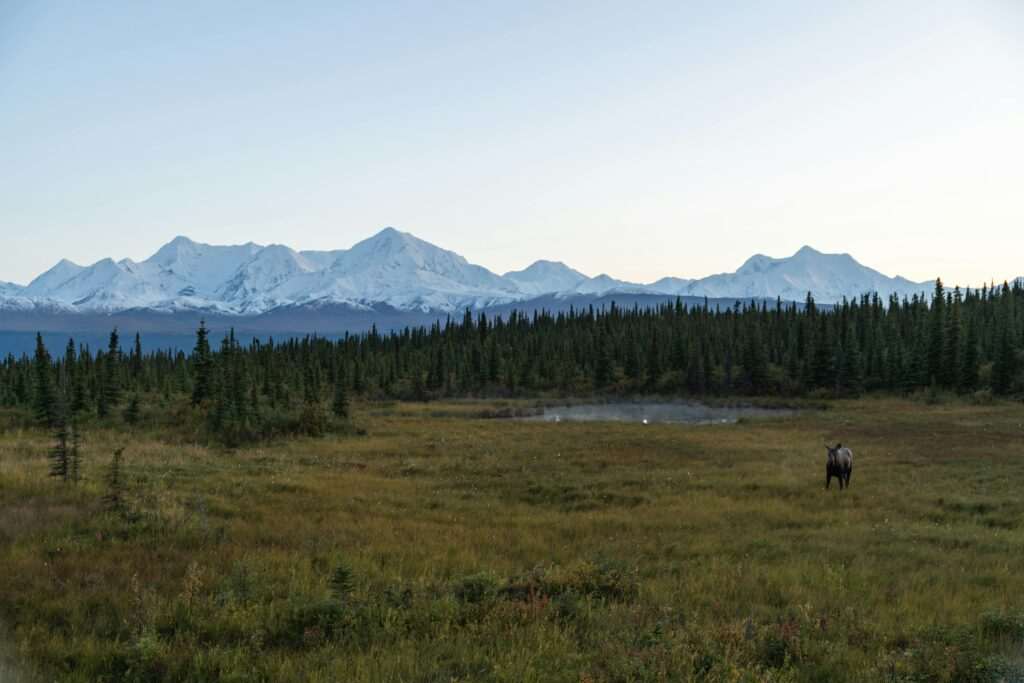
Where Alaska’s Wildlife Comes Closest
The Alaska Wildlife Conservation Center sits at Mile 79 of the Seward Highway in Portage Valley, about 45 minutes south of Anchorage. It’s a nonprofit rescue and rehabilitation facility, not a zoo — every animal here arrived because it couldn’t survive in the wild, whether due to injury, orphaning, or human habituation. What visitors get in return is something genuinely rare: close, unhurried access to Alaska’s most iconic wildlife along a one-mile walking path through large natural enclosures in a valley surrounded by peaks.
The Animals
The AWCC roster reads like a field guide to the Alaska interior. Brown bears and black bears occupy separate large enclosures — summer mornings bring the most activity. Moose, often the largest animals most visitors have ever seen up close, graze near the path with enough proximity to photograph well. Caribou, elk, musk ox, and Sitka black-tailed deer represent the broader Alaska ungulate community. Wolves, lynx, porcupines, and bald eagles round out the collection, the latter in flight cages that allow close observation of birds that typically stay well out of reach in the wild.
The standout species at the AWCC is the wood bison — the largest land animal in North America and a subject of one of Alaska’s most ambitious conservation stories. The center has led a program to restore wood bison to Alaska after the species was absent from the state for over a century. AWCC-raised animals have been released to the wild in the Innoko River region of Interior Alaska, and the herd at the center represents ongoing conservation work that few facilities in North America can match.
Visiting: What to Expect
The main route is a one-mile self-guided walking path that loops past each enclosure. The path is paved and accessible for strollers and wheelchairs throughout. Allow 1.5 to 2 hours for a relaxed visit — longer if you want to wait for bears or wolves to move to closer viewing positions. Morning visits reward early risers with more animal activity before midday warmth pushes residents into shaded areas. A gift shop and picnic area are available on-site.
Photo opportunities here consistently exceed what visitors expect. The enclosures are large and naturalistic, and the proximity — particularly with moose and bison — produces the kind of shots that usually require backcountry days. Bring a longer lens if you have one, but even a phone camera produces strong results at most enclosures.
Admission and Hours
The AWCC is open year-round, with summer hours typically running 8 a.m. to 8 p.m. Hours shorten in fall and winter — check the AWCC website before visiting. 2025/2026 admission rates: approximately $24.95 for adults, $19.95 for seniors, $14.95 for children ages 3–12, and free for children under 3. Prices are subject to change; verify current rates on the AWCC website.
Pairing the Visit with Portage Valley
The AWCC sits inside Chugach National Forest at the head of Turnagain Arm. Portage Glacier is just a few miles further down the same road, making a natural two-stop day: AWCC in the morning for wildlife, Portage Glacier in the afternoon for the ice. The Chugach Mountains wildlife corridor surrounding the valley adds to the scenic setting — beluga whales are frequently visible in Turnagain Arm on the drive south from Anchorage.
Getting There
From Anchorage, take the Seward Highway south approximately 45 minutes. The AWCC is at Mile 79 — look for the turnoff on the right just before the Portage Valley exit. Parking is included in admission. The drive itself is part of the experience: the highway runs along the west shore of Turnagain Arm, where beluga whales are sometimes visible from roadside pullouts and Dall sheep occasionally appear on the cliffs above. Check tide tables if whale-watching is a priority — belugas follow the tide.
What to Bring
- Camera with a longer focal length: While phone cameras perform well at most enclosures, a 200mm or longer lens gives you usable shots of wolves and lynx, which tend to stay further back from the viewing fence.
- Rain gear: Portage Valley generates its own weather. The AWCC is outdoors for most of its walking path — a waterproof layer keeps the visit comfortable even in light rain.
- Water and snacks: The on-site cafe has limited options, particularly for dietary restrictions. Bringing your own food means more time at the enclosures and less waiting.
- Comfortable walking shoes: The paved path is flat and accessible, but you’ll cover the mile slowly if you spend time at each enclosure, which you should.
Best Time to Visit
Summer (June through August) offers the longest hours, the most animal activity, and the most dramatic Portage Valley scenery. Morning visits — arriving by 9 a.m. — consistently produce more active bear and wolf behavior before heat pushes animals into shade. Fall brings stunning colors to the valley walls and lighter crowds; the AWCC remains open year-round with reduced hours. Winter visits are quieter but can be rewarding for seeing musk ox and bison active in cold conditions — animals that are adapted to it in ways that bears decidedly are not.
Frequently Asked Questions
What animals can you see at the Alaska Wildlife Conservation Center?
The AWCC houses brown bears, black bears, moose, wood bison, caribou, elk, musk ox, Sitka black-tailed deer, wolves, lynx, porcupines, and bald eagles. Wood bison — the largest land animal in North America — are the centerpiece of an active program to restore the species to Alaska’s wild.
How much does the Alaska Wildlife Conservation Center cost in 2026?
Approximate 2025/2026 admission: adults $24.95, seniors $19.95, children ages 3–12 $14.95, children under 3 free. Prices are subject to change — verify current rates on the AWCC website before your visit.
How far is the Alaska Wildlife Conservation Center from Anchorage?
The AWCC is at Mile 79 of the Seward Highway in Portage Valley, approximately 45 minutes south of downtown Anchorage. It pairs well with a Portage Glacier visit on the same day trip.
Is the Alaska Wildlife Conservation Center good for young children?
Yes. The one-mile walking path is paved and fully accessible for strollers and wheelchairs. Children under 3 enter free, and the close proximity to moose, bison, and bears makes it one of the most engaging family wildlife experiences in Southcentral Alaska.


No comments yet.