
Alaska Summer Family Activities Guide 2026
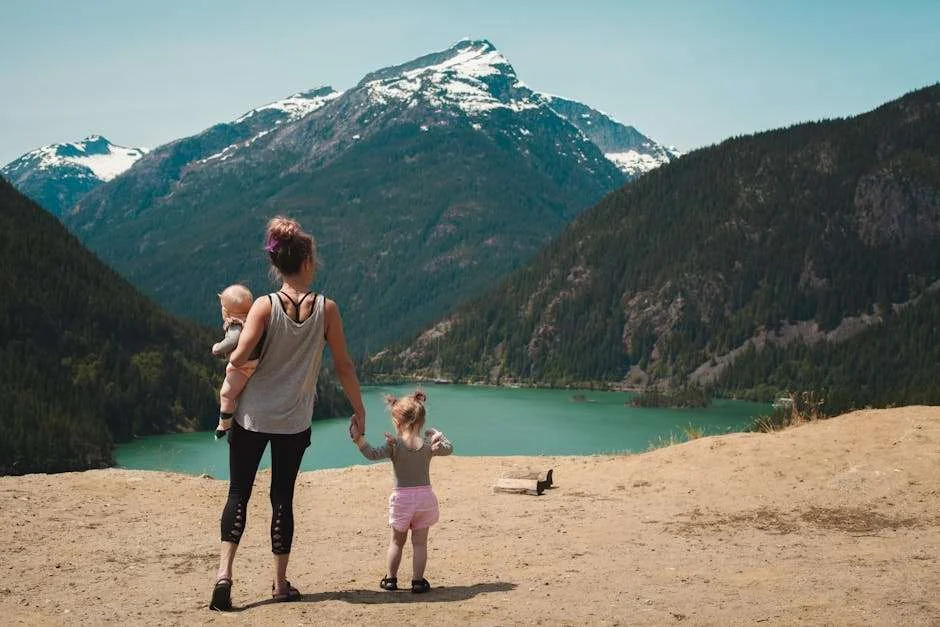
Alaska is one of the few places on Earth where a single summer trip can include watching bears fish for salmon, hiking toward a glacier, spotting moose from a downtown trail, and sitting under a midnight sun that refuses to set. For families, that combination is unbeatable. Alaska summer family activities run the full spectrum from hands-on science museums to wilderness float trips — and most of the best ones are accessible from Anchorage without a bush plane. This guide covers what to do, where to go, how to keep it age-appropriate, and what families need to know before they arrive.
Why Summer Is the Best Time to Visit Alaska with Kids
Alaska’s summer window — roughly late May through early August — lines everything up at once. Daylight is nearly continuous in June, meaning family hikes that start at 7 p.m. are perfectly lit. Wildlife is at peak activity: bears are visible, salmon are running, moose calves are following their mothers, and migrating birds crowd every wetland. Temperatures in Anchorage average 60–70°F, making outdoor exploration comfortable even for young children. The infrastructure is at full capacity: ferry routes operate, seasonal lodges are open, and ranger programs run daily at national parks.
Anchorage: The Family Base Camp
Most Alaska family trips start and end in Anchorage, and the city itself has enough to fill several days. It is also the safest launching point for day trips in almost every direction.
Anchorage Museum
The Anchorage Museum is the single best rainy-day option in the state for families. The Imaginarium Discovery Center inside the museum is a full hands-on science floor aimed at children — with a planetarium, life-size animal models, Alaska ecology exhibits, and interactive displays on climate and Arctic science. The museum’s main galleries cover Alaska history, Indigenous art, and Arctic exploration at a level that engages curious elementary-age children without losing adults. Budget two to three hours; the museum café is solid for lunch.
Ship Creek Salmon Viewing and Urban Fishing
Few experiences are as unexpectedly memorable for kids as watching king salmon surge upstream through downtown Anchorage. Ship Creek runs right below the train depot and supports a genuine urban fishery from June through August. Families can watch from the viewing platform without gear, or rent rods from nearby vendors and fish alongside locals. For young children who have never seen a wild salmon, this is often the highlight of the entire trip — the fish are large, powerful, and close enough to photograph with a phone.
Tony Knowles Coastal Trail
This paved, flat 11-mile trail along Cook Inlet is stroller-accessible and biker-friendly. Beluga whales appear in the inlet in June and July following salmon runs. Moose are frequently seen in the alder thickets alongside the trail. The trailhead at Elderberry Park (downtown, free parking) puts families within a 15-minute walk of Westchester Lagoon, which has nesting geese and ducks that captivate toddlers. The entire trail is low-commitment — you can go out and turn back whenever energy runs low.
Day Trips from Anchorage
Alaska Wildlife Conservation Center (Portage Valley)
The Alaska Wildlife Conservation Center, located about 50 miles south on the Seward Highway, is the most reliable place in Alaska to see large wildlife at close range with young children. Drive-through enclosures house brown bears, black bears, wood bison, musk ox, moose, caribou, lynx, and wolverine — all in natural settings large enough to feel wild. For families with young children who cannot safely observe bears at close range in the backcountry, AWCC delivers that experience without risk. The on-site café and gift shop are well-organized for families. Plan on 90 minutes to two hours.
Portage Glacier and Begich Boggs Visitor Center
The Portage Valley, an hour south of Anchorage, is one of the most accessible glacier experiences in the country. The Portage Glacier boat tour crosses Portage Lake to the glacier face — an experience that tends to produce genuine awe in children of all ages. The Begich Boggs Visitor Center (operated by the US Forest Service, free entry) has excellent interpretive exhibits on glacial geology aimed at school-age children. In summer, the valley also hosts guided ice walks on Byron Glacier, accessible via a 1-mile trail from the road.
Chugach State Park — Hiking for All Ages
The Chugach Mountains begin where Anchorage ends, and the trail network ranges from paved, flat nature walks to serious alpine ridges. For families with young children: the Thunderbird Falls Trail (1.7 miles round-trip, mostly flat) and the Winner Creek Trail near Girdwood are manageable for ages 4 and up. For families with older children and teens who want elevation and views: the Flattop Mountain trail (3.4 miles, 1,350 feet elevation gain) is the most climbed peak in Alaska and offers a genuine summit experience achievable in an afternoon. Watch for black bears on all trails and carry bear spray.
Further Afield: Denali and the Kenai Peninsula
Denali National Park
Denali is a long day’s drive (about 4 hours) or a scenic train ride north of Anchorage. Private vehicles are restricted beyond the first 15 miles of the park road, so families must take a park bus — a feature, not a limitation. The bus system means wildlife viewing happens at the pace of animal behavior rather than road speed. Grizzly bears, Dall sheep, caribou, and wolves are all regularly seen from the park road. The visitor center at the park entrance has ranger-led programs daily in summer; the Junior Ranger program is well-designed for ages 5 through 12. Budget at least two days: one for travel and one full day in the park.
Kenai Peninsula — Wildlife and Fishing
The Kenai Peninsula, two to three hours south of Anchorage on the Seward Highway, is where Alaska’s outdoor reputation is fully earned. Seward is the base for Kenai Fjords National Park boat tours, which are the best family introduction to marine wildlife: humpback whales, orca, sea otters, Steller sea lions, and massive seabird colonies on the same trip. Homer, at the end of the Sterling Highway, is a world-class halibut fishing destination with family-oriented charter operations running through late August. The wildlife refuge wetlands around Soldotna and Kenai host moose, beavers, and sandhill cranes viewable from roadside pullouts.
Age-Appropriate Activity Planning
Alaska’s most iconic experiences span a wide range of physical demands. Here is a rough guide by age group:
- Ages 2–5: Anchorage Museum Imaginarium, Ship Creek salmon viewing (observation deck), Tony Knowles Coastal Trail (stroller or bike trailer), Alaska Wildlife Conservation Center drive-through, Portage Valley Visitor Center.
- Ages 6–10: All of the above plus: Thunderbird Falls hike, beginner fishing at Ship Creek or Campbell Creek, Denali Junior Ranger program, smaller-vessel wildlife cruises (half-day rather than full-day).
- Ages 11–teen: Flattop Mountain summit hike, multi-day kayaking on the Kenai Peninsula, glacier hikes at Byron or Matanuska, full-day Kenai Fjords boat tours, salmon fishing charters, whitewater rafting on the Nenana River (near Denali).
Safety Considerations for Families
Alaska’s wilderness is genuinely wild, and a few precautions matter more here than in most vacation destinations:
- Bear spray is non-negotiable on any trail. Carry it holstered and accessible, not buried in a pack. Practice drawing it before you need it. This applies to children old enough to understand and use it.
- Dress in layers regardless of the forecast. Alaska summer weather can shift from 65°F and sunny to 45°F and raining in under an hour, especially at elevation or on the water.
- Sun protection matters even on cloudy days. At Alaska’s latitude, UV exposure is significant, especially near glaciers and on the water where it reflects off surfaces.
- Wildlife distances are rules, not suggestions. Stay 300 feet from bears, 75 feet from moose, 100 yards from wolves. Moose with calves are among the most dangerous animals in Alaska.
- Water in streams is cold enough to cause cold shock. Children near glacial streams and rivers should wear life jackets for any water activity.
Budget Tips and Logistics
Alaska is not a budget destination, but family costs can be managed. The Anchorage Museum offers free admission on the first Friday of each month. Most Chugach State Park trails are free to hike. Ship Creek fishing requires a fishing license for adults but children under 16 fish free in Alaska. The Portage Valley Visitor Center is free; only the boat tour to the glacier adds cost. Bring a packed lunch for any full-day trip — meals in resort towns like Seward and Talkeetna are expensive and slow during peak season.
Rental cars are essential for anything beyond downtown Anchorage. Book early — rental inventory sells out in June and July. The Alaska Railroad connects Anchorage to Seward and Denali without a car and is an enjoyable experience for children in itself.
Plan Your Alaska Family Trip
The best Alaska family vacations combine a city base (Anchorage), two or three day trips in different directions, and one overnight beyond the road system — whether Kenai Fjords, Denali, or a guided glacier camp. The scale of the landscape, the density of wildlife, and the unending summer light create the kind of travel memories children carry into adulthood. Start with the anchors: the museum, the wildlife center, Ship Creek, and one glacier. Build out from there based on the ages and interests of your group.


No comments yet.